
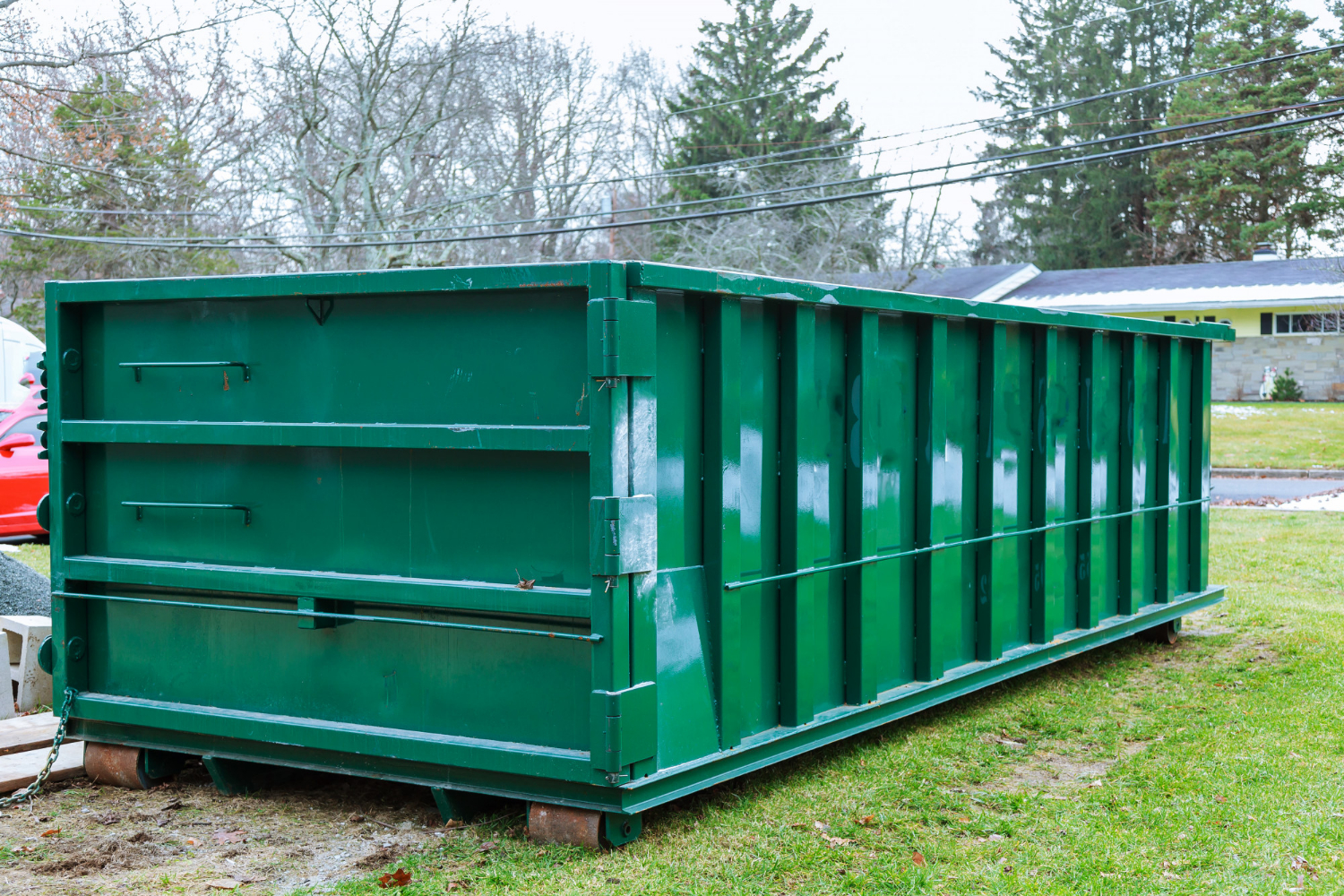
When you rent a roll-off dumpster, the goal is simple: load it, get your space cleaned up, and have it hauled away on time. Overloading that dumpster can quietly wreck those plans. It can mean extra charges, safety problems, and delays just when you want the project finished.
In this article, we will explain what actually counts as overloading, what happens when a driver shows up to an unsafe container, and how smart loading can keep your cleanup or construction work moving smoothly. We will also touch on how winter in Northeastern Illinois, with snow and ice, makes it easier to overload a dumpster without even noticing.
Overloading a roll-off dumpster means you have gone past what the container is designed to handle. That can look like trash stacked higher than the top rail, heavy materials that push the dumpster over its weight limit, or large items sticking out the sides or back. Many homeowners and contractors do not realize they are doing it until pickup day.
When a dumpster is overloaded, you can run into real problems:
In February around North Chicago and across Northeastern Illinois, snow, slush, and ice can hide how full or how heavy a load really is. Winter cleanouts, storm damage, and frozen debris make it easy to misjudge both volume and weight, especially when material is wet or covered in snow.
There are two main ways a roll-off dumpster ends up overloaded.
First, there is volume overloading. This is when:
Second, there is weight overloading. Even if the trash sits level with the top, the dumpster can still be too heavy for the truck or the legal road limit. That happens a lot with dense materials like roofing tear-off, dirt, or concrete.
Drivers look for clear signs when they arrive:
In winter, certain materials get heavy very fast. Wet shingles, frozen soil, ice-covered junk, and soaked demolition debris can push a dumpster past its weight allowance even when it looks fine from the outside. Adding snow from shoveling or plowing only makes that worse.
Overfilling affects more than pickup. It also hits your wallet and your jobsite.
On the cost side, you may see:
There are also safety hazards. Material stacked too high can fall while the driver is loading the dumpster onto the truck or while they are driving through your neighborhood. Sharp or heavy items can slide out and damage your driveway, sidewalks, or nearby property. Overloaded dumpsters put drivers, neighbors, and people walking by at risk.
In Northeastern Illinois, there are road weight rules and local regulations that haulers must follow. If a dumpster goes over legal weight, it can lead to citations, traffic issues, and insurance problems if an accident happens. Keeping the container within limits protects everyone involved.
When the driver arrives and sees an overloaded roll-off dumpster, they have to make a safety decision. If it cannot be hauled as is, they may:
Any of these options can throw off your project. An extra day or two with a full dumpster can mean:
Winter adds another wrinkle. Shorter daylight hours and snowstorms already reduce the safe working window. If pickup has to be pushed because a dumpster is overloaded, it can be harder to get back on schedule when crews are trying to work around cold, ice, and limited light.
The good news is that a little planning while you load can prevent most overloading problems.
Start with how you place items:
To manage weight, try to:
Communication is also important. Before your project starts, talk with your roll-off dumpster rental provider about:
If you are planning a garage cleanout, kitchen remodel, roofing job, or commercial project, getting the right size and type of dumpster from the start makes loading easier and safer.
Choosing a dumpster that is too small is one of the fastest ways to end up overloaded. When the container fills up early, it is tempting to stack things higher or squeeze in just a little more instead of arranging for another haul.
Different projects create different kinds of debris:
Each type affects total weight in a different way. A large dumpster full of light household items may stay under the limit, while a smaller one packed with heavy roofing shingles can go overweight quickly. Being clear about what you are throwing away helps your local provider recommend a size that fits both the volume and the weight of your project.
When you describe your plans and materials in detail, a team like ours at EcoBox Dumpsters in North Chicago can guide you toward a safer, more efficient roll-off dumpster rental. That way, you are less likely to overload, you avoid surprises at pickup, and your cleanup or build stays on track.
If you are ready to clean up your space and keep your job site running smoothly, we are here to help. Reserve the right size roll-off dumpster rental and let EcoBox Dumpsters handle the hauling on your schedule. Our team can answer questions, walk you through your options, and provide clear pricing before you commit. Have specific timing or special requests in mind? Just contact us and we will help you plan the best solution.