Top Strategies to Protect Your Driveway During Your Dumpster Rental in North Chicago
Top Strategies to Protect Your Driveway During Your Dumpster Rental in North Chicago
By Linda Ceja, EcoBox Dumpsters
When renting a dumpster, it’s crucial to protect your driveway from potential damage, particularly in communities like North Chicago, where different driveway types face unique vulnerabilities. This article provides key strategies to ensure your driveway remains intact during rental periods. You’ll learn how different driveway surfaces react to heavy loads and what materials can provide effective protection. In addition, practical tips for proper placement and planning will be covered, as well as crucial safety guidelines. By following these strategies, you can prevent damage and minimize repair costs while ensuring a hassle-free dumpster rental experience.
Driveway Surface Types and Vulnerabilities
Driveways come in various materials, each with specific strengths and weaknesses when subjected to the weight of a dumpster. Common driveway surfaces include asphalt, concrete, gravel, and pavers. Asphalt driveways can become rutted under heavy loads, leading to cracks and long-term damage. Concrete, while generally more durable, can also crack if subjected to excessive weight without support. Gravel driveways can easily become displaced during a dumpster placement, while paver driveways may shift or become uneven.
Understanding these vulnerabilities is essential for homeowners in North Chicago looking to maintain the integrity of their driveways during dumpster rentals. It is also helpful to recognize the impact of weather conditions on the driveway’s condition, which will be discussed further in the next section.
Local Climate Factors
The local climate in North Chicago significantly affects driveway durability, especially during winter months. Freeze-thaw cycles can weaken asphalt and concrete, making them more prone to damage when a heavy dumpster is placed on them. Seasonal impacts, like snow and ice, can also alter driveway surfaces and exacerbate existing vulnerabilities.
Timing your dumpster rental during milder weather may minimize risks of damage significantly. For example, renting a dumpster during the dry summer months may help ensure that both the driveway and the rental unit operate in optimal conditions. Thus, understanding local climate factors is crucial for effective driveway protection strategies.
Recommended Protective Materials
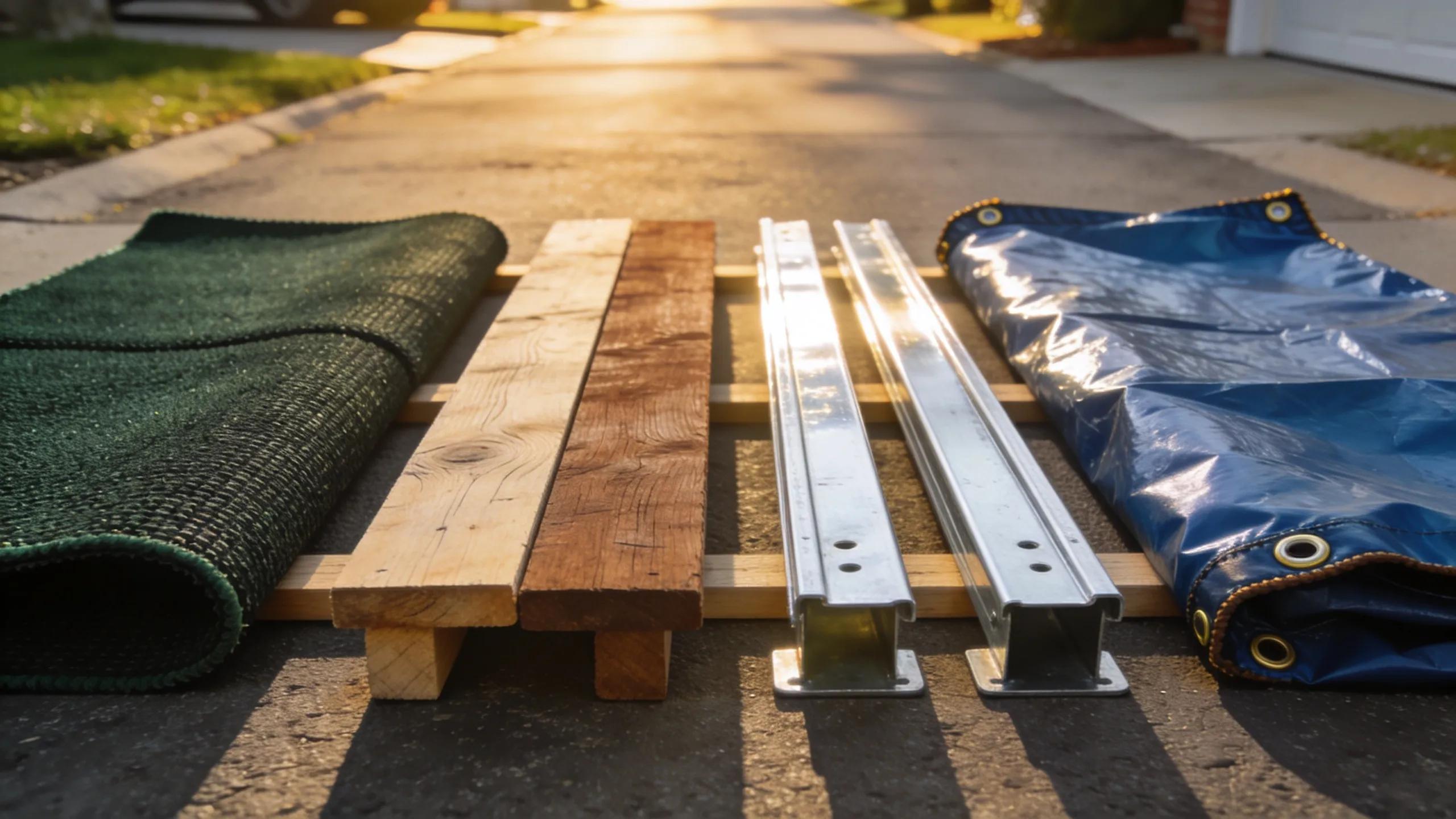
When it comes to safeguarding your driveway during a dumpster rental, several materials can effectively protect various surface types. This includes:
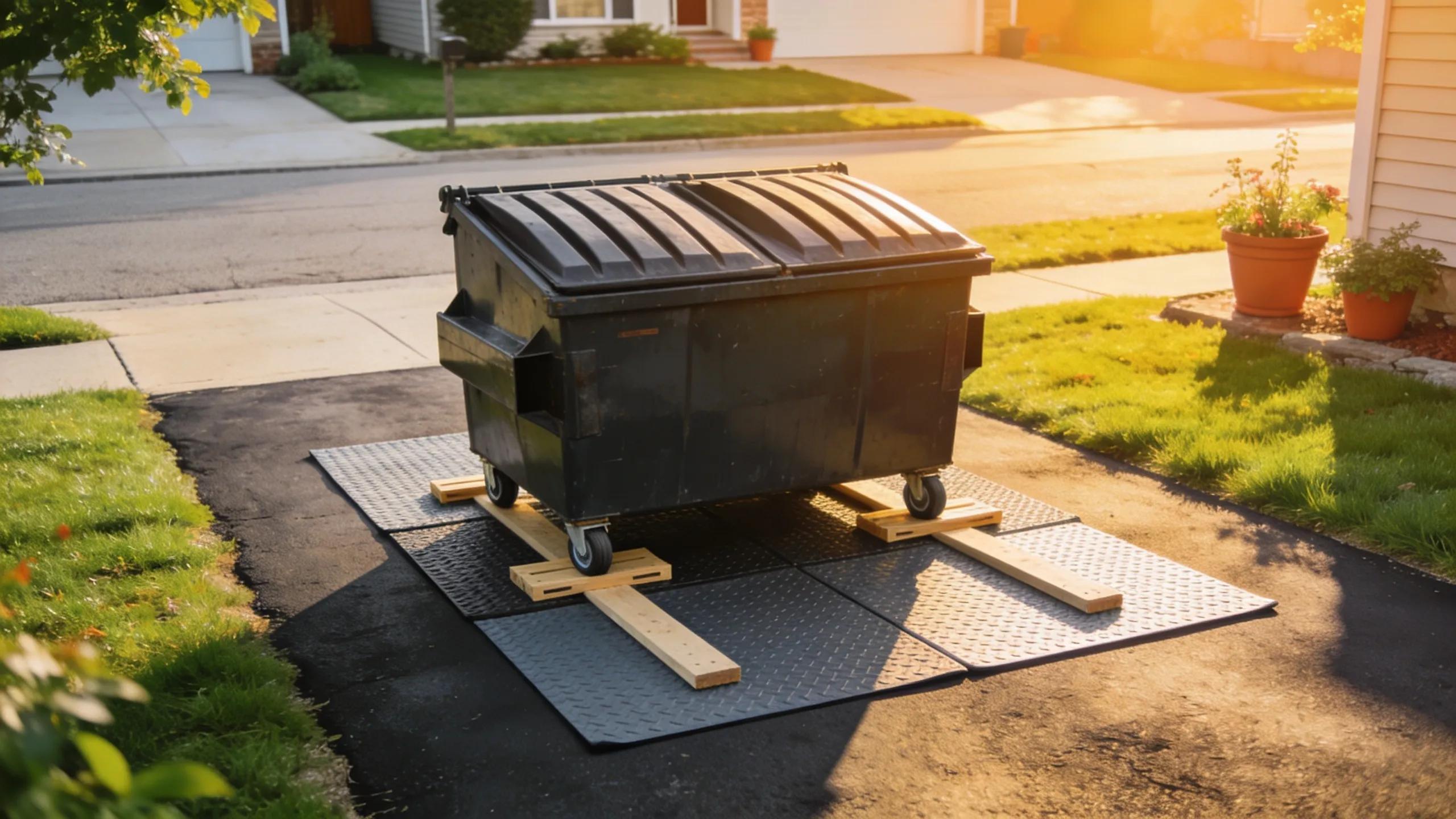
- Driveway Mats: These heavy-duty mats can distribute weight across a larger area, preventing damage to asphalt and concrete surfaces.
- Support Boards: Placing wooden or metal boards beneath the dumpster can help reduce pressure on the driveway and minimize the risk of cracking or ruts.
- Heavyweight Tarps: Covering the driveway with tarps can provide a barrier against dumpster wheels, which can help in preventing surface damage.
Protective Material Comparison
| Material | Use Case | Benefit |
|---|---|---|
| Driveway Mats | Place under dumpsters | Distributes weight to prevent damage |
| Support Boards | Used as a base for dumpsters | Reduces pressure exerted on the driveway |
| Heavyweight Tarps | Covering the driveway | Protects surface from debris and weight |
Utilizing these protective materials can ensure that your driveway withstands the weight and movement of dumpsters without incurring damage.
Tips for Placement
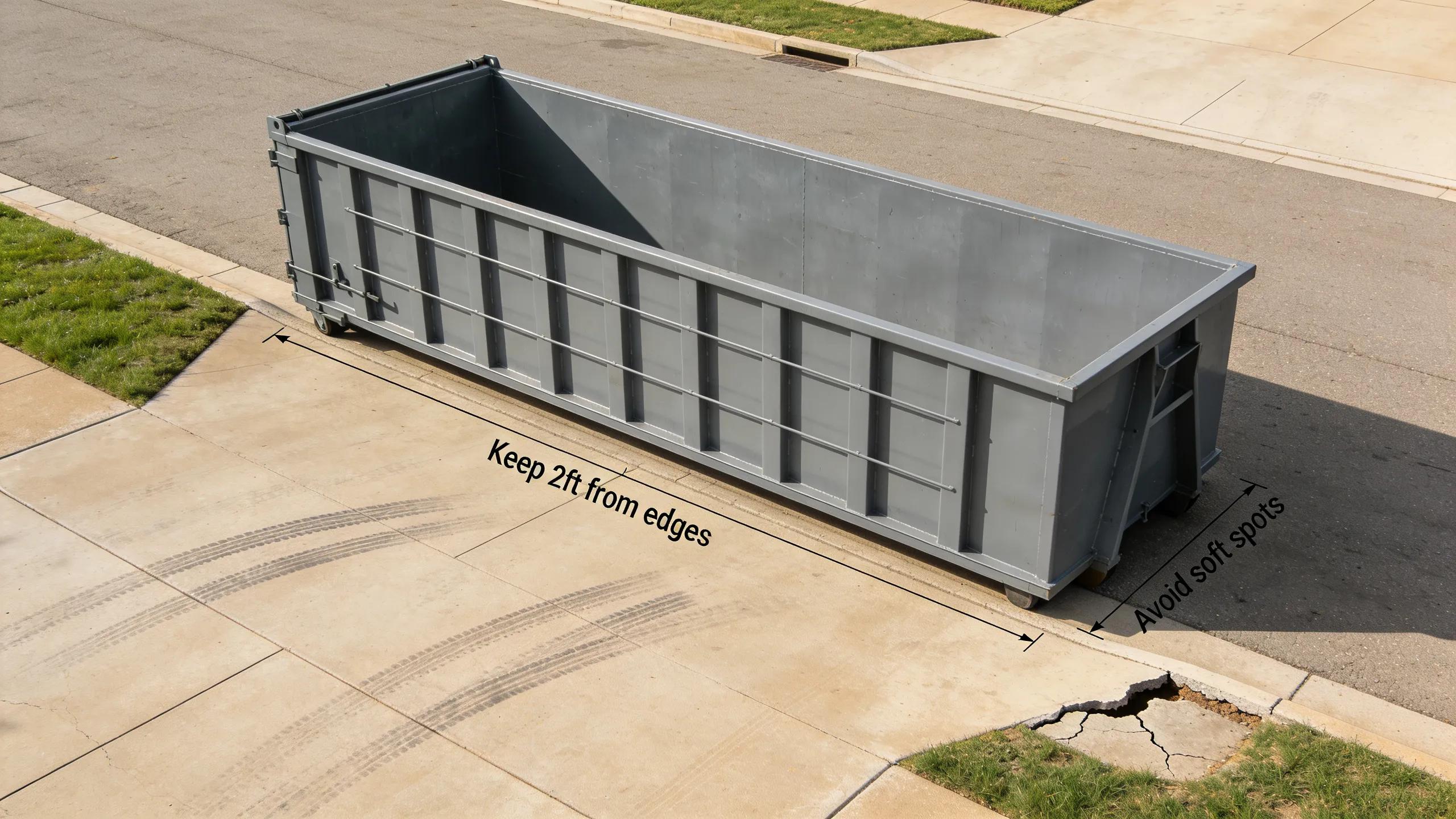
Proper placement of your dumpster is key to preventing driveway damage. Here are several tips to consider:
- Choose a Stable Area: Place the dumpster on a level and stable part of the driveway to avoid shifting and movement.
- Avoid Soft Spots: Check your driveway for soft spots, especially after rainstorms. Moving it slightly can prevent sinking or crushing.
- Distance from Edges: Position the dumpster away from the edges of the driveway where it is weaker. This prevents cracking and ensures stability.
These strategic placement tips can reduce risks substantially and help prolong the life of your driveway.
Communication and Planning
Effective communication with your dumpster rental provider is vital for ensuring a successful experience while protecting your driveway. Make sure to share information about your driveway’s condition and any areas that may be sensitive to weight. Confirm specific placement details and express any concerns regarding potential damage upfront.
Plan your dumpster needs in advance, allowing for a seamless coordination effort that includes checking the weather and scheduling your rental at a time when conditions are favorable for your driveway’s safety. Clear communication can save you from unexpected damage and expensive repairs.
Safety Guidelines and Damage Prevention Tips
Follow these safety guidelines to minimize the risk of driveway damage and ensure a safe dumpster rental experience:
- Inspect the Dumpster: Ensure the rental dumpster is inspected for leaks or other issues that may affect your driveway.
- Communicate with the Delivery Team: Let the team know about any sensitive areas on the driveway that need to be avoided.
- Consider Local Regulations: Be aware of any local regulations regarding dumpster placement and obtain necessary permits if required.
By adhering to these guidelines, you can protect your driveway while making the most out of your dumpster rental in North Chicago. Implementing safety measures not only safeguards your property but also ensures compliance with local standards and enhances the efficiency of your rental process.