
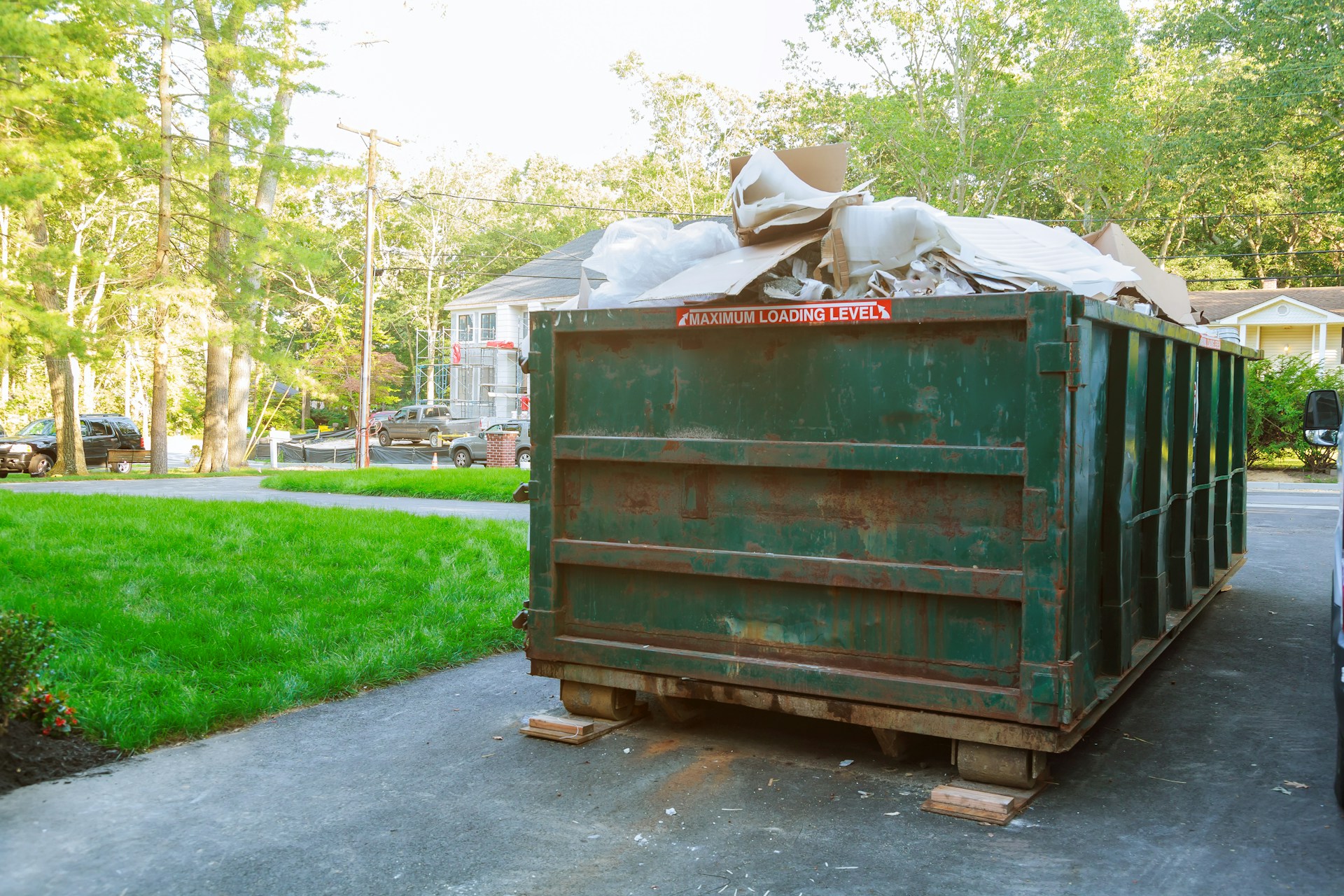
Debris removal can feel like a side task, but for small Illinois contractors, it is a real profit issue. When trash piles up, crews waste time walking around it, trips to the dump eat labor hours, and last-minute delays can push projects off schedule. Messy jobsites also lead to safety risks and more callbacks from unhappy clients.
Around North Chicago and nearby suburbs, space and rules make this even tougher. Narrow alleys, tight driveways, changing weather, and stricter disposal rules all affect how you handle waste. A smart contractor dumpster rental plan turns cleanup into a system that supports faster turnarounds, cleaner jobs, and better reviews from homeowners and property managers.
Contractors in Northeastern Illinois run into many of the same waste problems on every job.
Space and access are a big one. In places like North Chicago, Waukegan, and Gurnee, you often deal with:
On many projects, you are also working alongside other trades. That means you must coordinate where the container goes so it does not block deliveries, garage access, or neighbor parking.
Mixed debris is another constant issue. Small jobs usually create a mix of:
When everything gets tossed into one messy pile, it is harder to recycle and easier to run into disposal problems. Hazardous or restricted items sneaking into general debris can trigger extra fees or rejected loads at the disposal site.
Then there is the weather. Early spring thaw turns open piles into soggy, heavy material that is harder to move and can add weight to your load. Wind and rain scatter light debris like plastic, wrap, and foam, which can annoy neighbors and draw complaints. After a slower winter, spring schedules are tight, so any delay from poor debris planning can ripple through your whole calendar.
Picking the right container and timing your contractor dumpster rental is one of the easiest ways to stay in control.
For size, most small contractors in our area think in terms of project type:
You are probably undersizing if you see:
You might be oversizing if the container leaves it half empty on a regular basis. A good dumpster partner can talk through square footage and material types and help estimate what you really need.
Scheduling also matters. In our Illinois climate, it helps to:
Protecting driveways and jobsite surfaces should be part of the plan too. Driveway-safe roll-off containers, paired with wood boards and smart placement, lower the risk of surface marks. Clear crew instructions about loading, weight concentration, and not dragging heavy items across the drive can avoid damage claims and keep homeowners happy. Talking through access and placement with your provider before that first delivery prevents a lot of headaches.
You work hard for your profit, so you want your debris plan to support it, not eat into it.
To avoid overweight and overfill issues:
To cut down on extra hauls and long rental windows, build a simple debris plan into your project startup:
It also helps to understand how your dumpster pricing is structured. Common pieces include:
Different cities may require permits for street placement, which affects your plan and schedule. Working with a Northeastern Illinois provider that knows local landfill and transfer station rules can help you budget and avoid surprises.
More homeowners and commercial clients care about what happens to their debris. Simple eco-conscious steps can set you apart without slowing your crew.
On small jobs, you can improve recycling by:
A dumpster company that brings loads to recycling-friendly facilities when possible can support these efforts and help keep useful material out of landfills.
You also need a plan for restricted or special materials, such as:
These items usually do not belong in a standard roll-off. Knowing local options for household hazardous waste and special disposal keeps you in line with rules and avoids fines or rejected loads.
When you handle debris in a cleaner way, talk about it. Clients like hearing that you sort materials, follow local guidelines, and work with an eco-conscious dumpster provider. You can highlight this in your proposals, job photos, and even simple jobsite notes. It shows you respect their property and their community.
A clear debris plan, the right contractor dumpster rental setup, and thoughtful disposal practices can shorten your timelines, reduce surprise costs, and keep clients happier. Instead of treating trash as an afterthought, you turn it into a repeatable workflow that supports every job you take.
At EcoBox Dumpsters, we focus on driveway-safe, eco-conscious roll-off containers for contractors across Northeastern Illinois. When you standardize your debris process and pair it with a local partner that understands tight lots, changing weather, and stricter rules, debris removal becomes one of the easiest parts of your project, not the problem you deal with at the end.
Keep your job site running smoothly with dependable dumpster solutions from EcoBox Dumpsters. Explore our contractor dumpster rental options to find the right size and schedule for your project. If you have questions about capacity, pricing, or timing, contact us and we will help you set up the best plan for your crew.