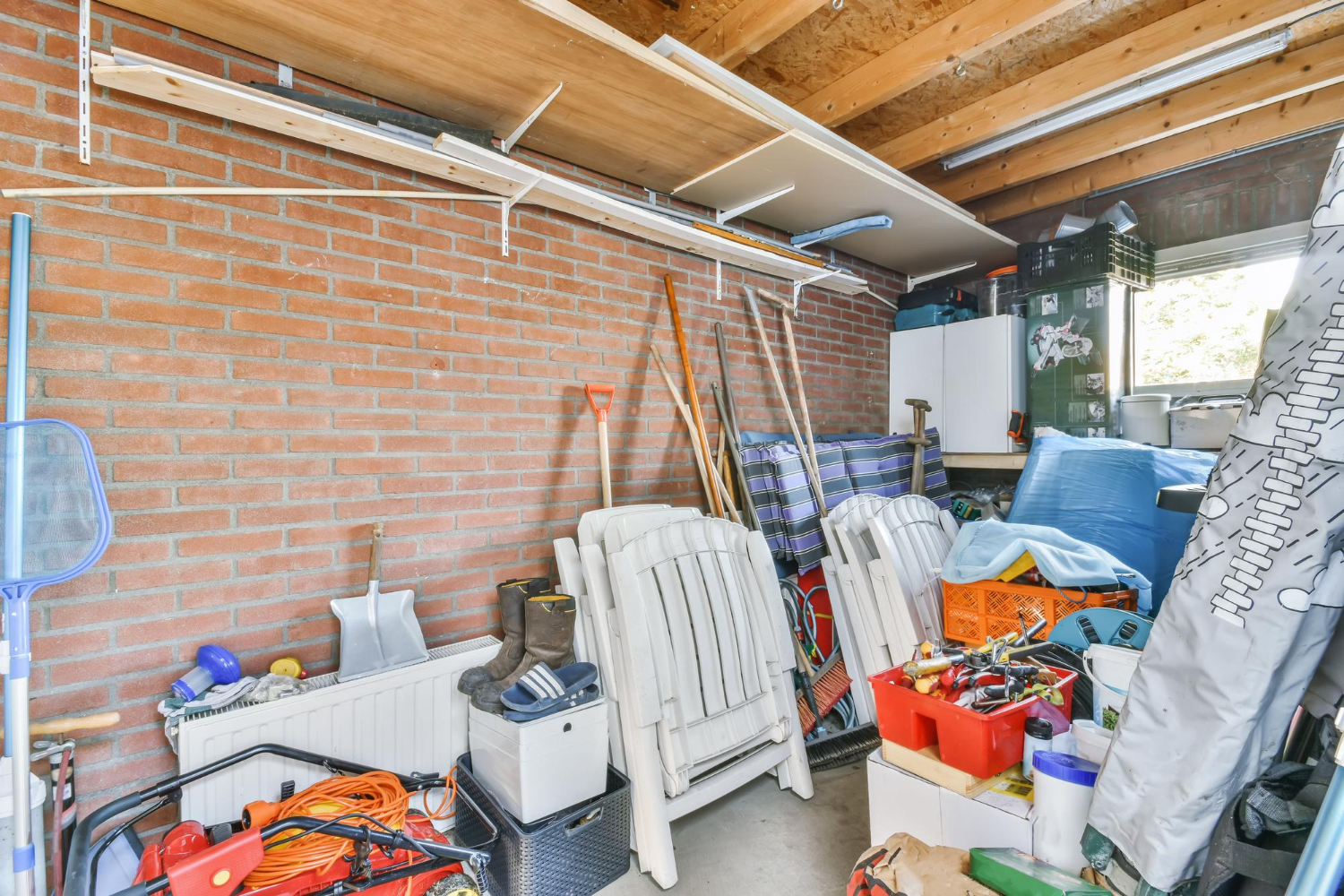
Planning a whole-home cleanout can feel heavy. Every room holds years of stuff, memories, and decisions you have to make. Whether you are getting ready for a move, downsizing, handling an estate, or preparing a home for sale, the sheer volume of things can slow you down fast.
Having a residential dumpster rental on-site turns that big project into a series of simple steps. Instead of piling bags in the garage or driving back and forth to the dump, you drop everything in one central container and keep the house open and safe while you work. The project feels more organized, and it is much easier to stick to a clear timeline.
We are based in North Chicago, and we focus on compact, driveway-safe dumpsters and eco-friendly disposal across Northeastern Illinois. Late winter is a great time to plan your cleanout. Schedules are often quieter, the holidays are over, and you can get a jump on spring cleaning before warm-weather plans and moving season pick up.
Not every project needs a dumpster, but a lot of bigger cleanouts run smoother when you have one sitting right outside. A residential dumpster rental tends to work best for:
Some people try to rely only on curbside pickup or a one-time junk hauler. Those options can help for smaller piles, but they come with limits. With curbside service, you are stuck with set pickup days and volume rules. With a one-time pickup, everything must be sorted and ready at once.
A dumpster on-site gives you:
To judge your project size, walk through the property and make a quick list:
Also think about the types of items you have. Everyday clutter like clothes and small decor can add up, but bulky pieces like old furniture, mattresses, carpeting, appliances, or remodeling debris fill space much faster.
A few simple rules can help you decide:
Residential dumpsters come in several sizes, and it helps to think in practical terms rather than just yard numbers. For example, a smaller container often holds roughly a few pickup truck loads of debris. Mid-sized dumpsters usually handle the contents of several average rooms, and larger ones can take on full-house cleanouts with basements, garages, and some remodeling materials.
As a simple guide:
In tight North Chicago driveways and alleys, compact containers are especially helpful. They fit where larger commercial dumpsters simply cannot, which keeps the walk from each room to the dumpster short and safe.
Placement matters too. When possible, a driveway spot is usually best. Place the container:
Driveway-safe containers and boards can help protect surfaces. If your only option is the street or an alley, you may need a local permit, and placement rules can vary by town in Northeastern Illinois. Narrow city lots, parked cars, and winter snow piles can all affect where a dumpster can safely sit, so planning ahead is key.
A whole-home cleanout feels easier when you break it into clear chunks. Start with a simple checklist or rough floor plan. Write down every space:
Then set a logical order. Many people like to start with low-traffic storage spaces such as the attic, basement, or garage. Clearing those first builds momentum and frees up staging space for items you plan to donate or sell. After that, move into bedrooms and living areas. Leave the kitchen and bathrooms for last so daily life can stay as normal as possible while you work.
In every room, stick to a simple system: keep, donate, recycle, and dispose. Use the dumpster for true trash and non-recyclable items only, then set up separate spots or boxes for:
To keep from burning out, set small goals. For example, aim to finish one room per day or a certain number of boxes each weekend. Work in 60 to 90 minute blocks with short breaks, which can feel manageable during shorter winter days. If others live in the home, assign tasks so one person is not doing all the lifting, sorting, and decision-making alone.
How you load the dumpster makes a big difference. Start with the heaviest and bulkiest items first. Place things like broken furniture, old shelves, boxes of books, and appliances on the bottom and toward the back. Then fill in gaps with lighter items and bagged debris on top.
This approach helps you:
Safety should stay in focus the whole time. Basic steps include:
In winter, clear snow and ice from the path between the house and the container. A little salt or sand can help prevent slips, especially on sloped driveways or alleys. If you are using an open-top container and a storm rolls through, a tarp can help keep lighter materials from blowing around.
Some items should never go into a residential dumpster. That often includes things like paints, oils, certain electronics, tires, and hazardous chemicals. Keeping those separate allows for proper special handling. When you separate recyclables and donations from true trash, an eco-focused hauler can send suitable items into the right recycling streams and keep more material out of the landfill.
Once you have a rough plan for your cleanout, it is time to look at timing. Residential dumpster rental usually involves:
If your container will sit in a driveway, permits are often simple or not needed, depending on the town. If it needs to go on a street or public right-of-way, many Northeastern Illinois communities require a permit and may limit how long it can stay. Working with a local company that knows area rules can save you from last-minute surprises.
Eco-friendly disposal is another important part of the process. When you partner with a hauler that focuses on greener practices, more of your material can be:
That means you do not have to drive to different facilities or guess where each item should go. Everything leaves your property in one load and is processed through the most responsible channels available, so your whole-home cleanout clears space in your life without creating unnecessary waste elsewhere.
If you are ready to clear out clutter or prep for a remodel, we can help you choose the right residential dumpster rentalfor your timeline and budget. At EcoBox Dumpsters, we handle delivery, pickup, and disposal so you can stay focused on your home project. Tell us what you are working on and we will recommend the best size and schedule for your needs. Have questions about pricing or availability? Just contact usand we will walk you through the next steps.