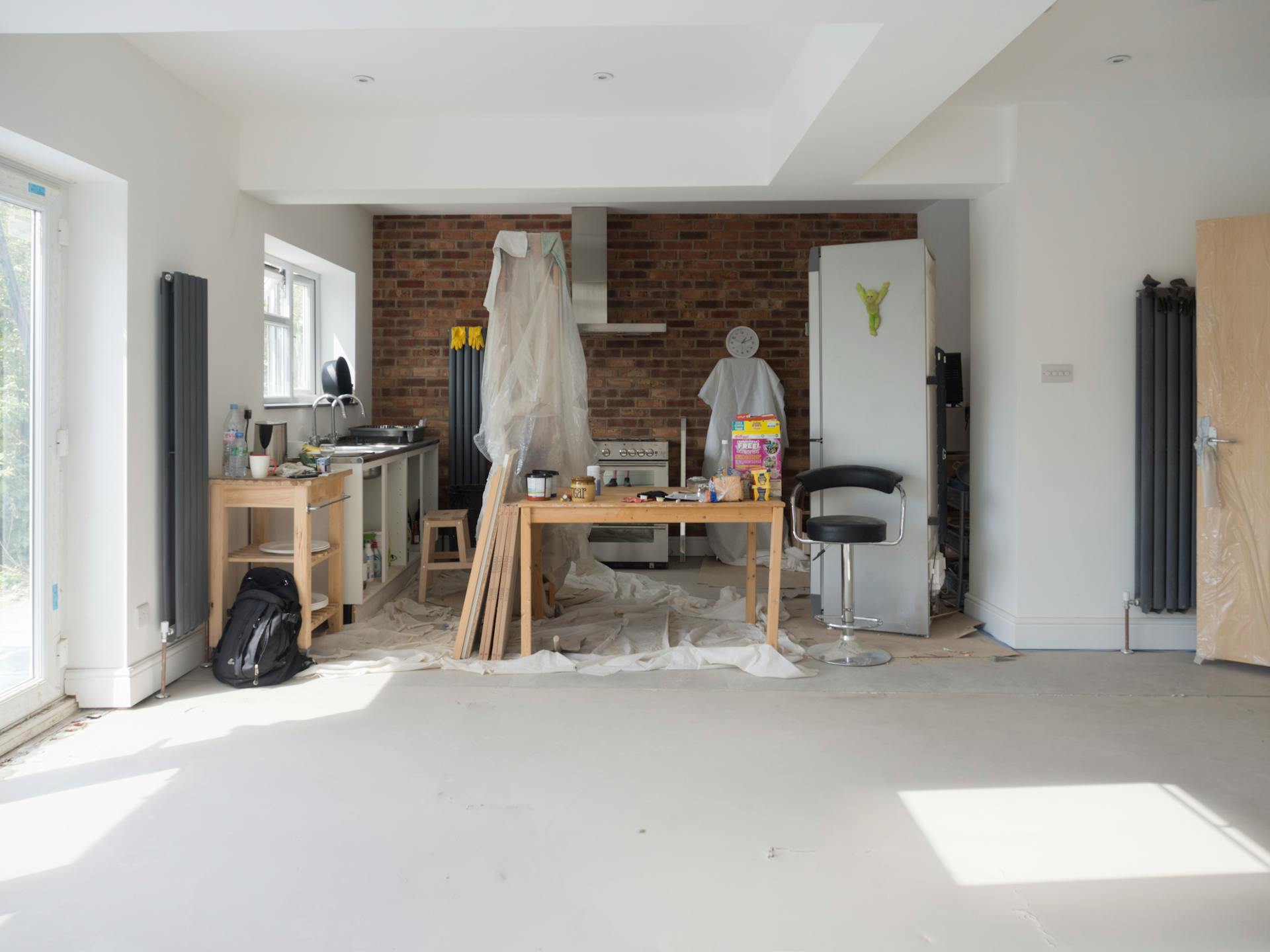
Remodeling your kitchen creates a lot of waste, from old cabinets to broken tile. If you do not plan for waste removal, that pile of debris can quickly take over your driveway or garage and slow the whole project down. A simple plan for how you will handle trash, recycling, and heavy materials can keep things moving, keep your home safer, and make the process less stressful.
We work with homeowners across North Chicago and Northeastern Illinois, and we see the same pattern again and again. The remodel is planned down to the cabinet color, but the debris plan is an afterthought. When you think through waste removal early, your project stays cleaner and more organized from the first swing of the hammer to the final cleanup.
Kitchen remodeling creates more debris than many people expect. You are not just dealing with a few bags of trash. You may have:
All of this can crowd your driveway, make it hard to work, and turn into a safety hazard. Planning waste removal from the start keeps debris moving out as fast as it comes out of the kitchen. That helps your crew stay on schedule and keeps your family from tripping over piles of broken materials.
If you are planning an early spring project, timing matters. In mid-March around North Chicago, the ground may be soft from thawing, and there can still be leftover snow or ice. That affects where a roll-off container can sit, how trucks can access your property, and how safe it is to carry heavy debris across your driveway or yard.
Before demolition day, take a slow walk through your kitchen and list what will actually come out. Common waste from a kitchen remodel includes:
Some items need extra thought before you throw them out. These may include:
Not every material can go into a standard dumpster, so it helps to know what you have. When you estimate the type and amount of debris ahead of time, you can choose the right waste removal setup and avoid overfilling a container or paying for more space than you need.
A simple checklist can help. Break it out by phase, such as:
That way, you are not surprised by how much debris appears as each step of the remodel kicks off.
Different kitchen projects create different levels of debris. Picking the right dumpster size is less about guessing and more about matching the container to your scope of work.
For example:
Driveway-safe roll-off containers are a smart choice at your home. They are designed to protect surfaces like asphalt, concrete, or pavers from scratches, gouges, or stains while the container is being set down or picked up. That matters when you have a finished driveway you want to protect.
Think about placement before delivery. Good placement should:
In early spring around North Chicago, watch for remaining snow piles, standing water, or muddy patches. Roll-off containers should sit on stable, solid ground to stay level and safe. A clear, dry section of driveway is usually best, especially when freeze-thaw cycles can create soft spots along the edges.
A well-placed, well-sized dumpster does more than hold debris. It helps keep your job site safer. When debris goes straight into a container instead of piling up inside the house or along the driveway, you are less likely to have:
Loading style matters too. A few simple habits can save space and prevent injuries:
Many kitchen materials do not have to go straight to a landfill. Metals, some appliances, clean cardboard from new cabinets and fixtures, and certain other items can often be recycled or diverted. Eco-conscious dumpster providers work to route waste in a more responsible way whenever possible.
Using one roll-off container instead of many trips with a pickup or SUV also saves time and fuel. That means less driving back and forth, fewer heavy loads in your own vehicle, and one less thing to worry about while you are living through a remodel.
Timing your waste removal to your project is just as important as the size of the container. You will want the dumpster on-site when demolition starts so debris can go out right away. For many kitchen projects, the biggest waste phases are:
Plan your delivery before that first big demo day and schedule pickup after the major debris is out. Build in a little wiggle room for delays caused by weather, change orders, or surprises hiding inside walls.
Also think about how a dumpster shares space with everything else. On a busy day you might have:
Laying out where the dumpster, materials, and vehicles will go ahead of time keeps your driveway from turning into a traffic jam.
If your property in North Chicago or another Northeastern Illinois community cannot fit a container on the driveway, it may need to go on the street. In that case, many towns require a permit or have specific rules. Check with your local municipality before delivery day so there are no surprises.
A smooth kitchen remodel is not just about tile choices and cabinet styles. It is also about how quickly and safely you can move old materials out of your home. Walking through your project phase by phase and listing the debris from each step will give you a clear picture of your waste removal needs.
At EcoBox Dumpsters, we focus on driveway-safe, eco-conscious roll-off containers for homes across North Chicago and Northeastern Illinois. When you plan early and match the right container to your remodel, you get a safer job site, fewer trips to the dump, and a much cleaner path from messy teardown to cooking in your new kitchen.
Whether you are clearing out a garage, renovating a room, or tackling a full property cleanout, we make it simple to keep your project on schedule. Explore our waste removaloptions to find the right size dumpster and straightforward pricing for your needs. At EcoBox Dumpsters, we handle delivery, pickup, and disposal so you can focus on the work that matters. If you have questions or need help choosing a container, just contact usand we will walk you through the next steps.