
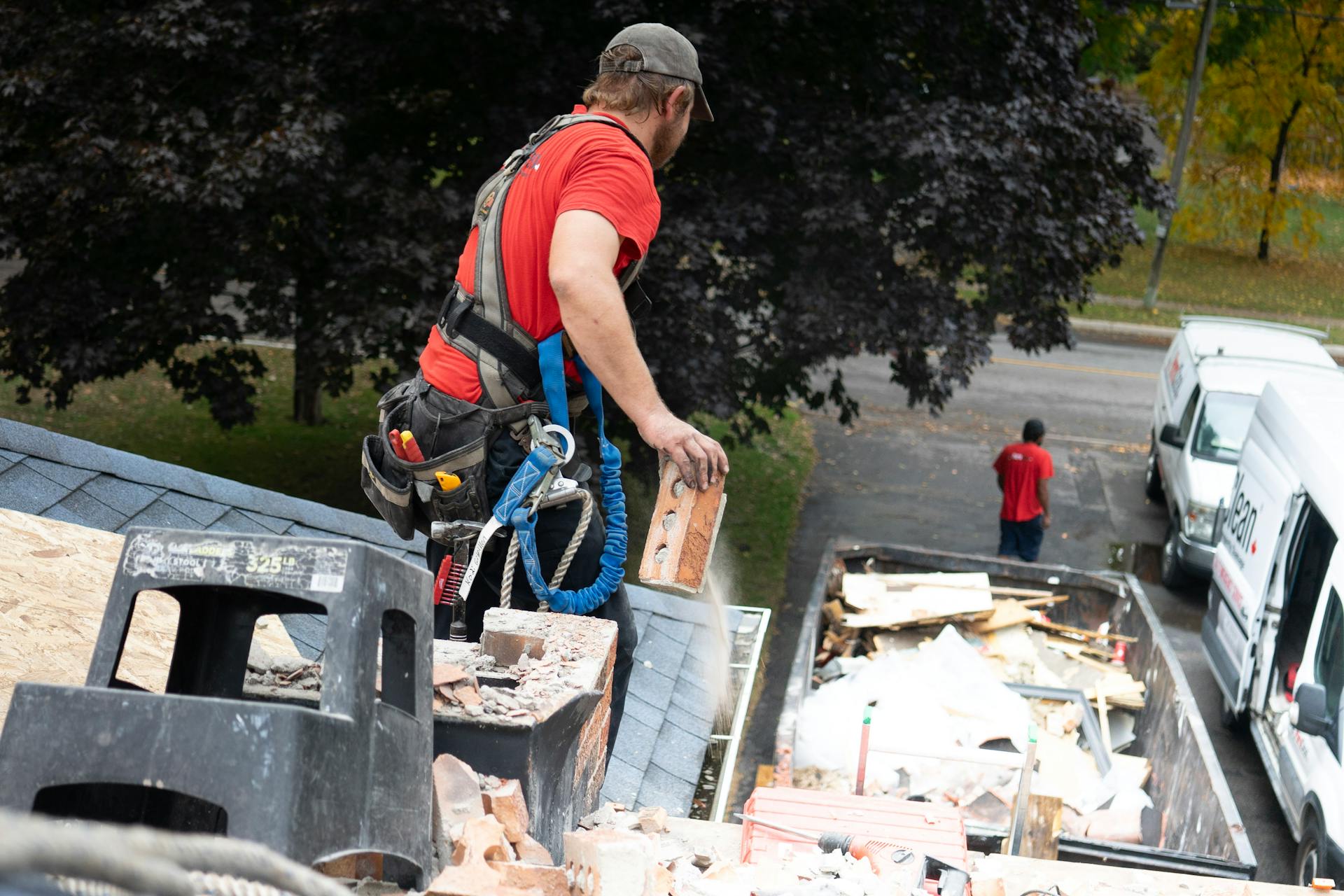
Renovation feels great until the mess starts to pile up. Drywall, broken cabinets, ripped-out flooring, and old appliances can take over a driveway fast. Planning your waste removal before demolition helps keep the project moving and keeps your home or job site safe.
Tossing everything into one dumpster might seem like the fast answer, but it can cause problems. Hazardous waste, appliances, and certain building materials are handled differently under local rules. If they end up mixed into a general debris load, you can face delays, extra fees, or even rejected loads at the landfill.
This guide walks through what usually can go into a roll-off dumpster and what needs special disposal. We will cover drywall, cabinets, flooring, appliances, metals, and hazardous materials so you can sort as you go, avoid surprises, and order the right container for your project in Northeastern Illinois.
Most renovation projects create a big pile of bulky, non-hazardous debris. A roll-off dumpster is perfect for a lot of this material. In many home, commercial, and light construction jobs, you can usually place things like:
There are some gray areas that are easy to miss. Materials that look normal at first glance can need special care:
If you suspect mold, asbestos, or lead, do not throw those items in with general debris. They may require testing or separate handling to stay within local and state rules. It is always safer to pause and ask a pro before tossing questionable material into the container.
Driveway-safe roll-off dumpsters are designed to sit on residential and commercial surfaces without chewing them up, especially when set down with a driveway-protection system like RolliSkate. Local service also helps. When you talk through your scope with a waste removal provider in the North Chicago area, they can recommend the right size and style of dumpster for the type of debris you expect.
Drywall is one of the most common renovation materials, and it is usually dumpster friendly. A few simple sorting habits can keep things cleaner and may make handling and recycling easier.
For drywall:
Cabinets, doors, and trim often come out in large, awkward pieces. Most modern wood cabinets and trim can go straight into a dumpster once removed from the wall. However, it is smart to slow down and think about:
When you suspect lead paint, those materials may need special handling. Metal hinges, pulls, and drawer slides are usually safe to remove and set aside for metal recycling rather than burying them deep in the dumpster.
Flooring creates a mix of shapes and weights. Here is a quick guide:
If there is any doubt about asbestos in tile, mastic, or vapor barriers, keep those materials out of the dumpster and speak with a professional before removal.
Appliances are a big part of many renovation projects, but not all of them belong in a standard dumpster. Items like refrigerators, freezers, A/C units, and dehumidifiers often contain refrigerant. Some older models can also hold mercury switches or other hazardous parts.
Those components usually require special recovery or recycling programs. Before that appliance heads for disposal, it helps to:
Metal items are worth a quick extra step. Sinks, faucets, grab bars, metal railings, door knobs, and hardware can often be recycled as scrap metal. Keeping them separate from general debris helps prevent heavy metal items from sinking to the bottom of the dumpster and skewing the load weight.
Hazardous waste is where many people get tripped up. These items should never go into a general debris dumpster:
Local household hazardous waste events and drop-off locations in Illinois are set up to handle these items the right way. A quick check of local rules before cleanup day will help keep your load clean and compliant.
A little planning on site goes a long way. Instead of letting everything pile up in one heap, set up simple staging zones:
This setup keeps you from having to dig into the dumpster at the last minute when the truck arrives.
How you load the container matters too. A good approach is:
Good loading habits help you fit more into a single haul and keep the load within weight limits.
In Northeastern Illinois, spring projects often come with rain and wind. Covering the dumpster between storms helps keep debris from getting soaked and heavier. A simple tarp with straps or boards can:
Before demolition starts, it helps to walk through your renovation plans and make a short list of what you expect to remove. Think about drywall, cabinets, flooring types, fixtures, and any appliances or chemicals that might be in the space. Use that list along with this sorting guide to decide what belongs in a standard dumpster and what should be handled through special disposal or recycling.
Waste removal does not have to be confusing. When questions come up about specific materials, such as suspected asbestos, dense concrete loads, or mixed roofing debris, a local roll-off provider like EcoBox Dumpsters in North Chicago can talk through the options and recommend the right setup for your site and driveway. With a bit of planning and smart sorting, your renovation cleanup can run smoother, stay safer, and feel more eco-conscious from the first swing of the hammer to the final pickup.
Whether you are clearing out a home, managing a jobsite, or planning a large community cleanup, we are ready to make the process smoother from start to finish. Explore our waste removal options to find the right dumpster size and schedule for your timeline. If you have questions or need a custom quote, simply contact us and the EcoBox Dumpsters team will walk you through your best options.