
Choosing the Right Dumpster Size: A Quick Comparison
Choosing the Right Dumpster Size: Quick Comparison and Guide for Residential and Renovation Rentals
By Linda Ceja, EcoBox Dumpsters
When tackling a home renovation or decluttering project, one of the most critical decisions you’ll face is selecting the appropriate dumpster size. The right dumpster can streamline the waste disposal process, minimize costs, and ensure your project adheres to local regulations. Understanding the various dumpster sizes available and their capacities is key to making a well-informed choice, whether you’re cleaning out your garage or remodeling your home. This guide aims to provide valuable insights into dumpster sizes, essential factors to consider, recommendations based on project types, and strategies for finding affordable rental rates. By the end of this article, you will confidently choose the right dumpster size tailored to your specific needs.
Overview of Dumpster Sizes
Common Dumpster Sizes and Capacities
Various dumpster sizes cater to different residential and commercial requirements, with capacities typically measured in cubic yards. Understanding these sizes helps in selecting the perfect fit for your project. Here are the most common dumpster sizes and their general capacities:
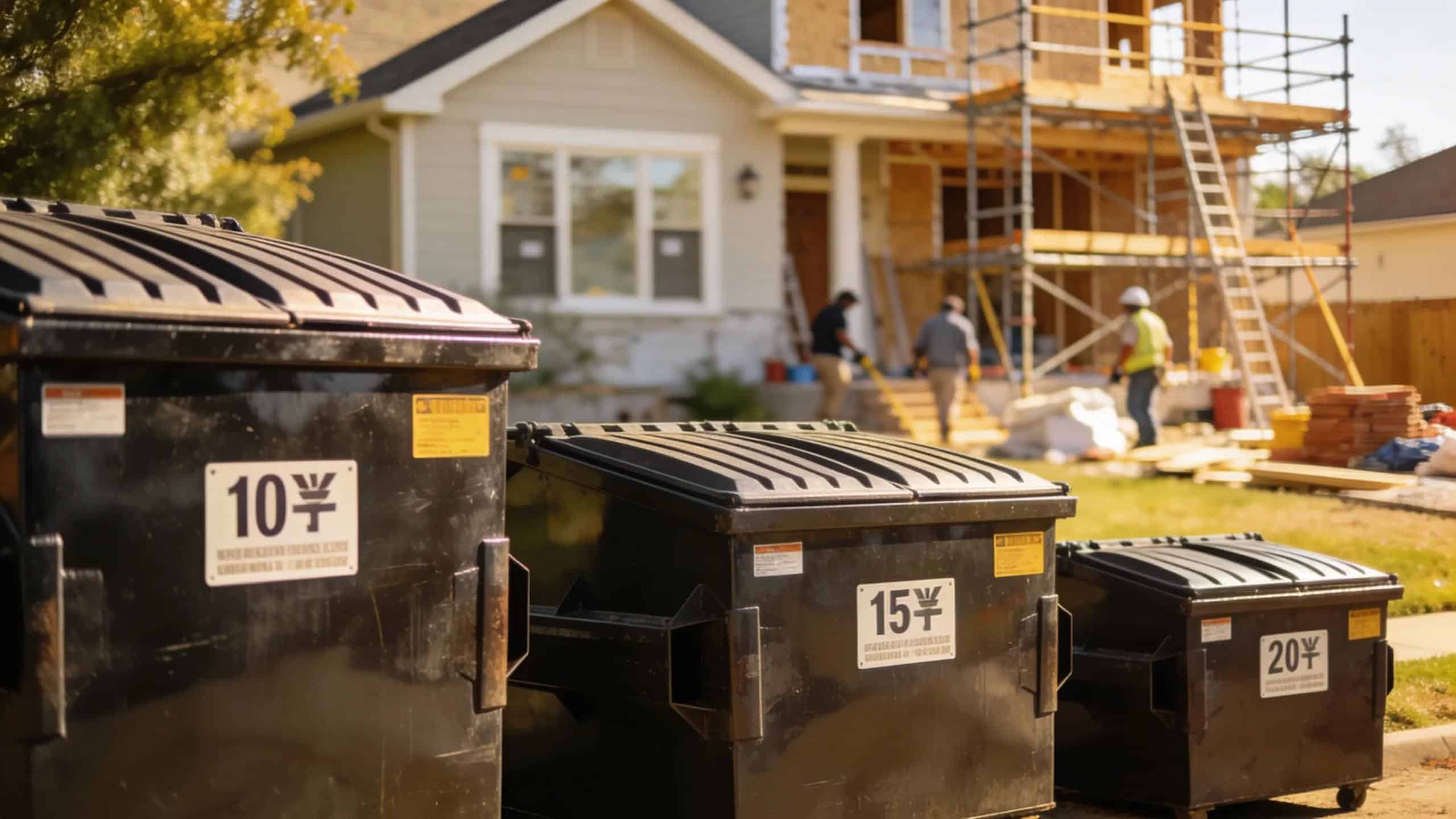
- 10-Yard Dumpster: Ideal for small projects, it can hold approximately 2 to 3 pickup truck loads of waste. This size is typically sufficient for minor renovations or cleanouts.
- 15-Yard Dumpster: Suitable for medium-sized projects, this dumpster can accommodate about 4 to 5 pickup truck loads. It provides extra capacity for larger cleanouts or small remodeling tasks.
- 20-Yard Dumpster: This size is best for larger projects, holding roughly 6 to 8 pickup truck loads of waste. It’s commonly used for substantial renovations, constructions, or significant cleanouts.
This variety ensures that you select a dumpster that efficiently meets the demands of your specific project.
Key Factors to Consider
Project Type, Waste Characteristics, and Space Constraints
Choosing the right dumpster size involves several critical factors that can influence your decision. Here are key considerations to keep in mind:
- Project Type: The nature of your project significantly impacts the size you need. Small projects like single-room renovations may only require a 10-yard dumpster, while major remodeling tasks could necessitate a 20-yard option.
- Weight and Volume of Waste: Different types of waste have different weight limits. Be sure to consider what materials you’ll be disposing of as heavier materials may require a larger dumpster to prevent overage fees.
- Space Availability: Ensure you have enough space on your property for the dumpster. Local regulations also often dictate where and how you can place a dumpster.
Evaluating these factors carefully will help narrow down your dumpster size options and prevent costly mistakes.
Size Recommendations
Choosing the Right Dumpster Size for Your Project
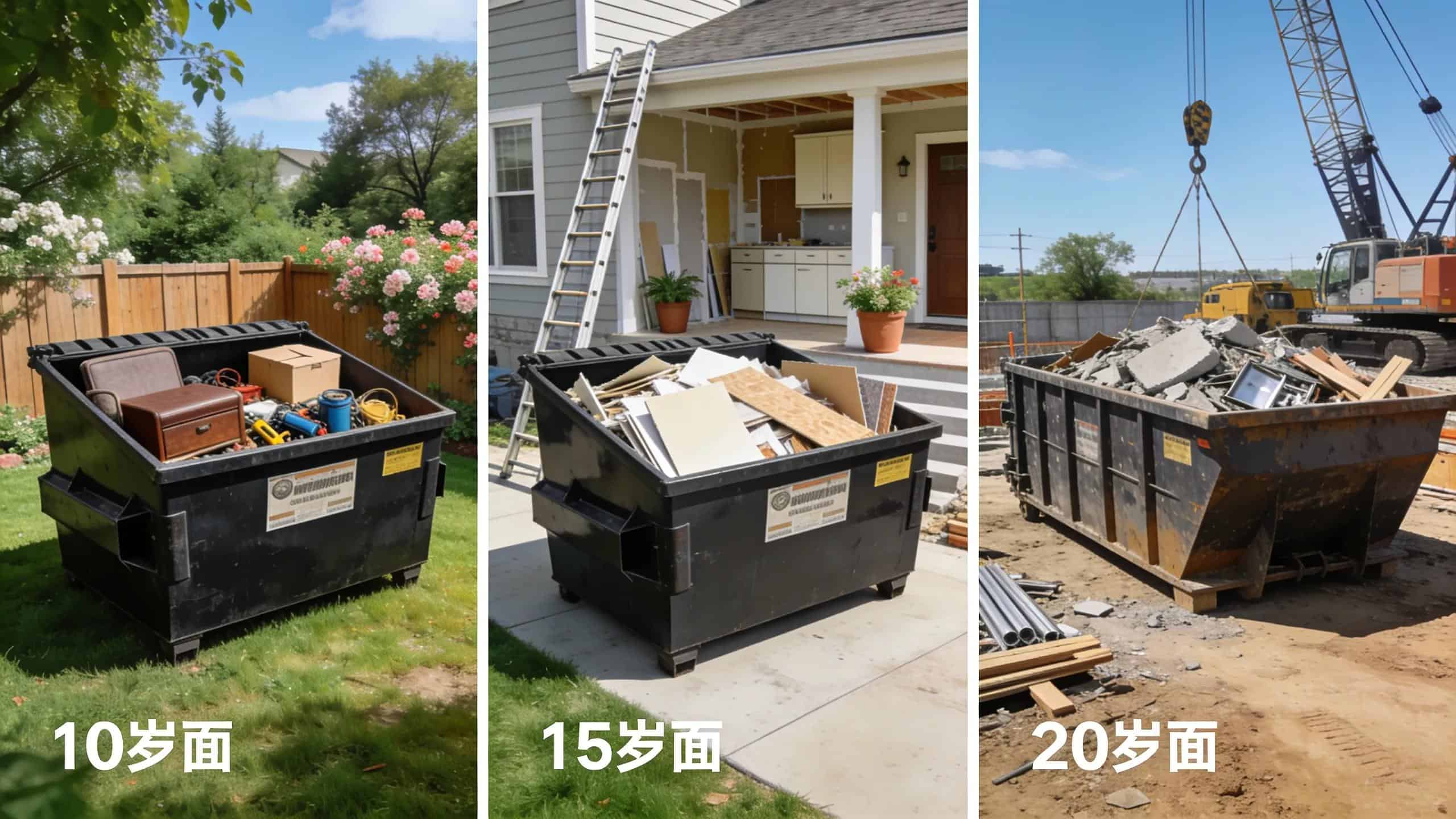
Selecting the right dumpster size based on your specific project type is important for effective waste management. Here’s how to approach it based on common project categories:
- For Small Projects: A 10-yard dumpster is typically sufficient for tasks such as garage cleanouts, yard debris collection, or small home renovations.
- For Medium Projects: If you’re tackling a larger renovation, a 15-yard dumpster will accommodate more waste and debris, suitable for bathroom remodels or moderate cleaning tasks.
- For Large Projects: For extensive home renovations or construction, a 20-yard dumpster is advisable, providing ample space for heavy waste, such as asphalt shingles or flooring materials.
To ensure you’re making an informed decision, consider discussing your project with professional rental services, who can provide tailored suggestions based on your needs.
This table illustrates how different dumpster sizes align with various project requirements.
Local Waste Compliance & Permit Guidelines
Understanding Regulations and Permits for Dumpster Placement
Renting a dumpster often involves compliance with local waste management laws and municipal regulations. Properly following these rules ensures your project stays within legal boundaries and avoids fines or delays. Key points to consider include:
- Dumpster Permits: Many municipalities require a permit to place a dumpster on public property such as sidewalks or streets. Check with your local city or county office to determine if you need a permit before delivery.
- Placement Restrictions: Regulations may restrict dumpster placement locations or require specific distances from roads, fire hydrants, or driveways — ensure your dumpster location complies with these rules.
- Waste Disposal Regulations: Some areas have regulations about what types of materials can be placed in dumpsters, such as prohibitions on hazardous waste or electronics. Make sure to verify waste guidelines to prevent illegal dumping.
- Time Limits: There may be limits on how long a dumpster can remain on-site, especially for public placements, so confirm rental durations align with local ordinances.
By observing these compliance requirements, you protect your project and contribute to environmentally responsible waste management.
Cost Implications
Factors Influencing Dumpster Rental Pricing
The cost of renting a dumpster is influenced by several factors, primarily dumpster size and rental duration. Here’s a breakdown of key considerations that affect overall rental costs:
- Size: Larger dumpsters generally command higher rental fees. For instance, renting a 20-yard dumpster will typically cost more than a 10-yard option due to the additional capacity.
- Additional Fees: Be aware of potential extra costs, such as overage fees for exceeding the weight limit or fees for keeping the dumpster longer than initially agreed.
- Weight Limits: Each dumpster comes with weight restrictions that vary widely. Failing to adhere to these limits could result in additional charges.
Understanding these cost implications can help you budget more effectively for your project while avoiding unexpected expenses.
Following your analysis of rental costs, it’s also prudent to explore services that help you find the best rates, ensuring competitive pricing for your dumpster rental.
Tips for Finding Affordable Rental Rates
Strategies to Secure the Best Dumpster Rental Deals
Locating the best dumpster rental rates can require a bit of research and strategy. Here are some effective tips to help you secure competitive pricing:
- Compare Pricing: Don’t settle for the first quote. Contact several rental companies and gather multiple quotes to compare services and prices.
- Seek Inclusive Services: Look for rentals that offer all-inclusive pricing. This should cover delivery, pickup, and any applicable taxes or fees to avoid surprise costs.
- Plan Ahead: Scheduling your rental in advance can help secure better rates, as last-minute bookings often incur premium costs due to demand.
Implementing these strategies will enhance your chances of finding an affordable dumpster rental that aligns with your project needs.
Frequently Asked Questions (FAQ)
What size dumpster do I need for a small home renovation?
A 10-yard dumpster is typically sufficient for small home renovation projects, such as single-room remodels or garage cleanouts. It can hold roughly 2 to 3 pickup truck loads of waste.
Are permits always required to place a dumpster on my property?
Permits are usually required when placing dumpsters on public property such as streets or sidewalks. If the dumpster will be on your private property, permits are less commonly required, but it’s best to check with local authorities to ensure compliance.
What types of materials can I put in a dumpster rental?
Accepted materials generally include household debris, construction waste, and yard waste. However, hazardous materials such as asbestos, chemicals, batteries, and electronics are often prohibited. Check with your rental service and local regulations for specific restrictions.
How long can I keep a dumpster rental?
Rental periods vary, but typical durations range from 7 to 14 days. Extensions can often be arranged, but may incur additional fees. Local regulations might also impose limits, especially for dumpsters placed on public property.
What happens if I exceed the weight limit of the dumpster?
Exceeding the weight limit usually results in additional fees charged by the rental company. It’s important to estimate your waste volume and type to select an adequately sized dumpster and avoid overage charges.
How can EcoBox Dumpsters assist me?
EcoBox Dumpsters offers tailored dumpster rental services with expert guidance on choosing the right dumpster size, compliance with local regulations, and competitive pricing. Their experienced team ensures your waste disposal process is efficient, cost-effective, and environmentally responsible.
https://shorturl.fm/LILvT
https://shorturl.fm/a0hId