
What to Consider When Requesting a Dumpster Rental Quote: Complete Guide to Pricing, Sizes, and Permits
By Linda Ceja, EcoBox Dumpsters
When seeking a dumpster rental quote, understanding the pricing, sizing, and permit requirements can significantly impact your experience and costs. This comprehensive guide aims to equip you with the essential knowledge needed to navigate the complexities of dumpster rentals effectively. Readers will gain insights into various factors influencing pricing and how to select the right dumpster size for different projects. Additionally, we’ll cover the necessary permits, common waste types, and pricing models to help you make informed decisions. Whether you’re a homeowner tackling a renovation project or a contractor managing a construction site, this article will address critical considerations to avoid unexpected fees and logistical hiccups.
What Factors Affect Dumpster Rental Prices?
Several factors influence dumpster rental prices, which can vary widely depending on local market conditions and project specifications. Understanding these elements is critical for obtaining an accurate quote. Key considerations include the size of the dumpster, the weight included in the price, rental duration, type of debris, and geographical location.
- Size of the Dumpster: Larger dumpsters inherently cost more to rent due to higher capacities and associated disposal fees. Understanding the appropriate size for your needs can directly impact your budget.
- Type of Debris: Different materials, such as construction debris, mixed waste, or hazardous materials, can incur different disposal costs. Rental companies may charge additional fees for specific waste handling.
- Rental Duration: The duration for which you need the dumpster also affects the total price, with many companies offering tiered pricing based on rental timeframes.
By considering these factors, you can better estimate rental costs and ensure you select a rental that meets your needs without overspending.
How Do Dumpster Size and Included Weight Influence Rental Cost?
The size of the dumpster and its included weight play a critical role in determining the overall rental cost. Understanding this relationship can help you avoid extra charges and select the appropriate dumpster.
- Size Selection: Choosing an appropriate dumpster size is essential, as larger dumpsters typically come with higher costs. It’s advisable to calculate the expected debris volume to make an informed choice.
- Included Weight: Every dumpster rental includes a weight allowance, and extra weight is billed per ton. Companies often charge by the ton for excess waste, which can substantially increase your final bill. At EcoBox, this overage fee is $100 per ton over the included weight.
- Cost Implications: Aligning the project needs with the dumpster size and included weight can lead to accurate cost management and help prevent unexpected expenses.
Thus, evaluating your project requirements against the size and included weight of available dumpsters is indispensable for effective budget planning.
What Role Do Rental Duration and Delivery Logistics Play in Pricing?
The rental duration and logistics of delivery are crucial components influencing the pricing of dumpster rentals. Knowing how these factors interact can help you maximize the value of your rental agreement.
- Standard Rental Periods: Typically, rental durations range from a few days to several weeks. Many companies provide initial pricing based on the standard period, with daily charges for extended rentals.
- Delivery Logistics: Prompt delivery and pickup services often incur additional fees, especially for urgent requests. Understanding these costs upfront can help manage your expectations and budget.
- Factors for Extension: If your project requires a longer timeframe, it’s essential to understand how rental extensions affect the overall price. At EcoBox, extensions are charged at a flat fee of $20 per additional day.
Being aware of these logistics allows you to plan better and avoid last-minute charges or delays.
How to Choose the Right Dumpster Size for Your Project?
Selecting the right dumpster size is vital for both efficiency and cost-effectiveness. Assessing your project’s specific needs and potential waste volume will guide your decision-making process.
- Assess Project Needs: Evaluate the scale of your project and the types of materials you will be disposing of. For smaller projects, a 10-yard or 15-yard dumpster may suffice, while larger renovations may require a 20-yard dumpster.
- Estimate Waste Volume: Consider the quantity of waste that you anticipate generating. Visualizing your debris can help in choosing a dumpster that does not overstretch your budget but meets your disposal needs adequately.
- Consult with Providers: Dumpster rental providers often offer expertise in helping customers select the right size, so leverage this service if uncertain.
Taking time to match dumpster sizes with project requirements can save you money and ensure a smoother pickup process post-project completion.
What Are Common Dumpster Size Options and Their Uses?
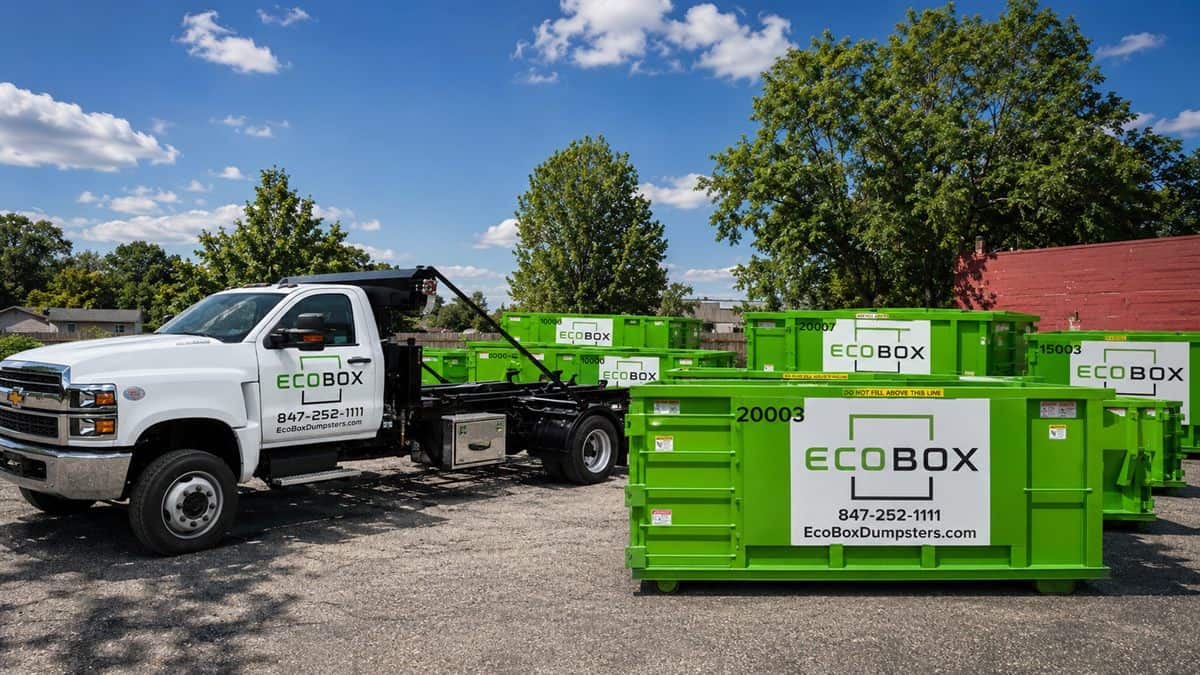
Understanding common dumpster size options and their respective applications is essential for effective project planning. Here’s a breakdown of typical sizes and their uses:
This table illustrates that selecting the right dumpster size is paramount, depending on your project’s scope and specific needs.
How to Match Dumpster Size to Waste Volume and Type?
Matching the dumpster size to the waste volume and type requires a thoughtful assessment to avoid overspending and complications during disposal.
- Evaluating Project Types: Determine the nature of your project and the expected waste type. For instance, roofing, concrete, dirt, rock, brick and asphalt go in the 10-yard dumpster only.
- Weight Considerations: Different waste types, such as concrete versus cardboard, can significantly impact load weight. Understanding these distinctions helps you avoid overage fees related to excess weight, which are charged at $100 per ton over the included weight.
- Choosing Based on Waste Projections: Predicting the volume of your waste based on past projects or typical disposal needs can guide you in selecting the correct dumpster size.
Employing these strategies ensures that you select a dumpster that minimizes costs while meeting project requirements effectively.
What Should You Know About Dumpster Rental Duration Options?
Knowing the various duration options for dumpster rentals helps you in organizing your project timeline and avoiding excess costs.
- Typical Rental Periods: Most rental companies offer flexible rental durations ranging from several days to weeks, allowing customers to choose a span that suits their project pace. The standard rental period is typically 7 days.
- Factors Affecting Duration: Seasonal demands, local regulations, and service provider availability can impact rental duration options. It’s wise to inquire about these during your quote request.
- Consequences of Overextending Rentals: If your project runs longer than expected, confirming extension procedures and possible charges ($20 per day) beforehand can help in budget planning.
Becoming familiar with rental duration options sharpens your project management skills and reduces the risk of fees.
What Are Typical Minimum and Maximum Rental Periods?
Understanding minimum and maximum rental periods helps your rental align with your project timeline and waste management requirements.
- Expected Minimums: Dumpster rentals often come with a standard seven-day rental period, allowing adequate time for disposal for most small to mid-size projects.
- Maximum Limits: Maximum rental periods can vary greatly. Clear guidelines help manage your expectations against service policies.
- Extensions and Their Costs: If needing more time, understanding the fees associated with extending your rental period upfront (commonly $20/day) can enhance budget accuracy.
Knowing these limits aids in planning to avoid potential pitfalls in project completion.
How Does Rental Length Affect Quote Estimates?
The length of the rental impacts overall quote estimates significantly, affecting your budget and planning strategies.
- Impact on Costs: Longer rental durations typically lead to higher costs in daily rates. Understanding how these costs accumulate can improve your budgeting process.
- Weekly vs Daily Rates: Many companies differentiate prices between daily and weekly rentals, where longer periods often yield better rates. At EcoBox, extra days are billed at a flat daily rate and run through the actual collection date.
- Budgeting Considerations: Keeping in mind how the rental length correlates to your budget can help manage expenses effectively, which is particularly important for larger projects.
Balancing rental length with project timelines can lead to better financial planning and project execution.
Do You Need a Permit for Dumpster Rental and How to Obtain It?
Understanding whether you need a permit for dumpster rental and the steps to secure one is essential for compliance with local regulations.
- Permit Requirements by Placement: Placement of a dumpster on public property often mandates a permit, particularly in urban or crowded areas. Knowing where your rental will be sited is critical as it determines the need for paperwork.
- Steps to Apply for Permits: Typically, applying for a permit involves submitting an application to your local authority or city council, paying a fee, and providing documentation for the rental.
- Associated Costs: Permit costs vary based on location and the type of permit required. Considering these when requesting quotes can aid in comprehensive budgeting.
Understanding these components is essential to avoid fines associated with improper placements.
When Are Local Permits Required for Dumpster Placement?
Identifying when local permits are needed is crucial for ensuring compliance with local regulations related to dumpster placements.
- Local Regulations: Many municipalities require permits when dumpsters are placed on public streets, sidewalks, or within specific zoning areas. Check with your local authority to understand these requirements.
- Permit Triggers: Specific conditions, such as road usage, safety concerns, or neighborhood regulations, often trigger the necessity for permits. Being aware of these can prevent unexpected project delays.
- Examples of Required Situations: Dumpsters placed in high-traffic areas or for extended periods generally require permits. Understanding these situations ahead of time will help in maintaining compliance.
This knowledge not only safeguards your project but ensures you’re adhering to local laws.
How to Navigate Local Permit Authorities and Requirements?
Navigating local permit authorities can feel overwhelming; however, understanding the process can help streamline your experience.
- Steps for Obtaining Permits: Familiarize yourself with the local application process, which may include filling out forms, paying fees, and potentially attending a hearing.
- Documentation Required: Commonly needed documentation includes project plans, proof of rental, and sometimes insurance policies. Assembling this material can expedite the process.
- Identify Local Authority Contacts: Finding the appropriate contacts within your local authority can facilitate quicker responses and reliable guidance throughout the permitting process.
Knowing how to navigate these systems ensures a hassle-free experience as you arrange for your rental.
How to Get Accurate and Affordable Dumpster Rental Estimates?
Acquiring detailed and reasonable dumpster rental estimates is vital for effective budgeting and planning.
- Necessary Information for Quotes: When requesting estimates, provide clear details about the project, including the type and size of the dumpster needed, the rental duration, and the expected weight.
- Avoiding Common Pitfalls: Be specific when discussing the waste type—specifically any potentially hazardous materials—to avoid misleading quotes.
Taking the initiative to gather comprehensive details can significantly enhance the accuracy of your quotes.
What Information Should You Provide When Requesting Quotes?
When requesting dumpster rental quotes, ensuring you provide comprehensive information will yield the most accurate estimates.
- Details Needed for Size Estimation: Detail how much waste you expect to generate, which helps companies suggest suitable dumpster sizes.
- Expected Weight of Debris: Weight details inform pricing; thus, providing accurate estimates will prevent unexpected costs.
- Timeline Requirements: Clearly stating your rental duration allows companies to offer more precise quotes based on their availability.
Being transparent about your needs ensures you receive tailored and realistic rental estimates.
What Tips Help You Save Money on Dumpster Rentals?
Several strategies can assist you in maximizing savings when renting a dumpster.
- Plan Ahead: Avoiding last-minute bookings can save you money, as emergency rentals may carry premium rates.
- Understand the Included Weight: Being aware of the included weight can help you avoid excess fees, ensuring you select a size that accommodates your needs without overspending.
Incorporating such strategies can enhance your budgeting and overall experience with dumpster rentals.
Who Are the Best Dumpster Rental Companies to Consider?
When evaluating dumpster rental companies, examining their services and reputation is crucial to ensuring a positive experience.
- Popular Providers: Some of the most recognized companies typically offer a wide range of services, from residential to commercial rentals.
- Comparison of Services Offered: Look for companies that provide flexible options, competitive pricing, and additional services such as same-day delivery.
- Customer Feedback Ratings: Read online customer reviews to gauge company reliability and service satisfaction, which can guide your choice.
Selecting a reputable provider ensures you receive quality service and support for your project.
What Services and Pricing Models Do Top Providers Offer?
Understanding the various services and pricing structures offered by top dumpster rental providers can help you make an informed choice.
- Typical Services Included: Most companies provide delivery, pickup, and disposal of waste, but additional services may include recycling or special handling for hazardous materials.
- Price Structures Observed: Pricing may vary by dumpster size, rental duration, and specific services selected. Many providers offer neatly packaged pricing for clarity.
- Comparative Analysis of Offerings: Review multiple providers to determine whose service offerings best align with your project needs and budget constraints.
Taking the time to compare these offers can prevent overspending and promote a satisfactory rental experience.
How to Evaluate Customer Reviews and Reputation?
Assessing customer reviews and the overall reputation of dumpster rental companies is vital for making informed decisions.
- Finding Credible Review Sources: Utilizing trusted review platforms can deliver a broader view of customer experiences and satisfaction levels.
- Indicators of Quality Feedback: Look for consistent positive feedback regarding the same issues, such as delivery timeliness or customer service responsiveness.
- Gauging Overall Satisfaction: A company’s response to negative feedback can reveal a lot about their customer service ethos. Pay attention to how they manage complaints and showcase customer care.
These strategies can help you select a trustworthy company for your rental needs.
What Waste Types and Restrictions Affect Dumpster Rental Quotes?
It’s crucial to understand which material types can influence dumpster rental quotes significantly.
- Commonly Accepted Waste Types: Most companies accept general household debris, yard waste, and construction materials. However, not all materials are permissible.
- Prohibited Materials: Items like hazardous chemicals, electronics, and appliances often come with strict restrictions due to safety and environmental regulations.
- Connection to Pricing: The type of waste directly correlates with dumpster pricing, as hazardous materials often require additional handling and fees.
Being aware of these distinctions will help ensure compliance and structure your disposal plans effectively.
Which Materials Are Allowed or Prohibited in Rentals?
Understanding the allowed and prohibited materials for dumpster rentals is essential for ensuring compliance and managing costs.
- Commonly Accepted Materials: General construction debris, household waste, and yard debris typically fit within the guidelines of most rental companies.
- Prohibited Items and Restrictions: Hazardous materials such as paint, batteries, and certain electronic devices are often prohibited. Check with your provider for a complete list to avoid fines.
- State Regulations on Waste: Be aware that local and state regulations may differ regarding waste disposal, impacting your choices and responsibilities.
Having this knowledge prepares you for more effective waste management and reduces the risk of fines or complications.
How Do Waste Types Impact Weight and Pricing?
Different types of waste can significantly influence the weight and pricing of dumpster rentals.
- Differences in Weight by Waste Type: Heavy materials like concrete and soil weigh considerably more than lighter items such as wood or cardboard. This discrepancy can affect pricing.
- Related Pricing Structures: Rental companies may charge by the ton for excess weight, making it crucial to estimate accurately to avoid additional surcharges, typically at $100 per ton.
- Calculating Potential Overages: If you’re working with heavy materials, calculating potential overage fees in advance can help you budget accordingly.
Being informed about how waste type influences rental terms can minimize unexpected expenses.
What Are Additional Considerations When Requesting a Dumpster Rental Quote?
Beyond standard pricing, various additional considerations could arise when securing a dumpster rental quote.
- Questions to Ask Service Providers: Inquire about potential hidden fees, acceptable materials, and their policies concerning included weight. Understanding these factors sets the stage for better decision-making.
- Review of Terms and Conditions: Before signing any contract, ensure clarity on terms, including rental duration, fees for late returns, and responsibilities regarding damages.
- Understanding Additional Fees: Ask about any other fees that could apply, such as those for permits or special delivery handling, to avoid surprises.
Considering these factors ensures a smoother rental process and protects you from hidden costs.
Related reading
- Dumpster Rental Quotes for Your Home or Business
- Discover Affordable Rental Rates for 10-Yard, 15-Yard, and 20-Yard Dumpsters Today!
- Transparent Pricing: What to Expect When Renting 10-Yard, 15-Yard, or 20-Yard Dumpsters
More on this: what the price covers, current pricing, find the right size, or talk to us about your project.
More on this: the 10-yard container roofing debris goes in, construction dumpster rental, commercial dumpster rental.