Driveway Safe vs Standard Dumpsters: What You Need to Know
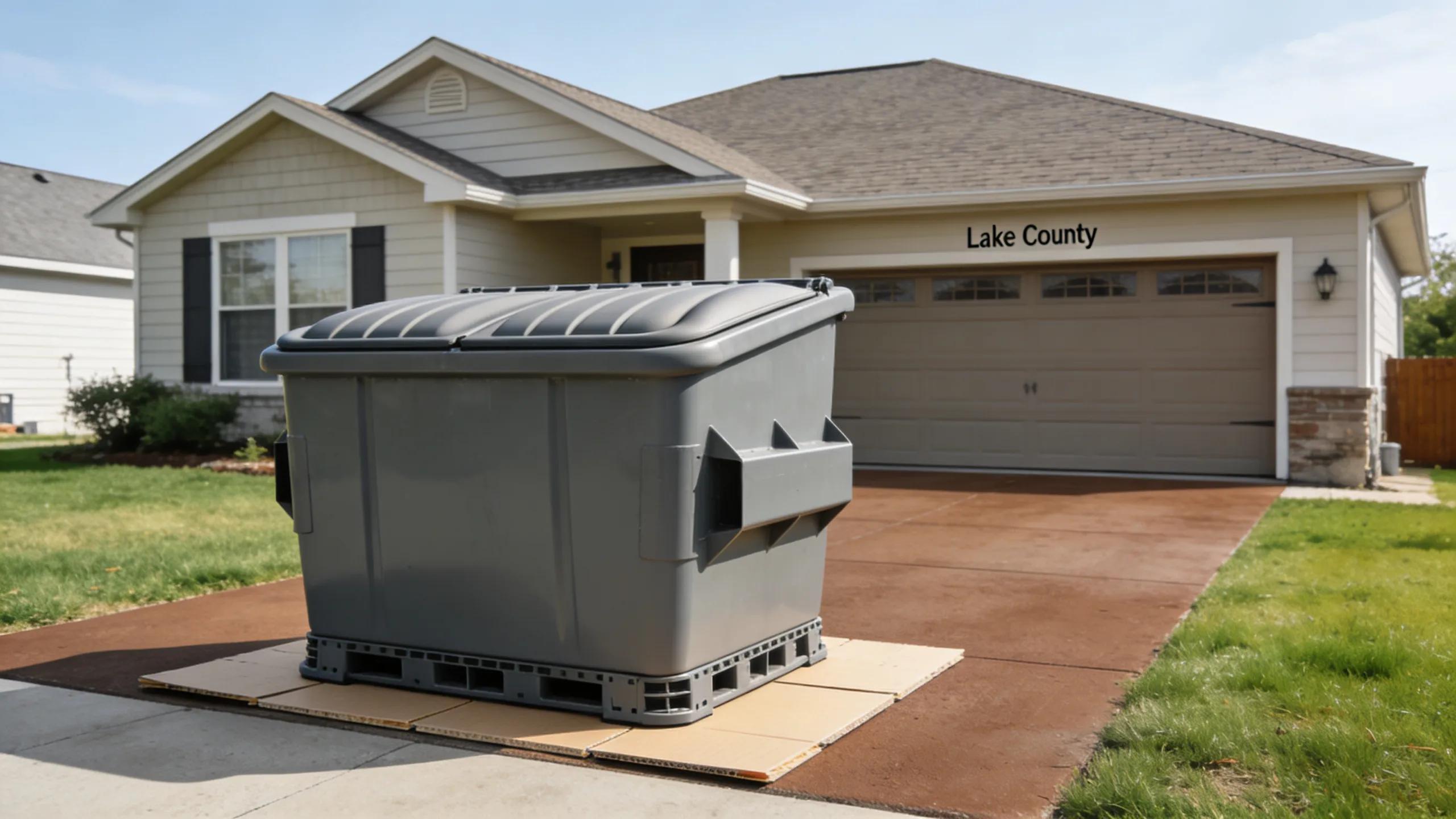
Driveway Safe vs Standard Dumpsters: Complete Rental Guide and Safety Insights
By Linda Ceja, EcoBox Dumpsters
Choosing the right dumpster for your project is crucial, especially when considering the health of your driveway and surrounding environment. Driveway safe dumpsters are designed with specific features to reduce damage, while standard dumpsters may offer lower costs but come with certain risks. This article investigates the distinctions between driveway safe and standard dumpsters, exploring the benefits, drawbacks, and ideal scenarios for each type. By understanding these differences, you can make an informed decision that best suits your needs while maintaining the integrity of your property.
In the following sections, we will cover a comprehensive rental guide, key differences between the types, their benefits and drawbacks, best use cases, as well as safety insights to ensure that your dumpster use is both effective and responsible.
Comprehensive Rental Guide: Driveway Safe vs. Standard Dumpsters
When selecting a dumpster rental, it is essential to understand the specific qualities and features associated with driveway safe and standard dumpsters. Driveway safe dumpsters incorporate design elements that distribute weight more evenly, minimizing the risk of damaging your driveway or surface underneath. In contrast, standard dumpsters typically have heavier bases that may lead to potential surface damage, particularly with softer driveways.
The importance of the right dumpster type can be emphasized in residential projects, where preserving property value is paramount. In addition to material and design differences, homeowners must also consider the volume of debris they need to dispose of, as this can dictate the size and type of dumpster required.
Key Differences
The distinctions between driveway safe and standard dumpsters lie primarily in their structural composition and intended use.
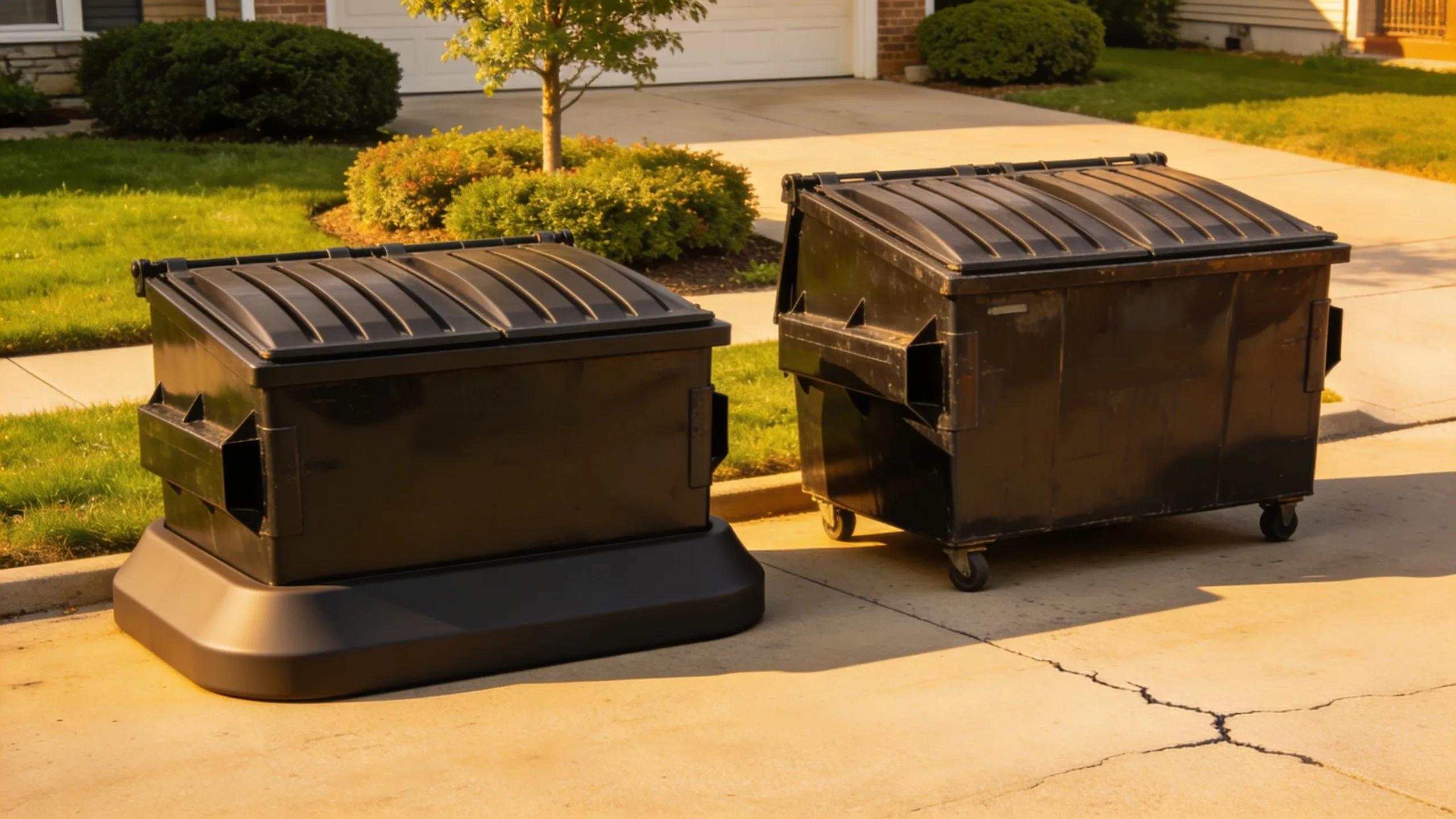
- Design and Placement Considerations: Driveway safe dumpsters are specifically engineered with reinforced bases that help distribute weight evenly across a wider surface area. Standard dumpsters often lack these features, making them more likely to cause damage during placement.
- Weight Distribution and Surface Impact: Standard dumpsters can exert significantly more pressure on driveways due to their construction. Driveway safe designs mitigate this issue, leading to reduced chances of cracks or indentations appearing on driveways.
- Cost Implications: While driveway safe dumpsters may come with a higher rental price, the cost can be offset by avoiding expensive driveway repairs later. It’s crucial to evaluate the costs of potential damage versus the upfront investment in a safer dumpster option.
Benefits
Choosing the right dumpster type offers several benefits that can enhance overall project efficiency and safety.
- Driveway Protection: Driveway safe dumpsters provide superior protection against surface damage, ensuring that your property remains in excellent condition, even during significant remodeling or clean-up projects.
- Cost Efficiency for Large Projects: Although they might carry a higher rental price, driveway safe options can save homeowners money by mitigating potential repairs or replacement costs due to damage from standard dumpsters.
- Suitability for Residential Use: Driveway safe dumpsters are ideal for residential projects, fitting comfortably in tighter spaces without causing damage. Their design also allows for safer loading and unloading at home locations.
For those looking to ensure both safety and efficiency in their waste management, selecting a driveway safe dumpster can be a smart decision.
Drawbacks
Despite their benefits, each dumpster type does have its drawbacks that should be considered.
- Higher Costs for Driveway Safe Dumpsters: The enhanced design and protection features of driveway safe dumpsters generally result in higher rental fees, which can be a concern for budget-conscious consumers.
- Potential Damage from Standard Dumpsters: The likelihood of driveway damage is significantly increased with standard dumpsters. This can lead to costly repairs, making them less economical in the long run.
Best Use Cases
When it comes to using dumpsters effectively, understanding the best use cases for each type ensures optimal results.
- Home Renovations: For multiple projects involving heavy debris, such as roofing or landscaping, driveway safe dumpsters provide peace of mind against potential driveway damage.
- Commercial Projects: Businesses planning extensive renovations or construction may also benefit from driveway safe dumpsters, particularly in urban areas where space is limited.
- Seasonal Cleanups: During spring or fall cleanouts, choosing a driveway safe dumpster allows homeowners to minimize impact on their property while ensuring all refuse is disposed of properly.
Safety Insights
Maximizing safety during dumpster use is essential, especially for minimizing liability and preventing accidents. Here are useful guidelines:
- Assessment of Driveway Condition: Before placing a dumpster, assess the existing condition of the driveway to identify any pre-existing damage or vulnerabilities.
- Proper Loading Practices: Avoid overloading dumpsters and distribute weight evenly to maintain stability and prevent tipping or spills during transport.
- Communication with Rental Companies: It is important to have clear discussions with rental service providers about the best placement options and securing any necessary permits, ensuring adherence to local regulations.
What is a driveway safe dumpster and how does it differ from a standard dumpster?
A driveway safe dumpster is specifically designed to prevent damage to residential driveways during the waste disposal process. It typically features a lighter weight and a wider base that distributes pressure more evenly compared to standard dumpsters, which can concentrate weight in a smaller area and potentially cause cracks or other damage to surfaces.
Understanding this distinction is vital, especially for homeowners who may not be aware of the potential risks associated with using standard dumpsters in residential settings.
How do standard dumpsters impact driveways compared to driveway safe options?
Using standard dumpsters can significantly impact driveway integrity by concentrating weight in smaller areas, which leads to cracks and other damage over time. Conversely, driveway safe dumpsters are designed to reduce these risks, offering a healthier solution for homeowners looking to avoid costly repairs while undertaking significant projects.
Which dumpster sizes are best for tight spaces and residential driveways?
The optimal dumpster sizes for tight spaces are typically compact models ranging from 10 to 20 yards. These sizes are easier to maneuver within residential driveways and minimize the risk of damage while still providing sufficient capacity for various waste types.
What are common load capacities of driveway safe dumpsters?
Driveway safe dumpsters often come with various load capacities, generally starting from 1 ton (2,000 lbs) to 3 tons (6,000 lbs). Each type is designed to handle different debris loads effectively, allowing homeowners to choose what best fits their project needs.
How does rental pricing compare between driveway safe and standard dumpsters?
When comparing rental prices, driveway safe dumpsters may typically range from $350 to $600, depending on size and location, while standard dumpsters typically range from $250 to $500. Although the initial costs may appear higher for driveway safe options, the potential long-term savings from avoiding driveway repairs should be factored in as well.
| Type of dumpster | Pricing | Key features |
|---|---|---|
| Driveway Safe | $350 – $600 | Reinforced base, lighter weight |
| Standard | $250 – $500 | Heavier base, wider availability |
This table shows the investment considerations you may have to navigate between the two dumpster types.
How to rent a driveway safe dumpster for residential projects?
Renting a driveway safe dumpster typically involves assessing your material needs and contacting a rental service that offers this specialized type. Many companies provide specific online quotes based on your project, helping you determine the right size and features to suit your requirements.
Which delivery and pickup terms support driveway safety during rental?
Safe delivery and pickup terms include stipulations such as requiring placement on flat surfaces, additional padding materials (like boards), and scheduled checks to assess any structural impact during the rental period. Ensuring these terms can help protect your driveway during the rental process.
What are effective driveway protection techniques during dumpster rental?
Effective techniques for protecting your driveway include:
- Using Protective Boards: Placing solid boards beneath the dumpster can help distribute weight and prevent surface damage.
- Weight Distribution Pads: These pads can be placed under the corners of the dumpster to further minimize pressure on any singular point of the surface.
- Clear Communication with Delivery Teams: Advising teams on critical areas to avoid will help ensure the dumpster is placed safely and securely.
These strategies not only protect your driveway but also enhance the safety and efficiency of the dumpster rental process.
What steps can renters take to ensure driveway safety with standard dumpsters?
Renters should take specific precautions when opting for standard dumpsters, such as:
- Assessing Driveway Strength: Before renting, evaluate the driveway’s condition to ensure it can withstand potential damage.
- Limit Weight Load: Always comply with the recommended load limits to avoid excessively compressing the surface.
- Monitor During Rental Duration: Regularly check the area around the dumpster for signs of shifting or stress.
By taking these steps, renters can mitigate the risks associated with using standard dumpsters, safeguarding their driveways effectively.
What common questions do people ask about driveway safe vs standard dumpsters?
Often, individuals have queries regarding the functional distinctions and economic impacts of using driveway safe and standard dumpsters. Some frequently asked questions include:
- What makes driveway safe dumpsters better for residential use?: Their design minimizes impact and damage on surfaces.
- Are standard dumpsters ever a viable option?: They can be used effectively for larger commercial projects where driveway integrity isn’t a concern.
- What should I look for in a rental company for these dumpsters?: Opt for services offering clear information about their products and protection options for driveways.
Understanding these elements will help ensure you select the right dumpster for your project while safeguarding your property effectively.