
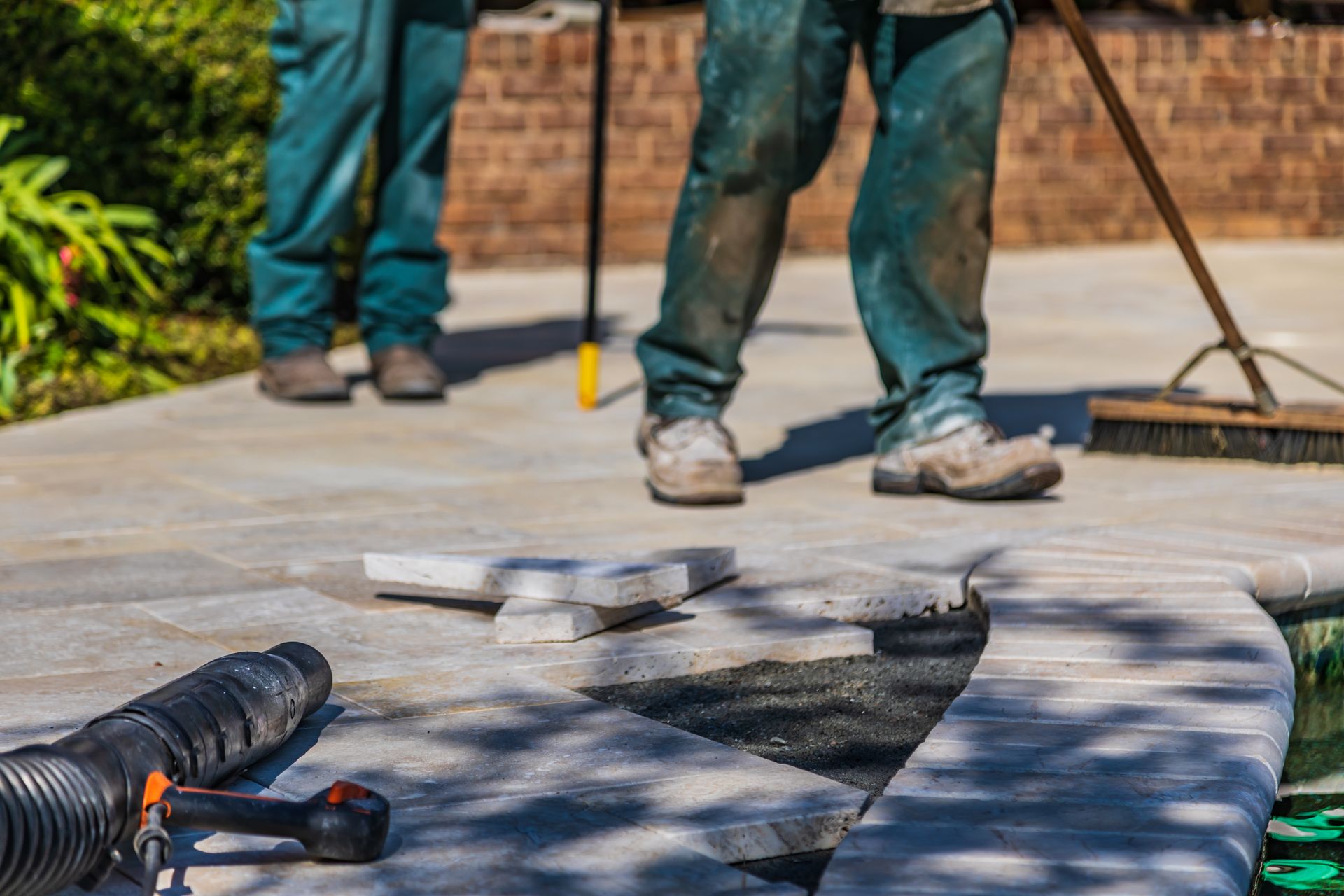
DIY hardscape projects like paver patios, short retaining walls, and landscape edging can change how your yard looks and feels in just a long weekend. A fresh patio gives you a clean hangout spot, a small wall tames a slope, and tidy edging keeps beds from creeping into your lawn. The work is hands-on and rewarding, and many homeowners in Northeastern Illinois plan these jobs for a three-day stretch when they have time to focus.
The part that often sneaks up on people is the debris. Soil, sod, old concrete, broken pavers, and chunks of rock are heavy and bulky. Standard trash pickup will not touch most of it, and trying to haul it yourself can eat up your whole weekend. Planning debris handling ahead of time with a driveway-safe roll-off dumpster keeps your schedule on track, helps you stay within weight limits, and cuts down on surprise fees.
A small hardscape project fits nicely into a three-day window if you keep things simple. Think of your long weekend in phases so you are not tripping over piles of debris while trying to lay pavers.
A basic plan might look like this:
Debris volume should be part of that plan. Paver patios and retaining walls usually mean removing several inches of soil and maybe old concrete or pavers. Even a narrow edging job can create a surprising amount of sod and dirt. Think about when that debris will be coming out of the ground so you can have a dumpster on site when you start digging, not halfway through.
Summer heat and Midwest storms are also worth planning around. It helps to:
When debris handling is built into your timeline, the project flows more smoothly and the finish line feels closer.
Hardscape projects all create mess, but the types of debris can be a little different from one project to the next.
For a paver patio, you might need to toss:
Retaining walls usually dig deeper and can bring up heavier material. Expect things like:
Edging projects and general yard cleanup often create mix and match piles, such as:
Knowing what you are likely to throw away helps you sort loads correctly and choose the right kind of dumpster.
Not all debris belongs in the same container. A yard waste dumpster is meant for light, organic material that breaks down easily. Good examples include:
Heavy material is a different story. The weight from construction debris climbs fast even when the dumpster still looks half empty. Heavy items include:
Keeping these two groups apart really matters. When heavy material gets mixed into a yard waste dumpster, the load is no longer just yard waste and it can push the container over standard weight limits. Tossing soil in with branches or hiding concrete under leaves can make disposal harder and lead to overweight fees when the dumpster is weighed at the landfill.
Picking a dumpster is not only about how much space you think you need, it is also about how much weight your project will create. Smaller patios, short edging runs, and light cleanup often work well with compact dumpsters. Larger patios, deeper retaining walls, or a full yard refresh might call for a bigger roll-off so you do not need multiple hauls.
With hardscape debris, weight usually fills the limit long before the container looks full. Dirt, concrete, and pavers are dense. A few short sections of broken sidewalk or a stack of old blocks can weigh more than a whole load of branches. Talking through your specific project and soil conditions with a local dumpster provider can help you right size the container and choose the right type for the mix of debris you expect.
Driveway and access matter too, especially in tight North Chicago and suburban lots. Compact roll-off dumpsters that are designed to be driveway-safe are easier to fit near your work area and help protect concrete, asphalt, or existing paver driveways from damage during delivery and pickup.
Once your dumpster is on site, how you load it makes a big difference. A few simple habits help you stay within both the physical fill line and the weight allowance.
Start by putting heavy debris in first and spread it out:
Try to keep organic material away from the heavy stuff. If you are using a yard waste dumpster, keep it for clean yard waste only. If you only have one container, create separate piles as you work and add the lighter branches and shrubs on top of the heavier base, without burying soil in the middle where it is hard to see.
Always stay below the top edge of the dumpster and respect posted fill lines. Do not stack material above the sides or hang it over the edges. Avoid hiding dirt or rubble under bundles of brush, since it still counts toward the total weight and can affect how safely the load can be hauled.
A little site prep makes using your dumpster quicker and safer all weekend long. Choose a level, stable area with clear access for the truck, with no low wires or branches in the way. Try to place the dumpster close enough to your patio, wall, or edging project that you are not taking long, tiring trips with a wheelbarrow.
To help protect your driveway, it can be smart to:
Staging debris as you work keeps the job site clean. Short, direct routes with wheelbarrows, tarps for dragging sod, and a steady habit of loading as you go all save time on the final cleanup. By the end of your three days, the hard work is done, the debris is contained, and your new hardscape is ready to enjoy.
Tackle your cleanup the easy way with an EcoBox Dumpsters yard waste dumpster delivered right where you need it. We handle the drop-off and pickup so you can focus on finishing your outdoor project on schedule. If you have questions about sizing, pricing, or availability, just contact us and we will help you choose the right solution. Let EcoBox Dumpsters make your yard work simpler, faster, and more efficient.