Choosing the Right Dumpster Size for North Chicago: EcoBox Dumpsters
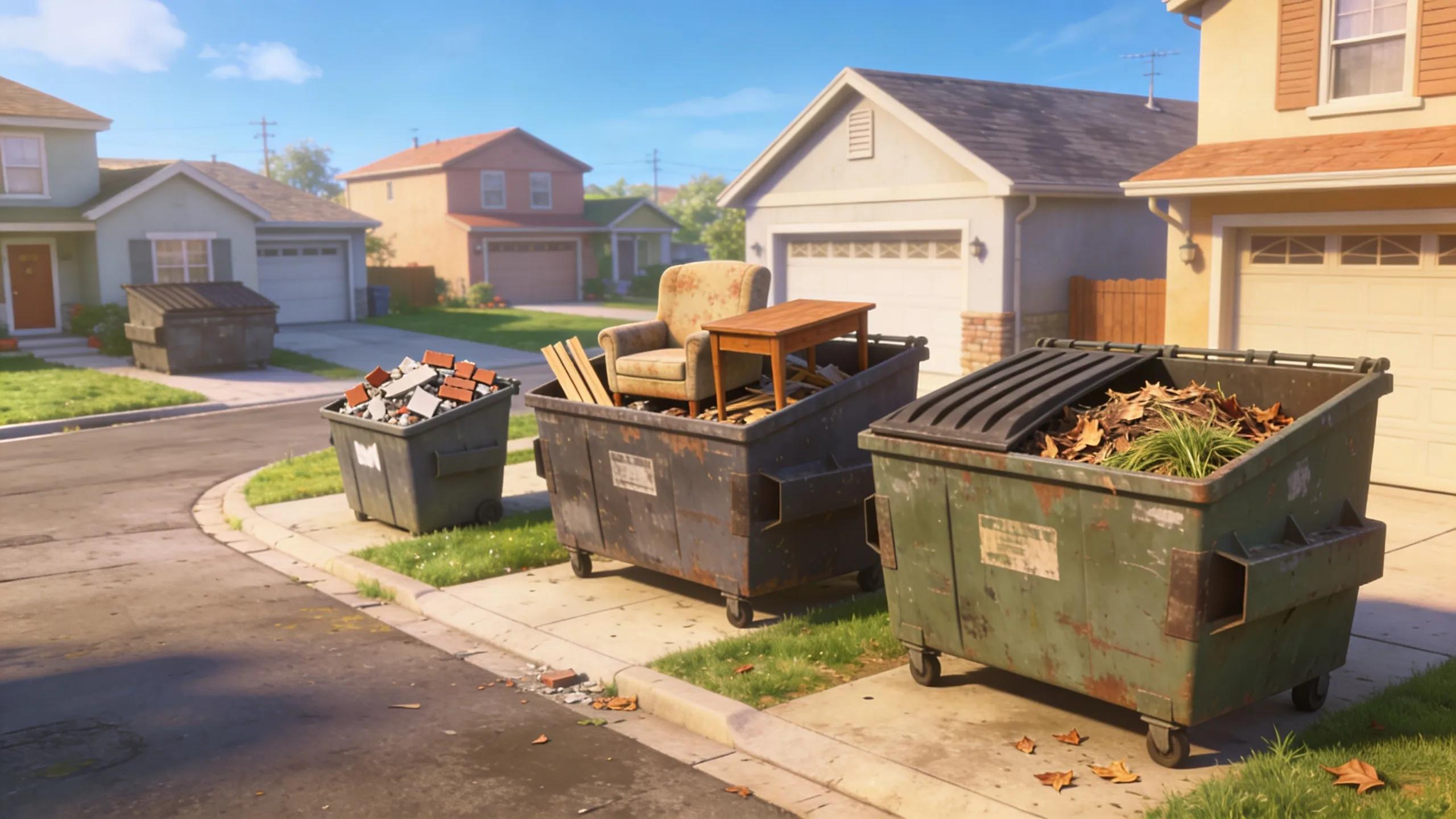
Choosing the Right Dumpster Size: Comprehensive Guide to Residential and Commercial Dumpster Rental Needs in North Chicago
By Linda Ceja, EcoBox Dumpsters
Choosing the right dumpster size can be a daunting task, especially for those who are unfamiliar with the various sizes available and their specific applications. Whether you’re undertaking a residential remodel or managing a commercial project, the correct dumpster size is crucial for effective waste management. This guide offers a comprehensive overview of the factors to consider when selecting a dumpster in North Chicago, focusing on both residential and commercial needs. You will learn about typical dumpster sizes, the importance of estimating waste volume, and the local regulations that may affect your choices. By the end, you’ll have a clear understanding of how to choose the most appropriate dumpster for your project, as well as insights into what services can assist you in this process.
Understanding Dumpster Sizes
Understanding the different dumpster sizes is essential for making an informed decision. Dumpsters typically come in various sizes measured in cubic yards, and each size serves specific functions depending on the volume of waste generated by the project. Common sizes include 10-yard, 15-yard, and 20-yard dumpsters. Each size is designed for different types of projects, from small cleanouts to large construction jobs. Knowing the capacity of each dumpster size can help you avoid excess charges for overloading and ensure you select the best option for your needs. For detailed information on various dumpster dimensions and their capacities, exploring dumpster size dimensions can be highly beneficial.
Choosing the Right Dumpster Size with EcoBox Dumpsters
Several critical factors influence the selection of the right dumpster size for your project:
- Project Type: The nature of your project—be it a home renovation, landscaping, or commercial construction—directly impacts your size choice.
- Estimated Waste Volume: Accurately estimating how much waste you expect to generate can significantly affect the efficiency of your cleanup.
- Local Regulations: Regulations in North Chicago may dictate what types of waste can be disposed of and how large your dumpster can be. Ensuring compliance can save you from fines or delays.
When you take these factors into account, you can make a more informed decision that aligns both with your project needs and local waste management guidelines.
Choosing the Right Dumpster for Specific Projects
Choosing the right dumpster involves balancing the waste generated with the possible size options that meet the project requirements. For instance:
- For small home cleanouts, a 10-yard dumpster is typically sufficient, accommodating approximately 10 cubic yards of material.
- A 15-yard dumpster is a great option for small remodeling projects or larger cleanouts.
- For medium-sized projects such as large kitchen or bath renovations, consider a 20-yard dumpster which can hold significant bulk waste.
Additionally, consulting with a professional like EcoBox Dumpsters can offer tailored solutions for selecting the best size. Their expertise can streamline the process, ensuring you choose the most efficient option for your specific project needs. Understanding the dumpster rental pricing factors is also crucial when making this decision.
Consultation
When selecting a dumpster size, a consultation with a dumpster rental service can be invaluable. EcoBox Dumpsters offers consultation to guide you through the decision-making process, ensuring you understand the options available based on your unique needs. Questions to consider asking include:
- What size do you recommend for my specific project?
- Are there any local regulations I need to be aware of?
- What is the typical rental duration, and how does it affect pricing?
By taking advantage of expert advice, you can mitigate risks and optimize your project outcome.
In summary, selecting the right dumpster size is essential for effective waste management and can help prevent unforeseen costs and compliance issues. By understanding the available sizes and their applications, considering your project specifics, and leveraging professional consultation, you can confidently navigate the dumpster rental process. For assistance and services related to dumpster rentals, EcoBox Dumpsters is available to offer expertise tailored to residential and commercial needs.
What Dumpster Sizes Are Available for Residential and Commercial Use in North Chicago?
In North Chicago, various dumpster sizes are available to accommodate different types of waste disposal needs. Below is a comparison of common dumpster sizes and their associated pricing. Familiarizing yourself with the dumpster rental process can make this selection even smoother.
| Size | Price | Capacity |
|---|---|---|
| 10-Yard | $395 | Suitable for small cleanouts; approx. 10 cubic yards |
| 15-Yard | $445 | Great for small renovations; approx. 15 cubic yards |
| 20-Yard | $495 | Ideal for medium-sized projects; approx. 20 cubic yards |
This table outlines essential information that can guide your decision based on project size and budget considerations.
How to Choose the Best Dumpster Size for Your Project: Residential vs. Commercial Considerations
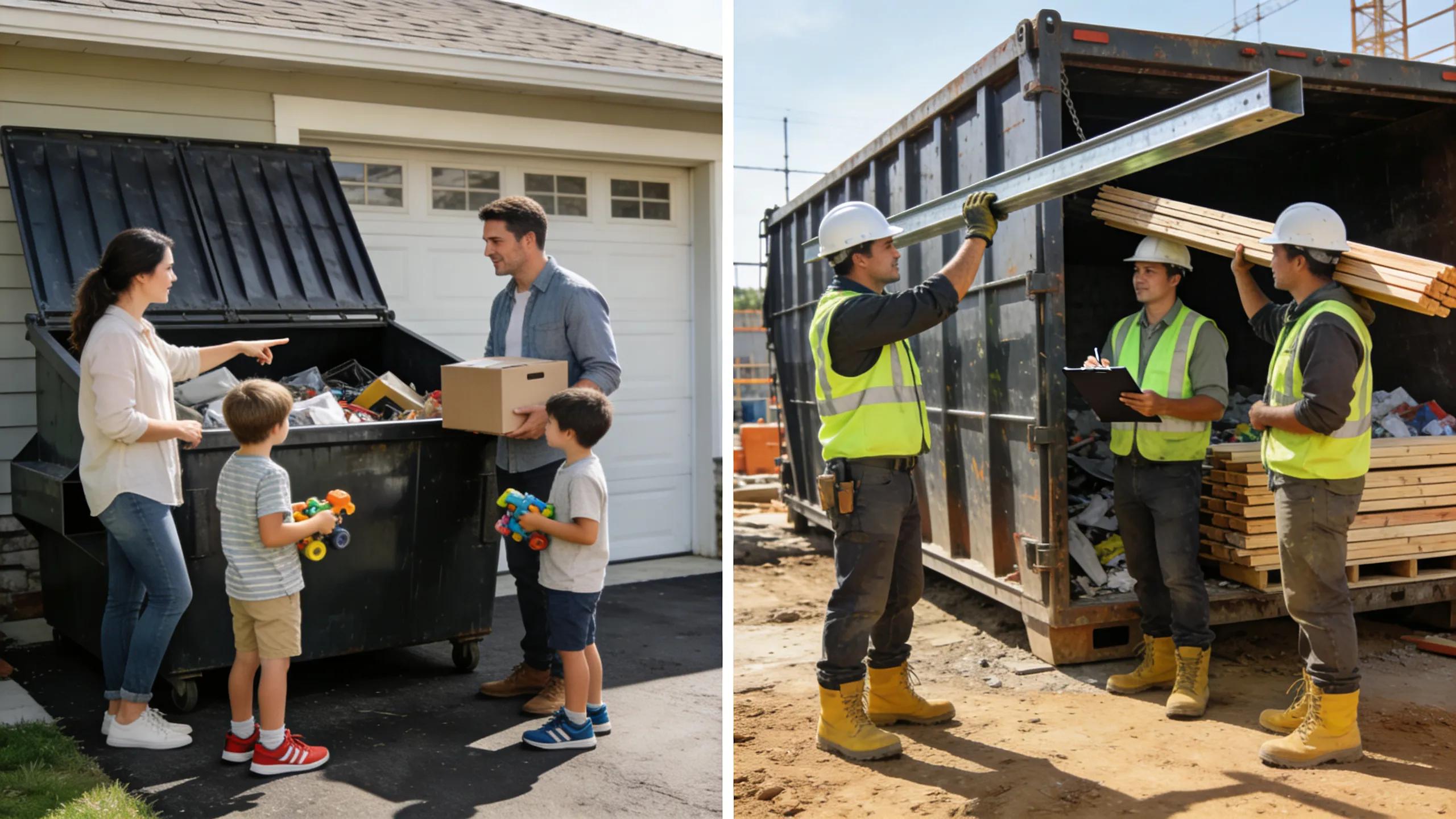
When evaluating dumpster sizes, it’s vital to differentiate between residential and commercial projects. Residential projects may not generate as much waste as commercial ones, which often involve larger-scale operations. For instance, homeowners may typically need a 10 to a 20-yard dumpster, while businesses should consider 20 yard options depending on the project scale. It’s also essential to factor in the type of materials being disposed of as this can further influence size selection.
Assessing Project Volume and Waste Type for Accurate Dumpster Selection
To ensure you choose the right dumpster, begin by assessing your project volume and the type of waste you will generate:
- Identify Project Goals: Determine the scope of your project and the goals you aim to achieve.
- Estimate Waste Type: Different waste types—construction debris, household items, or yard waste—can require different handling.
- Calculate Expected Volume: If unsure, consider calculating the volume of waste based on previous projects or consult with a dumpster rental service for accurate estimates.
Understanding these factors will guide you in determining the correct size and type of dumpster.
What Weight Limits and Overage Fees Should You Know Before Renting?
In dumpster rentals, each size comes with its designated weight limit, generally ranging from 2,000 to 4,000 lbs for smaller sizes and up to 10,000 lbs for larger dumpsters, depending on the dumpster size. Exceeding weight limits can result in additional overage fees. It’s crucial to inform your dumpster rental service about the type of waste being disposed of to avoid surprise fees:Understanding weight limits and overage fees is key to avoiding unexpected costs.
- Weight Tolerance: Most dumpsters have a specific weight tolerance. Check with your rental provider.
- Overage Costs: Understand the additional costs that may incur for exceeding the stated weight limit.
- Proper Weight Estimation: Find resources or guidance on how to estimate the weight of your load.
Being aware of these limitations can help you avoid unexpected costs that may arise from misestimating your load.
What Are the Dumpster Rental Pricing Factors in North Chicago?
Several key factors influence dumpster rental pricing:
- Size of the Dumpster: Larger dumpsters generally cost more to rent.
- Weight Limits: Rentals with higher weight limits typically charge a premium.
- Rental Duration: The longer the rental time, the higher the overall cost.
- Type of Waste: Some materials require special handling or disposal, affecting pricing.
Understanding these factors helps consumers make informed decisions when selecting a dumpster rental service.
How Rental Duration Affects Dumpster Pricing for Residential and Commercial Customers
Rental duration can play a significant role in overall costs for dumpster rentals. Pricing structures generally vary based on whether the customer is residential or commercial.
- Residential Rentals: Typically allow a 7-14 day rental period with extension fees applicable thereafter.
- Commercial Rentals: May have longer rental terms based on project needs, with bulk pricing available for prolonged use.
Keeping track of your rental duration can help you manage costs effectively while using the dumpster rental duration.
Comparing Pricing by Dumpster Size and Waste Disposal Type
When comparing costs associated with dumpster rentals, be sure to consider both size and the type of waste needing disposal.
| Dumpster Size | Typical Waste Type | Estimated Cost |
|---|---|---|
| 10-Yard | Small residential cleanout | $395 |
| 15-Yard | Moderate remodel | $445 |
| 20-Yard | Renovation debris | $495 |
This comparison shows how the size of the dumpster and type of materials can affect pricing, aiding in making a financially sound decision.
What Is the Process for Scheduling and Booking a Dumpster Rental in North Chicago?
The process for scheduling and booking a dumpster rental typically includes several straightforward steps. Understanding the local regulations for dumpster rentals is a critical part of this process.
- Assess Your Needs: Identify your project type, dumpster size, and waste type.
- Contact Providers: Reach out to multiple providers for quotes.
- Confirm Availability: Ensure the desired dumpster size is available for your rental date.
- Schedule Delivery: Set a time for delivery that aligns with your project timeline.
Following this process can ensure a smoother rental experience, enhancing your project efficiency.
Step-by-Step Guide to Booking Residential Dumpster Rentals Online
Booking a residential dumpster rental online is a simple task that can usually be completed in just a few steps. This often involves selecting the appropriate dumpster size calculators to aid in your selection.
- Visit Rental Website: Go to the website of your chosen dumpster rental provider.
- Select Your Size: Choose the appropriate size dumpster based on your needs.
- Input Project Details: Provide necessary details about your rental duration and the project type.
- Confirm Order: Review all details and confirm your order.
This method provides a hassle-free option to secure a dumpster rental while enabling you to manage your project efficiently.
Scheduling Tips for Commercial Dumpster Rental Efficiency
For commercial dumpster rental users, scheduling can optimize efficiency:
- Plan Ahead: Schedule your rentals well in advance to ensure availability.
- Communicate with Providers: Maintain clear communication with your rental service to discuss changes or special needs.
- Flexibility: Be open to adjusting pickup times based on project changes to avoid downtime.
These tips enhance your experience in utilizing rental services for large-scale commercial projects.
What Are the Local Regulations and Waste Disposal Guidelines Affecting Dumpster Rentals in North Chicago?
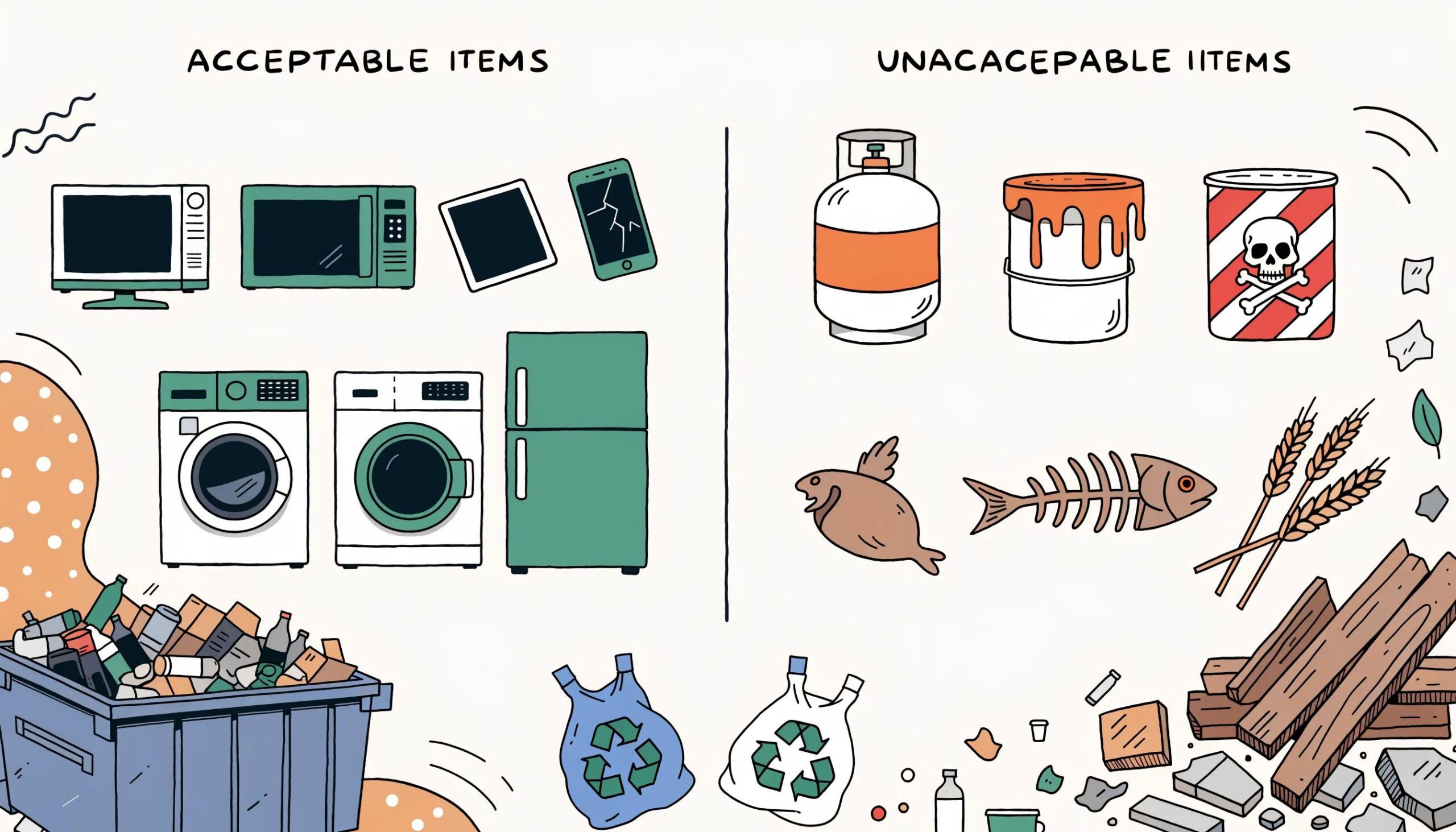
Understanding local regulations can significantly impact dumpster rental procedures and costs. Familiarizing yourself with weight limits and overage fees can help prevent unexpected charges.
- Permit Requirements: Some dumpster placements may require permits; check with local authorities.
- Prohibited Materials: Certain types of waste, such as hazardous materials, may not be permitted in local dumpsters.
- Hours of Operation: Be aware of designated pickup and drop-off times to avoid fines.
Stay informed about these regulations to ensure compliance throughout your rental process.
Understanding North Chicago’s Waste Type Restrictions and Disposal Rules
North Chicago enforces specific waste type restrictions which can affect your dumpster rental decision:
- Banned Materials: Items such as electronics, batteries, and hazardous waste often require special handling.
- Recycle Guidelines: Familiarize yourself with local recycling laws to ensure proper disposal, as it may affect cost and logistics.
- Residential vs. Commercial: Different rules may apply depending on whether you are renting for a residential or commercial project.
Understanding these restrictions ensures smoother handling of your waste disposal needs.
How Do Regulations Impact Residential vs. Commercial Dumpster Usage?
Regulations governing dumpster usage can differ significantly between residential and commercial projects. Residential users typically face fewer restrictions, while commercial projects may require compliance with stricter regulations and more defined waste processing tasks. Being aware of these differences allows for tailored planning that aligns with regulatory expectations while optimizing the waste disposal process.
What Are Recent Trends and Case Studies in Efficient Dumpster Rental Services in North Chicago?
Recent trends illustrate a shift towards more sustainable waste management solutions in the dumpster rental industry. Innovative practices such as recycling initiatives and eco-friendly disposal techniques are becoming more prevalent. Case studies show that companies engaging in sustainable practices not only benefit the environment but often save costs in logistics and disposal.
What Common Questions Do Customers Ask About Dumpster Size and Rental in North Chicago?
Common inquiries from customers typically revolve around size selection, pricing, and rental terms. Addressing these questions promotes clarity and confidence among customers when selecting a dumpster. Understanding your rental duration affects pricing is a frequent concern.
- What size dumpster is right for my specific project?
- How much will it cost, and are there additional fees?
- How long can I keep the dumpster before incurring extra charges?
By emphasizing accurate answers to these frequent questions, customers can navigate the rental process with greater assurance.
How Long Can You Rent a Dumpster in North Chicago?
Standard rental periods for dumpsters typically range from 7 to 14 days, depending on the provider. However, most services offer options for extending the rental period if needed. Making informed decisions about dumpster rental duration can prevent unnecessary costs.
- Standard Rental: Often lasts between 7-14 days.
- Extended Options: Additional fees may apply for longer rentals.
- Flexible Duration Planning: Discuss potential extensions during the initial booking.
Understanding these parameters aids in planning your project with the necessary timeframes to manage waste effectively.
Are Commercial Dumpsters Different From Residential Ones?
Yes, commercial dumpsters differ from residential ones primarily in their size and capacity. Commercial dumpsters are typically larger to accommodate more significant waste loads generated by businesses and industrial operations, while residential options are designed for smaller volume cleanups.
- Size Variations: Commercial dumpsters often start at 20-yard sizes, extending up to 40 yards or more.
- Usage Frequency: Commercial rentals may be managed on a regular pickup schedule instead of on-demand.
- Cost Differences: Size and service frequency create a pricing variance between the two types.
Understanding these distinctions ensures proper planning whether your project is residential or commercial.
How to Optimize Dumpster Rental Choices with Interactive Tools and Visual Guides?
Using interactive tools, such as online dumpsters size calculators, can help you visualize what size fits your project. Many rental services provide these tools on their websites, allowing users to enter project details and get a recommended size estimate. This is a great way to understand dumpster size calculators.
- Estimate Waste Volume: Users can approximate their waste volume, which assists in size selection.
- Visual Aids: Diagrams of dumpster sizes can help clarify which option suits their project.
- Guided Assistance: Engage with customer service for any further clarification regarding tool outputs.
These features augment the decision-making process, enabling better alignment with your project requirements.
Using Dumpster Size Calculators for Accurate Project Estimation
Dumpster size calculators are available through many rental providers, allowing customers to input information about their project and receive customized size recommendations. By using these calculators, you can effectively leverage dumpster size calculators for accurate project estimation.
- Input Project Details: Enter specifics such as project type and estimated waste volume.
- Get Recommendations: Utilizes data to suggest the most suitable dumpster size.
- Adjust As Needed: Many calculators allow adjustments for different waste types or project phases.
Utilizing such calculators can significantly streamline the process of selecting the right dumpster, helping ensure efficient waste management.
Interpreting Dimension Charts and Waste Volume Visuals for Better Selection
Understanding dimension charts and waste volume visuals is essential for selecting the right dumpster size. These tools provide comprehensive insights into the sizes and corresponding waste volumes each dumpster can handle. Exploring these dimension charts and waste volume visuals can greatly improve your selection process.
- Visual Representation: Clear charts show dimensions alongside capacity, aiding in proper selection.
- Estimation Aid: Helps users visualize how much space their waste will occupy.
- Checklists for Guidance: Dimension charts often include checklists for what types of waste can be placed in each sized dumpster.
Using these resources ensures that customers make informed choices based on visualized data tailored to their specific needs.