
By EcoBox Dumpsters Editorial Team · Updated 2026-07-25
A dumpster and waste management glossary defines industry terms such as roll-off container, front-load dumpster, tonnage, landfill diversion, and disposal fees. EcoBox Dumpsters, based in North Chicago, IL, uses these standardized terms to clearly explain pricing, container sizes, and waste disposal processes to customers.
Glossary terms cover core waste-industry vocabulary—ADC (Alternative Daily Cover), aerobic decomposition, agricultural wastes and balers. EcoBox Dumpsters, based in North Chicago, IL, applies these standard definitions when explaining dumpster rental and waste management services to customers.
Common dumpster and waste management terms include roll-off, C&D debris and overage, all of which you may see on dumpster rental quotes and contracts. Understanding these terms helps you plan cleanups, renovations, and construction projects without confusion. EcoBox Dumpsters serves homeowners, contractors, and businesses across Lake County and Northern Cook County.
Key Takeaways: Understanding Dumpster Terms and Local Guidelines
- EcoBox Dumpsters is based in North Chicago, Illinois and rents 10-, 15- and 20-yard roll-off containers across Lake, McHenry and northern Cook Counties and Kenosha County, WI.
- Aerobic decomposition breaks down organic waste using oxygen, bacteria, and microorganisms to produce usable compost.
- Bales compress recyclables into large blocks held together with plastic strapping for efficient transport and storage.
- Waste management professionals use specialized terminology including anaerobic digestion, OCC, and Gaylord in daily operations.
- Local waste hauling permits and landfill regulations in Lake and Northern Cook Counties shape dumpster placement and disposal requirements.
What Is a Dumpster and Waste Glossary? Technical Terms, Local Guidelines, and Permitting Explained
A dumpster glossary collects the technical terms used in roll-off rental contracts, delivery paperwork, and disposal regulations, translated into language a homeowner or contractor can actually use. Skipping this step costs you time: a misread term on a rental agreement can lead to overage fees, rejected loads, or a dumpster that’s the wrong size for your project. Waste haulers and disposal facilities rely on precise vocabulary every day. Much of it sounds like a foreign language to anyone outside the industry. That gap between contractor-speak and plain English is exactly what a good glossary closes.
If you live in Lake County or Northern Cook County, this matters more than it might seem. EcoBox Dumpsters, based in North Chicago, Illinois, works with homeowners, contractors, and businesses throughout this region, and unfamiliar rental terms show up constantly in quotes, permits, and on-site signage. Understanding the basics of waste management terms before your dumpster arrives keeps your project on schedule and your budget intact. Additionally, local waste management regulations require permits and compliance with placement restrictions to avoid fines and delayed projects.
Why do rental terms and local waste guidelines matter before your dumpster arrives?
Terms on a rental agreement define what you’re allowed to load, how long you can keep the container, and what happens if you go over the included weight or fill line. Missing these details before delivery day creates confusion once the dumpster is sitting in your driveway. Furthermore, local municipalities often require placement permits and set rules on what can be disposed of, so check with your municipality before delivery.
What’s the difference between a glossary and a roll-off manual, including local permitting details?
A roll off glossary focuses narrowly on rental-specific terms: container sizes, included weight, prohibited materials — rather than broader waste-industry jargon or detailed permitting procedures. Making waste removal easier to plan starts with knowing these terms cold. Planning, managing, and completing a cleanup all depend on reading your contract correctly and following local departmental guidelines. Below, common terms get defined in the order you’ll likely encounter them, with added local permitting considerations.
What Do Roll-Off and Dumpster Size Terms Mean? Definitions, Local Regulatory Size Limits, and Safety Considerations
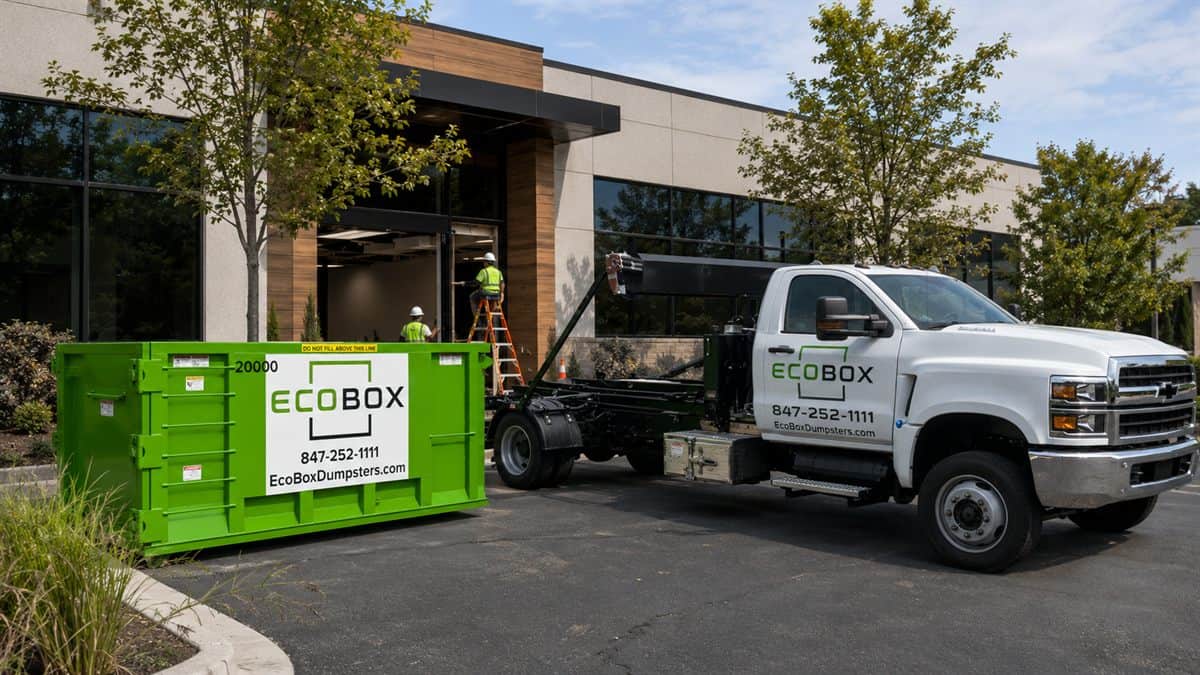
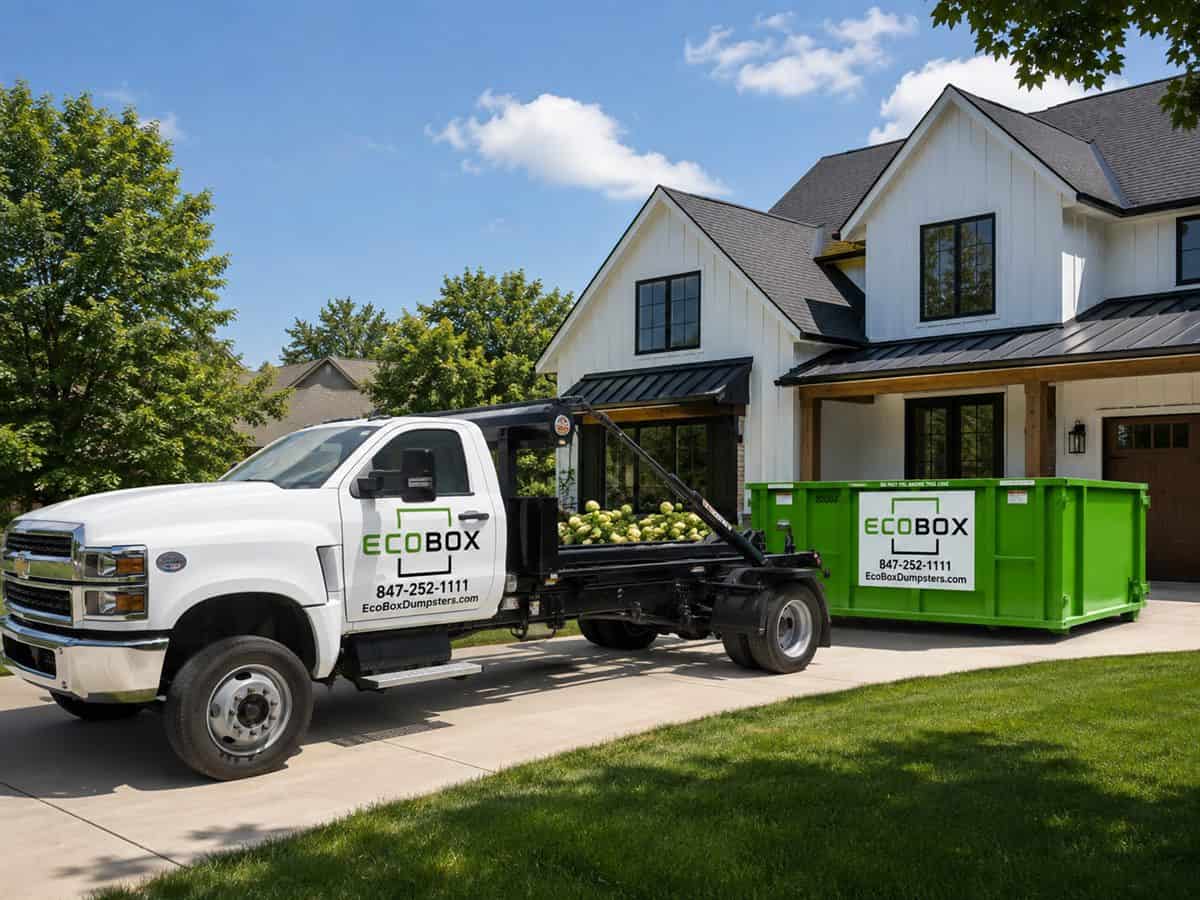
Roll-off refers to an open-top container hauled by a specialized truck that tilts and slides the box on and off its bed. This design lets crews drop a large container directly in a driveway or job site without a crane or forklift. You’ll see this term on quotes, contracts, and delivery paperwork, so understanding it removes a lot of guesswork before your project even starts.
Sizing terms cause the most confusion for first-time renters. A roll-off glossary typically breaks containers down by cubic yardage, a measurement of volume rather than weight. Getting the yardage wrong costs you money twice: once for an oversized container you didn’t need, and again for overage fees when a too-small box gets overfilled. Local ordinances in Lake and Northern Cook Counties may restrict dumpster size or require additional permits for larger containers placed on public property or streets.
How do I know which dumpster size fits my project while complying with local guidelines?
Matching container size to project scope prevents both wasted space and costly weight overages. Renovation debris, roofing shingles, and yard waste all fill containers differently, so square footage alone won’t tell you the right size. Support from a dumpster glossary helps you translate project scope into a specific yardage before you sign anything. Additionally, consult local municipal codes to ensure placement and size meet permitting requirements, especially for containers on public property.
The waste industry doesn’t make this easy. Nearly a dozen different names circulate for basic containers. That variation shows up constantly in waste management terms across different companies’ websites and contracts. You might see any of the following on a quote:
- Roll-off container
- Roll-off dumpster
- Open-top box
- Construction dumpster
- Debris box
Why does dumpster terminology vary so much between rental companies and how does this affect local permitting?
Regional habits and industry history explain most of the inconsistency. One company’s “roll-off” is another’s “debris box,” even though both describe the same open-top container. This confusion can complicate permit applications in areas where municipalities require precise container type descriptions.
This matters most in areas spanning multiple counties, where terminology and permitting habits can shift block by block. A village like Lakemoor, straddling both Lake and McHenry counties, shows how regional overlap makes consistent terminology genuinely useful for renters comparing quotes and local regulations across service areas.
What Contract, Rental, and Local Permitting Terms Should Renters Know?
Rental agreements for roll-off containers contain specific language that protects both you and the company delivering your dumpster. Understanding these terms before you sign prevents disputes over fees, dates, and disposal costs later. A rental contract is a working part of your dumpster glossary, not just paperwork to skim and sign.
Scheduling terms deserve close attention. Clear language around drop-off and pickup dates keeps your project on track and helps you avoid confusion about when your container arrives or when to request pickup. Ask about these dates directly rather than assuming a default timeline. Project delays often trace back to scheduling misunderstandings buried in contract fine print. Equally important are local permitting deadlines and any municipal inspection requirements before placement.
What fees and local permit requirements might appear in a dumpster rental contract?
Some local governments require a dumpster placement permit or street occupancy permit, which may include a fee. Permit applications in Lake, McHenry and northern Cook Counties are the renter’s responsibility; EcoBox does not file them. Confirm the requirement with the municipality before delivery.
How do I ask about pricing, sizing, and permitting details before I sign?
You don’t need to guess your way through a contract. Reach out with questions about dumpster sizes, pricing structures and scheduling terms before committing to an agreement, and check local permit requirements with your municipality.
Online ordering systems have simplified much of this process. Secure payment options and streamlined checkout reduce the friction of signing a rental contract, letting you focus on your project instead of paperwork. Before signing anything, confirm the following:
- Drop-off date and how to request pickup
- Included weight and overage charges
- Cancellation or rescheduling terms
- Local permit requirements
What Waste and Material Terms Appear On-Site? Mixed Loads, Agricultural Wastes, and Compliance Signage
Contracts, delivery tickets, and driveway signage often use terms you won’t hear in everyday conversation. A quick dumpster glossary helps you decode what’s on your paperwork before your rental arrives. Mixed loads containing household junk, yard debris, and construction scraps get grouped together, and knowing the vocabulary keeps you from guessing what a hauler means.
You’ll notice this vocabulary most when handling cleanups that combine several material types. Homeowners, contractors, and businesses often generate mixed loads that include household items and yard waste in the same container.
What counts as agricultural waste and what local rules apply?
Agricultural wastes refer specifically to crop residues and animal manures generated by farming operations. If you’re clearing a rural property or renting for a small farm cleanup, this term may show up separately from general household debris. Haulers sometimes flag agricultural material because it follows different handling and permitting rules than typical residential trash, including possible restrictions in Lake and Northern Cook County.
What’s the difference between aerobic and anaerobic breakdown? Environmental impact and landfill regulations
These two terms describe opposite decomposition processes. Mixing them up leads to confusion about what happens to your waste after pickup.
Aerobic decomposition breaks down organic material using oxygen, generating compost, carbon dioxide, and heat — the same process behind a backyard compost pile. Anaerobic digestion works without oxygen and produces methane gas instead, a reaction common inside landfills once organic waste gets buried.
Understanding these waste management terms and the broader roll off glossary helps you read your rental agreement with confidence. When a term looks unfamiliar on your invoice or site signage, you’ll know exactly which category your materials fall into. This knowledge helps evaluate your environmental impact and compliance with local landfill diversion mandates.
What Do Debris and Demolition Terms Mean? Waste Types, Handling Rules, and Site Management
Demolition debris covers a wide range of materials, from broken concrete to compacted scrap, and the vocabulary attached to it can confuse anyone reading a rental contract for the first time. A dumpster glossary built around real project types helps you match container size to the debris you’re actually generating. Garage cleanouts, home renovations, and larger construction jobs each produce different volumes and weights of waste, so understanding these terms first prevents costly surprises later.
Your project doesn’t have to be massive to benefit from clear terminology. Service scales from small residential jobs to large-scale construction and renovation work. Heavier debris loads change how a dumpster gets loaded and hauled. Knowing the terms below keeps you from overloading a container or misjudging what belongs inside it.
What is a baler, and why does it matter for demolition sites and recycling compliance?
A baler is a machine that compresses waste materials into tight, rectangular bales. You’ll often see this equipment at recycling facilities handling cardboard, and sometimes at larger demolition sites managing bulk material before it leaves the property. If your renovation generates flattened packaging or scrap, understanding baling helps explain why some materials get sorted separately from general debris to comply with local recycling and landfill diversion rules.
What does “ash” mean on a waste disposal form, and what are the disposal restrictions?
Ash, also called combustion ash, is the solid residue left after waste burns. This term becomes relevant when demolition debris includes fire-damaged material or remnants from burning. Disposal rules for ash differ from standard construction debris, so identifying it correctly on any paperwork matters, as local landfills follow distinct acceptance policies.
Key terms to remember:
- Baler – compacts materials into rectangular bales, common at recycling and demolition sites
- Ash – solid residue remaining after waste combustion
- Debris – general term for waste generated during renovation or demolition work
What Eco-Friendly and Recycling Terms Matter Most? Sustainability, Local Programs, and Environmental Compliance
Sustainability vocabulary in a rental contract usually points to what happens after the dumpster leaves your driveway. Terms like landfill diversion, route efficiency, and material recovery describe the environmental side of waste hauling, not just the container itself. Understanding these words helps you judge whether a provider’s “eco-friendly” claim actually holds up.
Building a working dumpster glossary starts with the equipment behind the scenes. Smaller-format roll-off trucks are more maneuverable and better suited to residential driveways than standard heavy-duty haulers.
Grasping key waste management terms also means knowing where your debris ends up. If you have clean, separated cardboard, metal or wood scraps, they can sometimes go to a local recycler instead of the dumpster. Those materials often have real recycling value.
A practical roll-off glossary should include facility-level terms you’ll see referenced in disposal paperwork:
- Bale – a large block of recyclables compressed and held together with plastic strapping at a sorting facility.
- Landfill diversion – any process that keeps waste out of a landfill through recycling or reuse.
- Route scheduling – route planning that reduces delivery time and fuel use.
What Delivery and Placement Terms Should You Know? Coordination, Local Ordinances, and Safety Protocols
Delivery day runs smoothly when you understand a handful of placement terms before the truck arrives. Confusion at drop-off usually traces back to unclear communication about size, spot, and access, not the equipment itself. A quick reference to common dumpster glossary entries helps you speak the same language as your rental provider and avoid last-minute surprises.
Placement starts with confirming the container fits your space. Compact, residential-safe dumpsters are built specifically for driveways and tight lots, so measuring your available area beforehand prevents scheduling delays. Confirming size and drop location in advance is one of the simplest ways to keep delivery on track. Moreover, local municipal codes in Lake and Northern Cook Counties often restrict dumpster placement on streets or sidewalks without permits, requiring renter awareness.
What Does “Placement Scheduling” Mean for a Dumpster Rental and Local Ordinance Compliance?
Placement scheduling refers to coordinating the exact delivery date, time window, and drop-off spot before the container arrives. Getting this right matters: a rental provider who helps you select the correct size and confirm placement details in advance removes the guesswork that leads to blocked driveways or rescheduled deliveries. Additionally, confirming any required permits for placement on public property or roadway is crucial to avoid fines and delays.
What Other Waste Terms Might Appear on Signage or Paperwork? Local Regulatory Language and Site Safety
You may spot unfamiliar terminology on signage or in supporting documents. Two worth knowing:
- Bimetal container – a recycling container manufactured from two different metals; you might see this label near collection bins on a job site.
- Alternative Daily Cover (ADC) – a landfill-related term describing material used to cover waste at day’s end; it sometimes appears when researching where debris ends up after pickup and is regulated by local landfill authorities.
Learning a few core waste management terms and reviewing a basic roll-off glossary before your rental date keeps paperwork, signage, and delivery instructions easy to understand and compliant with local safety guidelines.
Why Does Learning These Terms Help You? Avoiding Mistakes, Ensuring Compliance, and Streamlining Your Waste Disposal Project
Clear vocabulary prevents costly ordering mistakes. A working dumpster glossary turns confusing quotes and contracts into plain instructions you can act on immediately. Without that clarity, you risk booking the wrong container size, overlooking the included weight, or paying for a rental that doesn’t match your project.
Homeowners and contractors across Waukegan, Zion, Lake Forest, Palatine, and Glenview have faced this same confusion before scheduling a rental. Getting familiar with waste management terms like debris and roll-off dumpster lets you communicate exactly what you need, so your container gets scheduled without back-and-forth confusion.
What happens if you don’t know the terminology or local permitting rules?
Misreading a rental agreement or neglecting local permitting leads to surprise fees, violations, or a dumpster too small for your debris load. You end up making a second call, rescheduling delivery, or paying for extra hauls that a clearer conversation and proper permit research could have avoided.
Does a small, local provider make these terms easier to navigate?
Yes. A locally operated company can walk you through terminology one-on-one, rather than routing you through a call center. That kind of direct access matters when you’re comparing options and need answers fast.
Here’s what a solid roll off glossary gives you before you sign anything:
- Accurate size selection based on your project type
- Fewer surprise charges tied to extra weight or prohibited items
- Faster scheduling since your request matches the right equipment
- Confidence discussing terms with any provider, not just one
- Awareness of local waste hauling permit requirements and placement regulations
Understanding waste management terminology empowers you to make informed decisions about your disposal needs. Whether you’re managing a residential cleanup, commercial project, or construction site, familiarity with these key terms helps you communicate clearly with your service provider and select the right solution for your situation. EcoBox Dumpsters remains committed to making waste removal straightforward.
Comprehensive FAQ: Dumpster Rental Terms, Local Permitting, Waste Types, and Service Details
What is a roll-off dumpster and how is it different from other dumpster types?
A roll-off dumpster is an open-top container hauled by a specialized truck that tilts and slides the box on and off its bed, letting crews drop it directly in a driveway or job site without a crane or forklift. This design differs from front-load dumpsters or compactors typically used for commercial waste.
Why does understanding rental terms and local permits matter before delivery?
Rental terms define what you’re allowed to load, how long you can keep the container, and what happens if you exceed the included weight or fill line. Local permits govern where and how dumpsters can be placed, especially on public streets or sidewalks. Missing these details can lead to confusion, fines, or service delays once the dumpster arrives.
How does a glossary differ from a roll-off manual and what about local regulatory guidance?
A roll-off glossary focuses narrowly on rental-specific terms like container sizes, included weight, and prohibited materials. A broader glossary covers wider waste-industry jargon such as ADC and aerobic decomposition. Local regulatory guidance includes municipal codes on dumpster placement, permit requirements, and handling of specific waste materials.
What kinds of materials are prohibited or require special handling in a dumpster rental?
Common prohibitions include hazardous waste, wet paint, chemicals, electronics, and certain batteries. Some materials like agricultural wastes or ash have special handling or disposal requirements governed by local law.
Do I need a permit to place a dumpster on a public street or sidewalk in Lake and Northern Cook Counties?
Yes. Most municipalities in these regions require a permit for dumpster placement on public property, including streets, sidewalks, or alleys. Permits are the renter’s responsibility; EcoBox does not obtain or file them.
How can I estimate the right dumpster size for my project?
Estimate your debris volume, considering material type and density, then compare it to container cubic yard capacities. Consult your rental provider’s glossary and local guidelines, and request professional advice if uncertain.
How do local landfill diversion and recycling programs affect dumpster rental?
Local environmental regulations encourage or mandate recycling of materials like cardboard, metal, and wood. This may affect what you can place in certain containers.
Does EcoBox Dumpsters handle permit applications?
No. Permits are always the customer’s responsibility; EcoBox does not obtain, apply for, file or handle permits. Check your municipality’s requirements before delivery.
What should I do if I need to cancel or reschedule my dumpster rental?
Contact your provider as soon as possible. Review your contract for cancellation policies, potential fees, and rescheduling options to avoid penalties and project delays.
Related reading
- Dumpster Rental Tips for a Smooth Delivery and Pickup
- Get Residential Dumpster Rental for Home Projects | Ecobox Dumpsters
- Highland Park Dumpster Rental
More on this: our services, current pricing, find the right size, or talk to us about your project.
More on this: the 10-yard container roofing debris goes in, construction dumpster rental, commercial dumpster rental.