
By EcoBox Dumpsters Editorial Team · Updated 2026-07-25
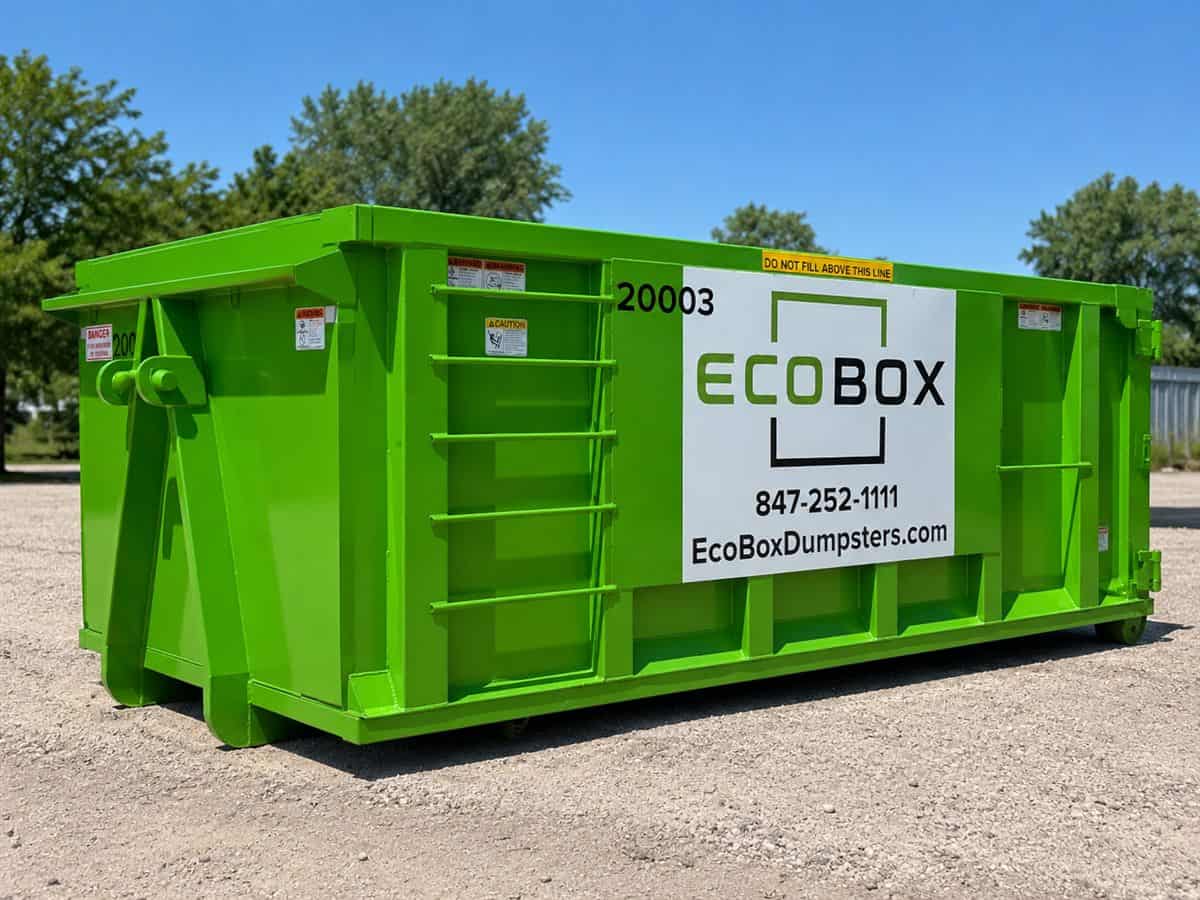
Permits depend on placement: dumpsters on public property typically require one, while those kept entirely on private driveways usually don’t.
Permit requirements depend on where your dumpster sits. A container on your driveway or private property often needs no permit, but some towns have their own rules; the dumpster permit guide lists them town by town. Placement on a street, sidewalk, or public right-of-way requires a permit from your local municipality. Confirm local rules with your municipality before delivery day; permits are always the customer’s responsibility.
Key Takeaways: Understanding Dumpster Rental Permits and Compliance
- Dumpster permit requirements depend on your project location.
- Permits prevent project delays by ensuring compliance with local waste management and placement regulations.
- Securing permits upfront keeps your dumpster rental project running smoothly without legal complications or unexpected interruptions.
What Will This Dumpster Permit Guide Help You Do? A Step-by-Step Approach
A dumpster permit guide answers one core question: does your project need government sign-off before a roll-off container lands on your property? Skipping that question costs money and time. Late permits stall deliveries, trigger fines, and stretch renovation timelines that were already tight. This section walks through what the guide covers and how to use it before your dumpster ever shows up.
A dumpster rental permit is official authorization from your local government allowing a roll-off container to sit in certain locations. Knowing the rules ahead of delivery prevents fines, project delays, and the kind of unexpected headaches that derail a weekend cleanout or a multi-week renovation.
How Should You Use a Permit Guide Before Renting Your Dumpster?
Treat the guide as a checklist, not a formality. Follow these steps in order:
- Confirm where the dumpster will sit — driveway, yard, or street.
- Check your city’s rules for street or sidewalk placement.
- Apply for the permit before your scheduled delivery date.
- Confirm approval in writing before the container arrives.
Not Sure Whether Your Area Requires a Dumpster Permit? Check With Your Municipality First
Your municipality sets the permit rules; obtaining any required permit is the customer’s responsibility. EcoBox Dumpsters, based in North Chicago, Illinois, works directly with homeowners and contractors across the region.
EcoBox also helps you choose the right container size. Get delivery scheduled before permits become a last-minute scramble.
Do You Actually Need a Dumpster Rental Permit? Detailed Location-Based Regulations
Location decides everything. Whether your project needs a dumpster rental permit comes down to one factor: where the container sits, not what’s going into it. That single detail determines whether you’re filling out paperwork or simply scheduling a drop-off.
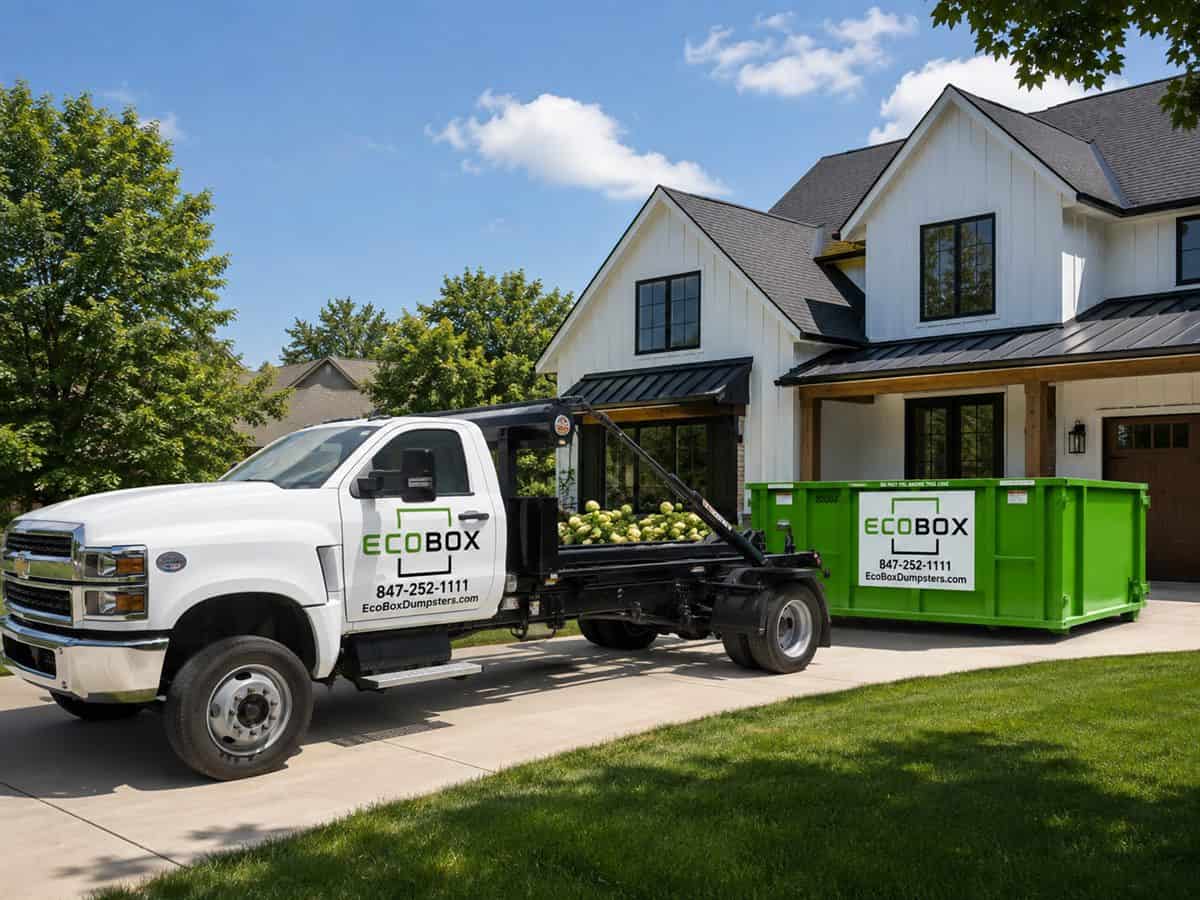
Placement on your own property changes the equation entirely. If your dumpster sits on your driveway, lawn, or another private area you control, most jurisdictions skip the permit requirement altogether. Public property is where the rules tighten. Set a dumpster on a street, curb, or sidewalk, and you’ll typically need permission from your local government before delivery.
Does the Size of My Property Affect Whether I Need a Permit for Dumpster Placement?
Yes — a longer driveway often means less paperwork. Homes with limited driveway space sometimes have no choice but to request street placement, which triggers the public-property permit rules. A shorter, narrower driveway can force that decision even when you’d rather avoid the extra step.
This is exactly why container size matters before you ever pick up the phone. EcoBox Dumpsters offers compact dumpsters that fit many standard driveways, which can keep your rental on private property instead of on the street. Avoiding public placement means avoiding the permit conversation entirely for many homeowners.
What if My Project Is Too Big for a Driveway? Managing Larger Dumpster Needs and Permitting
Larger renovations and construction cleanouts sometimes require more space than a driveway allows. EcoBox Dumpsters helps homeowners, contractors, and businesses manage cleanups across Lake and Northern Cook Counties, including jobs that stay entirely on private property from delivery to pickup.
Before you rent, check these two points:
- Placement location — private driveway/yard versus street or sidewalk
- Container fit — does the dumpster size match your available space without overflow onto public land?
Confirming both up front keeps your permit guide research short and your project timeline intact.
Where Will Your Dumpster Sit During the Project? Compliance and Permit Implications by Location Type
Placement location determines whether you need a dumpster rental permit before your project starts. A driveway placement typically requires no paperwork, while street, sidewalk, or public-property placement almost always does. Getting this wrong costs you fines and delays, so confirm your spot early.
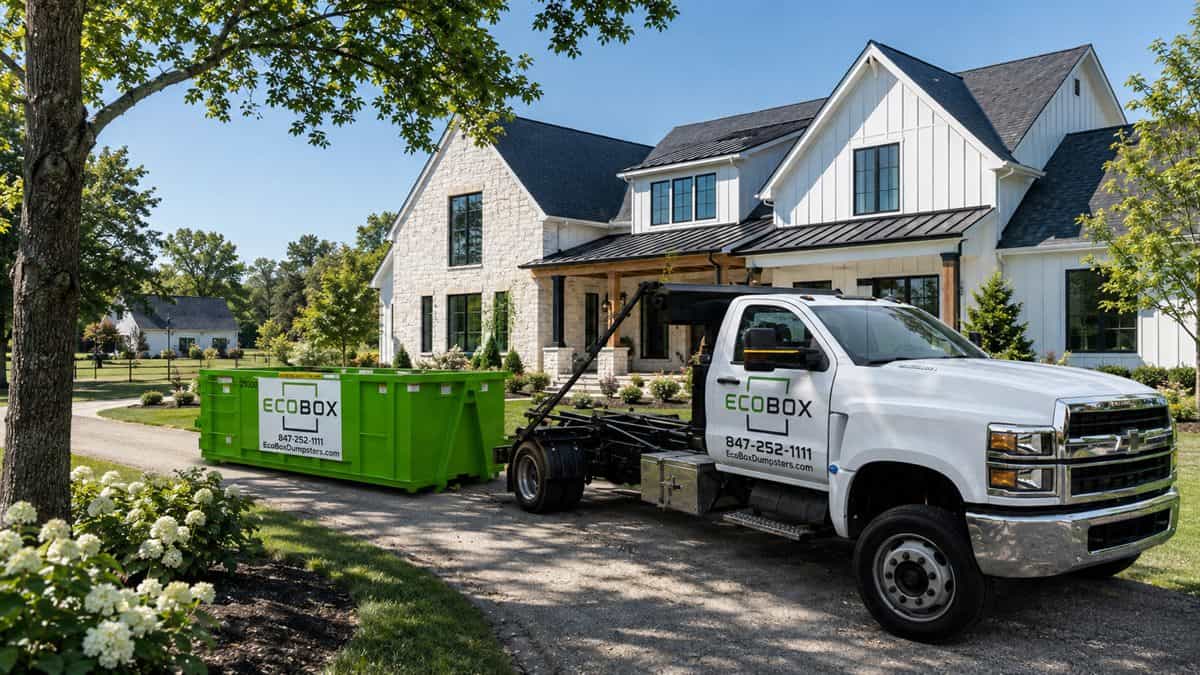
Your driveway is the simplest option. Since it’s private property, you avoid most dumpster permits entirely, and delivery scheduling stays straightforward. EcoBox Dumpsters provides affordable roll-off dumpster rental with transparent pricing.
Street or sidewalk placement changes the equation. Follow these steps if your driveway can’t fit the container:
- Measure your available driveway space first to confirm you actually need the street.
- Contact your local municipal office to ask about right-of-way permit requirements.
- Apply for the right-of-way permit, since street and sidewalk placement usually requires this specific authorization.
- Confirm any restrictions on placement hours, duration, or lane obstruction before delivery.
- Share the approved permit details with your rental provider ahead of drop-off.
Does a Parking Lot or Public Park Dumpster Placement Require a Permit Too? Extended Guidelines for Public Spaces
Yes. Any public property beyond the street or sidewalk — a parking lot, public park, or government site also requires a permit for dumpster placement. Skipping this step risks citations from the property’s governing authority. Treat public land the same way you’d treat a public street: assume a permit applies until confirmed otherwise.
Not sure which category your project falls into? Check with your municipality before scheduling. Customers with questions about placement can contact the team for guidance.
Expanded Dumpster Rental Permit Requirements for Chicago and Lake County Municipalities
Across Chicago and Lake County, dumpster permit requirements vary by municipality but generally follow consistent principles with specific local nuances. Understanding these detailed rules will help you navigate the permitting process successfully.
Street Placement vs. Driveway Placement: Key Regulatory Differences
Driveway or Private Property Placement: Most municipalities in Chicago and Lake County exempt dumpster placements on private property like driveways or yards from permitting, provided the dumpster does not encroach on public right-of-way. Placement here minimizes risks of fines and streamlines the rental process.
Street, Sidewalk, or Public Right-of-Way Placement: Dumpster placement on public streets, sidewalks, or right-of-ways requires an official permit. This is mandatory to ensure public safety, manage traffic impacts, and comply with local ordinances. These permits often stipulate placement duration, allowable hours, and safety requirements.
Homeowners Association (HOA) Guidelines and Their Impact on Dumpster Permitting
In addition to municipal regulations, your HOA may impose additional restrictions on dumpster placement, especially for long-term projects or those affecting neighborhood aesthetics. It is critical to review your HOA’s rules regarding dumpster rentals and secure any necessary HOA approvals alongside municipal permits. Non-compliance can result in fines or forced removal.
Village Public Works Permits Across Cook, Lake, and McHenry Counties
Many villages in Cook, Lake, and McHenry Counties require permits issued by their Public Works or Transportation Departments for dumpster placement within public rights-of-way. These permits regulate traffic safety, street use, and environmental considerations. Scheduling a dumpster placement without these permits can lead to fines and forced removal.
Typically, applicants must provide details such as placement location, duration, size of the dumpster, and any required safety measures. Some villages require notification to neighbors or additional insurance coverage. Early coordination with local Public Works offices ensures compliance and smooth project timelines.
Permit Fees and Application Timelines
Fees for dumpster permits vary by municipality, generally ranging from nominal costs to higher fees for extended use or placement on busy streets. Some permit fees can be as low as $25, while others, especially in Chicago neighborhoods, may charge up to $150 or more.
Application processing times also differ. Many municipalities process permits quickly, often within 1-3 business days if submitted properly during business hours. However, others may require up to two weeks. To avoid delays, it is best to apply as early as possible.
Safety Bar and Reflective Marker Requirements
Safety is a high priority for dumpsters placed on public property. Most permits require that dumpsters be equipped with reflective markers, safety bars, or cones to alert pedestrians and vehicles, especially during nighttime hours. These safety features help reduce accidents and improve visibility around the dumpster.
Specific requirements vary; some municipalities mandate reflective tape along the edges, while others ask for warning lights or traffic cones placed around the container. Make sure to review your permit conditions carefully and equip the dumpster accordingly before placement.
How Do You Find Your City’s Permit Rules? A Local Government Interaction Guide
Local government offices set the exact rules for your dumpster rental permit. Calling before delivery day saves you from fines. Each municipality writes its own specific requirements, though most follow similar safety guidelines for public spaces like streets and sidewalks. Skipping this step risks a stopped project and an unexpected citation.
Follow these steps to confirm what your city requires:
- Identify where the dumpster will sit — driveway, yard, or street.
- Call your city or county building department and ask about placement rules.
- Ask specifically whether a dumpster permit applies to your address.
- Request the timeline for approval so delivery doesn’t stall.
- Confirm any insurance or reflective marker requirements for street placement.
A permit guide from your local building department usually spells out fees, required documents, and processing time. Keep in mind that a dumpster permit works as a temporary authorization from your local government, not a permanent right to use public space. That authorization typically covers a set number of days, so track your rental period closely.
Who Do You Call to Check Local Dumpster Rules? Departments and Offices to Contact for Compliance
Contact your city’s building or public works department first; they issue most placement authorizations. Homeowners and contractors across Lake County and Northern Cook County deal with different offices depending on jurisdiction. Confirm the correct department before assuming your neighboring town’s rules apply.
Do Rules Differ Between Driveway and Street Placement? Key Differences and Impacts
Yes. Driveway placement rarely triggers a permit requirement, since the dumpster sits on private property. Street or sidewalk placement almost always requires approval, because it affects traffic and pedestrian safety.
EcoBox Dumpsters works with homeowners and contractors throughout communities like Lakemoor, where local placement rules shape delivery planning. That local familiarity, built serving Waukegan, Zion, Lake Forest, Palatine, Glenview, and beyond, helps you avoid costly guesswork.
Permit requirements for dumpster rentals depend on your location, making it essential to verify local regulations before your rental begins. EcoBox does not obtain permits for customers. We can tell you which department to ask and set the container where your approval allows. Contact EcoBox to discuss placement on your property.
Comprehensive FAQ: Local Waste Compliance, Permits, and Dumpster Rental Insights
Do you need a permit if the dumpster stays on your driveway?
Usually not, but it depends on the municipality. Most towns in Lake, McHenry and northern Cook Counties do not require a permit for a container kept entirely on private property, and some do — Wilmette is one of them. Check your own municipality before delivery. Obtaining any required permit is the customer’s responsibility.
When does a dumpster rental require a permit?
A permit is required when the dumpster sits on a street, sidewalk, or public right-of-way, issued through your local municipality.
Who confirms local permit rules for your dumpster rental?
You confirm them with your municipality before delivery day. Permits are always the customer’s responsibility.
What are common restrictions associated with dumpster permits?
Restrictions may include the permit duration, allowable placement hours, lane or sidewalk obstruction limits, and requirements for reflective markers or insurance. These vary by city and are outlined in your permit approval.
Does EcoBox Dumpsters handle the permit?
No. Permits are always the customer’s responsibility; EcoBox does not obtain, apply for or file them. EcoBox can advise on the container size that fits your property.
Are there fines for improper dumpster placement?
Yes, placing a dumpster on public property without required permits can result in fines, citations, and project delays. It is crucial to obtain authorization beforehand.
How long does it typically take to get a dumpster permit approved?
Approval times vary by municipality, ranging from same-day to several weeks. Early application is recommended to keep your project timeline on track.
What if my project requires multiple dumpsters or extended rental periods?
Multiple dumpsters or extended use may require additional permits or extended authorization. Check any additional permit requirements with your municipality; permits are always the customer’s responsibility.
Is there additional paperwork for dumpster placement in commercial versus residential areas?
Some municipalities impose stricter regulations and additional requirements for commercial zones. Confirm with your local authoritieswhich rules apply to your location.
Where can I find more specific local compliance information?
Your local city or county building department website often provides permit forms, fee details, and contact info. EcoBox Dumpsters can also connect you with the right resources for your area.
Related reading
- Hidden Value of Residential-Friendly Dumpster Rentals for Busy Streets
- Dumpster Street or Alley Placement in Illinois: Permits and Emergency Access
- Navigating Dumpster Rental Rules for Illinois HOAs
More on this: the permit guide, current pricing, check your ZIP code, or talk to us about your project.
More on this: the 10-yard container roofing debris goes in, construction dumpster rental, commercial dumpster rental.