
By EcoBox Dumpsters Editorial Team · Updated 2026-07-25
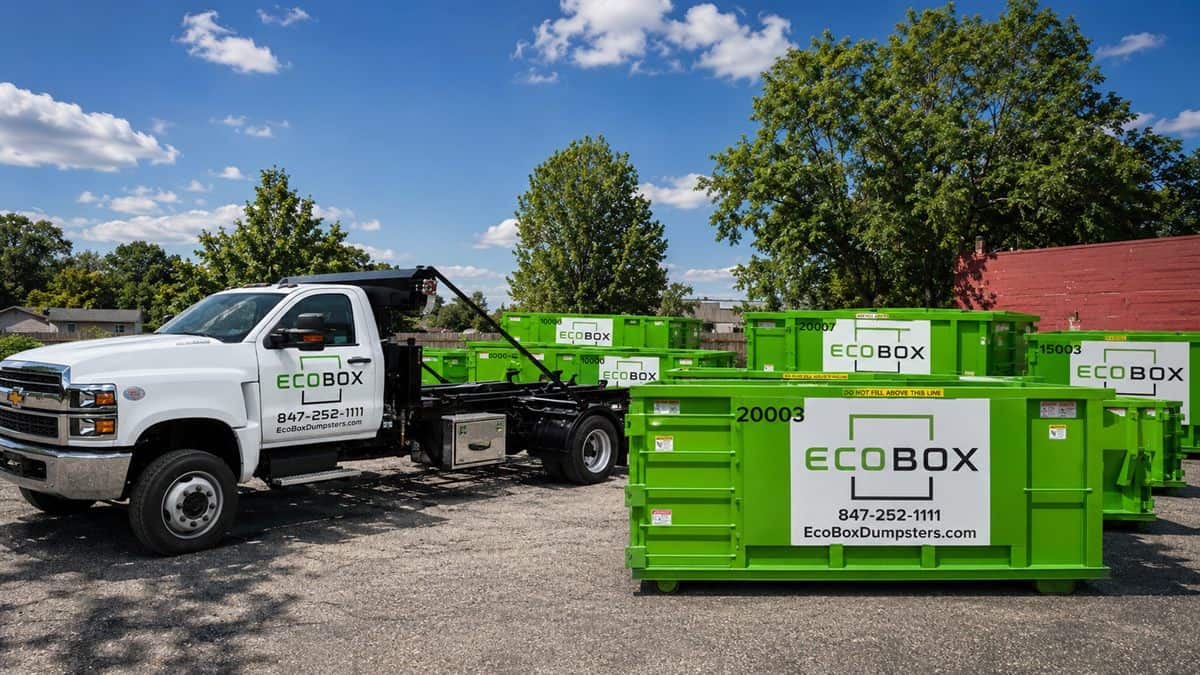
Overage fees stem from exceeding your dumpster’s included weight or fill line, adding unlisted materials, or missing your rental window. Confirm your debris type and estimated weight before booking, avoid overfilling past the container’s top edge, and schedule pickup promptly. EcoBox Dumpsters helps you match the right dumpster size to your project, which makes a second delivery far less likely.
Key Takeaways for Managing Your Dumpster Rental Costs and Compliance
- Prepare carefully and review all documentation before signing your dumpster rental agreement with EcoBox Dumpsters.
- Communicate proactively with your dumpster provider about the included weight, project scope, and local compliance requirements to prevent overage charges.
- Work exclusively with transparent, reputable companies like EcoBox Dumpsters in North Chicago that commit to honest pricing and local waste regulations.
What Are Dumpster Overage Fees Exactly? Understanding Charges and Causes
Extra costs added after delivery define dumpster overage fees. Any charge that lands on top of your originally quoted flat rate counts as a dumpster fee. Overage charges are the most common version homeowners encounter. Weight is usually the trigger. Load more than the included weight, and the difference shows up on your final invoice.
EcoBox Dumpsters builds its roll-off rentals around transparent, upfront pricing instead of surprise add-ons buried in fine print. You should know your rate before the truck ever pulls into your driveway, not after the container gets hauled away.
Why Do Overage Fees Happen? Common Reasons Behind Unexpected Charges
Overage fees show up when the actual weight or volume of your debris exceeds what your rental agreement covers. Concrete, dirt, and shingles are common culprits because they’re heavy in small volumes. Knowing your project’s materials ahead of time helps you avoid this gap altogether.
Are All Dumpster Fees the Same as Overage Fees? Differentiating Fee Types
No — overage fees are just one category. Extra charges can also come from trip fees, prohibited items, or extended rental time. Understanding the difference matters because tips to avoid fees vary depending on which type you’re facing.
Here’s a quick breakdown of what typically counts as an added charge versus what’s included in your base rate:
- Included in the flat rate: delivery, pickup, standard rental period, disposal of the included weight
- Potential extra charges: exceeding the included weight, prohibited materials, extended rental days, blocked or inaccessible pickup
- Trip fees: charges for extra pickups or deliveries required when containers are not ready for timely removal or are inaccessible at scheduled times. Ask us for a figure before the date if you think you will need one.
As a locally based company operating out of North Chicago, Illinois, EcoBox Dumpsters focuses on making every stage of your project—planning, ordering, and completion—easier to manage. That focus is designed to reduce the odds of an invoice that doesn’t match what you expected.
Local Waste Compliance & Municipal Regulations for Dumpster Rentals in Lake and Cook Counties
Understanding local waste disposal regulations and municipal permit requirements across Lake and Cook Counties is crucial to avoiding fines or delays. Regulations vary depending on municipality, so check with your village or city before delivery.
Permit Requirements for Dumpster Placement
Many municipalities in Lake and Cook Counties require permits if dumpsters are placed on public streets, sidewalks, or right-of-ways. Permits ensure safe placement and compliance with local ordinances. Placement on private property, such as driveways, usually doesn’t require permits but verifying with local authorities is recommended.
Municipal Overage and Additional Fees Regulations
Some municipalities enforce specific local overage penalties for illegal disposal or mismanagement of dumpsters. For example, disposing of prohibited items can lead to fines administered by city or county agencies.
Prohibited Items Across Lake and Cook Counties
Local regulations generally ban hazardous waste, electronics, batteries, paints, and appliances containing refrigerants from dumpsters. Improper disposal of these items can trigger fines and cause overage-like charges. EcoBox provides clear guidance on banned materials.
Who Is Responsible for Dumpster Permits
Permits are the customer’s responsibility. EcoBox does not apply for them and does not submit paperwork on your behalf. Check with your municipality before delivery, and tell us the approved location when you book so the driver sets the container where the approval allows.
Included Weight and Fill Levels: Avoiding Hidden Charges
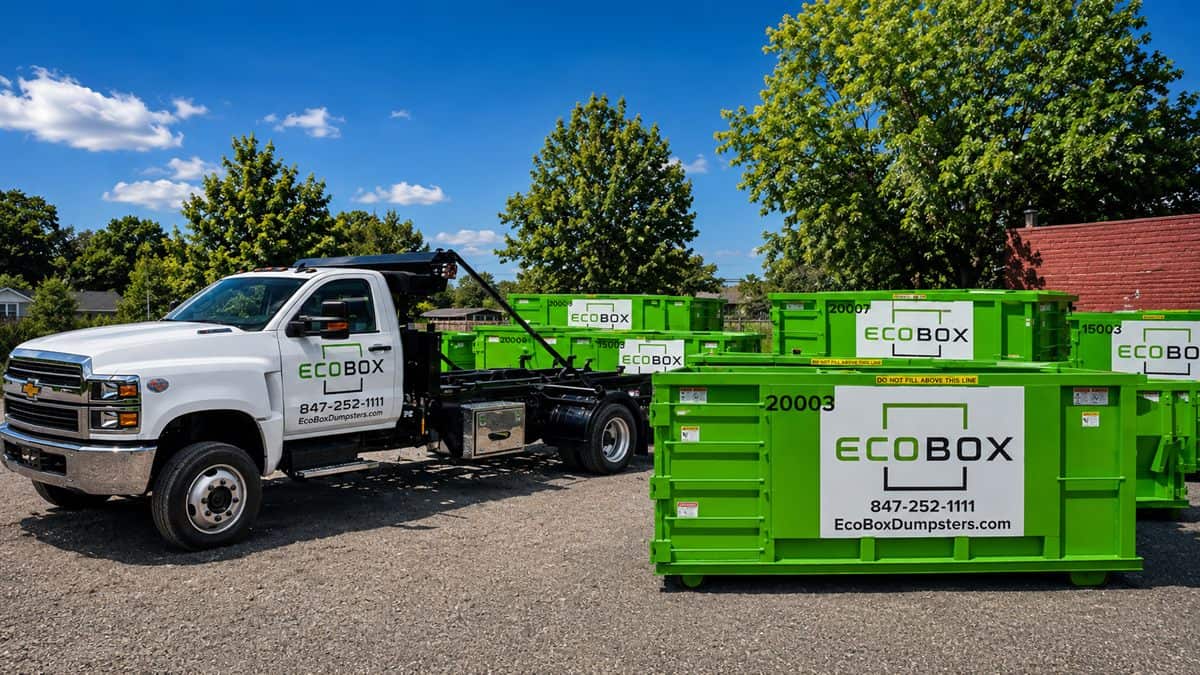
The 10-yard includes 1 ton, the 15-yard 1.5 tons and the 20-yard 2 tons. Weight over those amounts results in overage fees which can quickly add hundreds of dollars to your bill.
Understanding Included Weight
Each dumpster size includes a set weight allowance. Heavy materials like concrete and dirt use up the included weight before they fill the container. EcoBox can help estimate weight based on project materials to avoid surprises.
Fill Line and Maximum Capacity
Never fill the dumpster above the top edge or beyond the marked fill line. Overfilled containers risk spillage during transport, leading to fees and pickup delays. Safely loading within limits saves money and helps avoid those delays.
Extended Rental Terms: Planning to Avoid Overage Fees
Most dumpster rentals include a set rental period—commonly 7 days or fewer. Extending beyond this window can incur daily fees. Planning your rental timeline carefully and communicating with EcoBox about project progress can prevent costly extensions.
Prohibited Materials and Their Impact on Charges
Bringing unlisted or banned materials into the dumpster may cause immediate service refusal or extra charges. Common prohibited items include:
- Hazardous substances: paints, chemicals, asbestos
- Electronics and batteries
- Appliances containing refrigerants (e.g., refrigerators, air conditioners)
- Large automotive parts
Check with EcoBox for comprehensive lists and alternative disposal options to avoid unexpected penalties.
Trip Fees: What They Are and How to Avoid Them
Trip fees occur when EcoBox’s trucks must make additional visits due to scheduling issues, access problems, or container readiness. Typical causes include:
- Missed pickup appointments
- Blocked or inaccessible dumpsters
- Additional dumpster deliveries beyond the initial rental
Charges for an extra trip depend on the location and the circumstances, so ask us rather than assume. Our published rates are on the pricing page. Scheduling pickup promptly and ensuring clear access can prevent these charges.
What Should You Prepare Before Booking Your Dumpster Rental? Planning and Measurement Insights
Preparation starts with three things: your project scope, your driveway measurements, and a clear conversation with your rental provider. Skip any one of these, and you risk extra charges that show up after the container is already sitting in your yard.
Before you request a quote, walk your property and estimate how much debris the project will actually generate. Talk through your timeline, material types, and access points with the rental company, since EcoBox Dumpsters works with homeowners, contractors, and businesses on cleanups throughout Lake and Northern Cook Counties and can flag potential issues before delivery day.
How do I know what size dumpster to book for my project scale?
Undersizing is the most common mistake homeowners make. A container that’s too small forces you into extra hauling trips and added labor hours, which eats into your budget fast. Overestimating slightly costs less than a second trip.
What should I check about my driveway and property access before delivery?
Measure your driveway width and clearance above it, including tree branches or low wires. EcoBox’s dumpsters are built compact and residential-safe, but confirming placement space in advance still prevents delivery delays or extra trips.
Follow these steps before you finalize a booking:
- Walk the project site and estimate total debris volume.
- Measure driveway width, height clearance, and surface type.
- List the materials you plan to discard, including anything heavy like shingles or concrete.
- Ask about sizing, pricing, local permit requirements, the included weight, and scheduling directly with your provider.
- Confirm delivery and pickup dates that match your project timeline.
These tips to avoid fees apply whether you’re managing a weekend cleanout or a full renovation. A short planning conversation upfront costs you nothing—and it’s far cheaper than a surprise invoice later.
How Do You Pick the Right Dumpster Size? Detailed Guidance for Accurate Selection
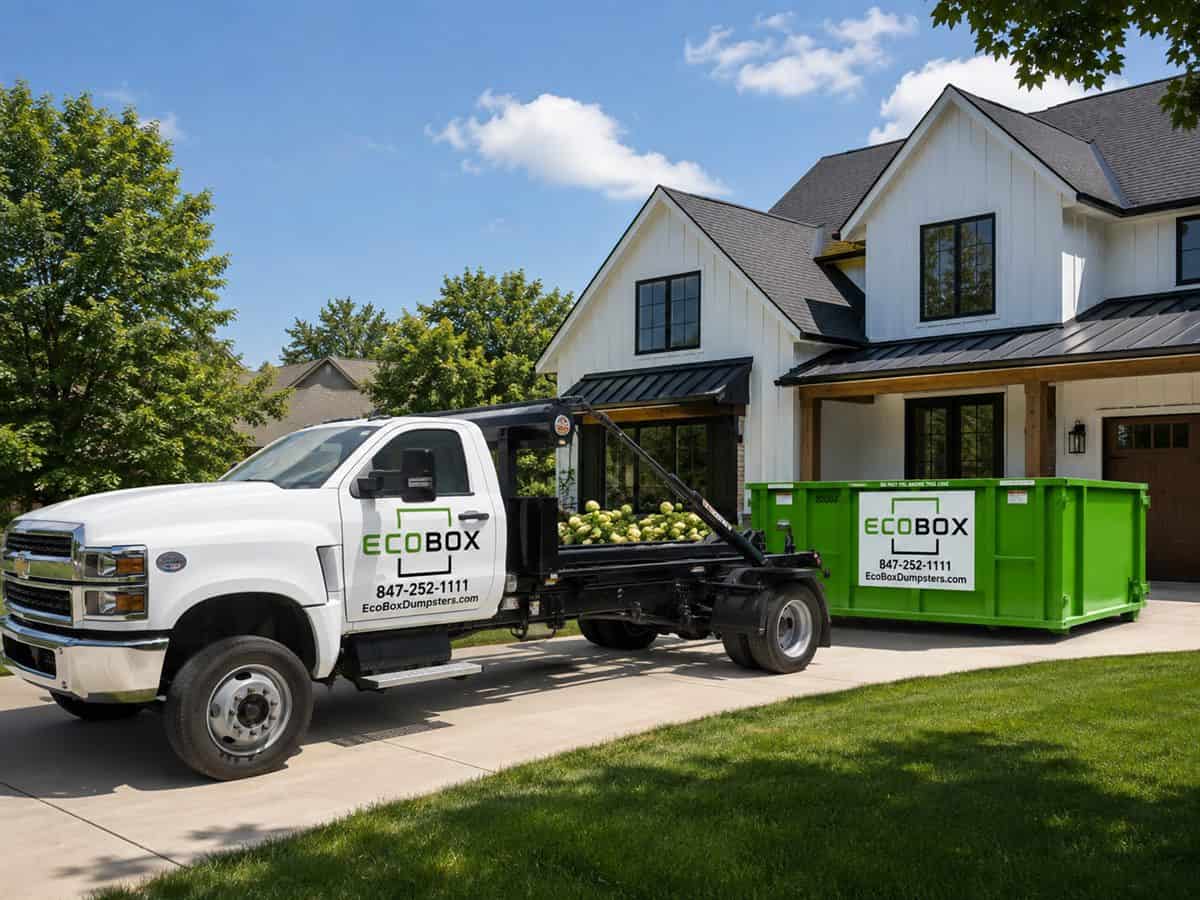
Size selection determines whether a project stays on budget or runs into surprise costs. A container that’s too small forces extra hauls; one that’s too large wastes money sitting mostly empty. Renting a dumpster that doesn’t match the job costs you money, usually as overage fees once the load goes over the included weight.
Matching the container to the job takes a bit of planning upfront. EcoBox Dumpsters helps homeowners and contractors pick the right size and get delivery scheduled without back-and-forth confusion. Customers rent for everything from small garage cleanouts to large-scale renovation and construction work. Sizing recommendations account for a wide range of debris types and volumes.
What Dumpster Size is Recommended for Home Renovations and Construction?
Kitchen remodels, bathroom tear-outs, and single-room renovations typically generate moderate debris volume with mixed weight materials like drywall, tile, and cabinetry. A mid-range container usually handles these projects without leftover space going to waste. Larger whole-home renovations or additions call for bigger capacity to avoid a second rental trip.
How Do I Avoid Picking the Wrong Dumpster Size? Key Tips
Follow these steps before booking:
- List every material type you expect to remove, including heavy debris like concrete or roofing shingles.
- Estimate rough volume by room count or square footage.
- Ask about the included weight for your container size, since heavier materials use it up faster than volume alone suggests.
- Call a local provider familiar with your area’s housing stock and typical project scope.
Because EcoBox operates across Lake County and Northern Cook County, size guidance reflects the region’s common housing types and renovation patterns. That local knowledge, paired with clear conversation about your project scope, helps you avoid extra charges and sidestep the guesswork that leads to costly mismatches. Following these tips to avoid fees at the sizing stage protects your budget before the dumpster ever arrives on-site.
Comprehensive FAQ: Dumpster Rental Fees, Compliance, and Best Practices
What causes dumpster overage fees and how can I avoid them?
Overage fees occur when actual debris weight or volume exceeds what your rental agreement covers. Heavy materials like concrete, dirt, and shingles trigger this gap quickly, even in small volumes. To avoid these fees, accurately estimate your debris type and volume before booking, and communicate openly with your rental provider.
What is included in a standard flat-rate dumpster quote?
A flat rate covers delivery, pickup, a standard rental period, and disposal of the included weight. Extra charges apply if you exceed the included weight, dispose of prohibited materials, extend rental days beyond the agreement, or if pickup is blocked or inaccessible.
How can I ensure my dumpster rental complies with local waste and permit regulations?
Before renting, check local municipal requirements for dumpster placement permits and banned materials. Permits are your responsibility; EcoBox does not obtain or apply for them.
What steps should I take to prepare for dumpster delivery at my home or business?
Measure your driveway width and overhead clearance, estimate debris volume and types, discuss your project timeline with your provider, and confirm any permit needs. Clear communication and preparation reduce delays and extra fees.
Who should I contact if I have questions about my dumpster rental or local regulations?
Contact EcoBox Dumpsters directly via their website or customer service line. They can explain pricing and offer sizing advice tailored to your project’s needs; for permit rules, check with your municipality.
Are there common prohibited items that can cause extra fees or service refusal?
Yes. Hazardous wastes, chemicals, electronics, batteries, and certain appliances are typically banned. Including these can cause fines or extra charges and may also require special disposal services.
Related reading
- Junk Removal vs. Dumpster Rental Cost Breakdown for Illinois Cleanouts
- Understand Dumpster Rental Costs | Transparent Pricing from Ecobox Dumpsters
- Request a Dumpster Rental Quote Today for Fast Service
More on this: what the price covers, current pricing, find the right size, or talk to us about your project.
More on this: the 10-yard container roofing debris goes in, construction dumpster rental, commercial dumpster rental.