
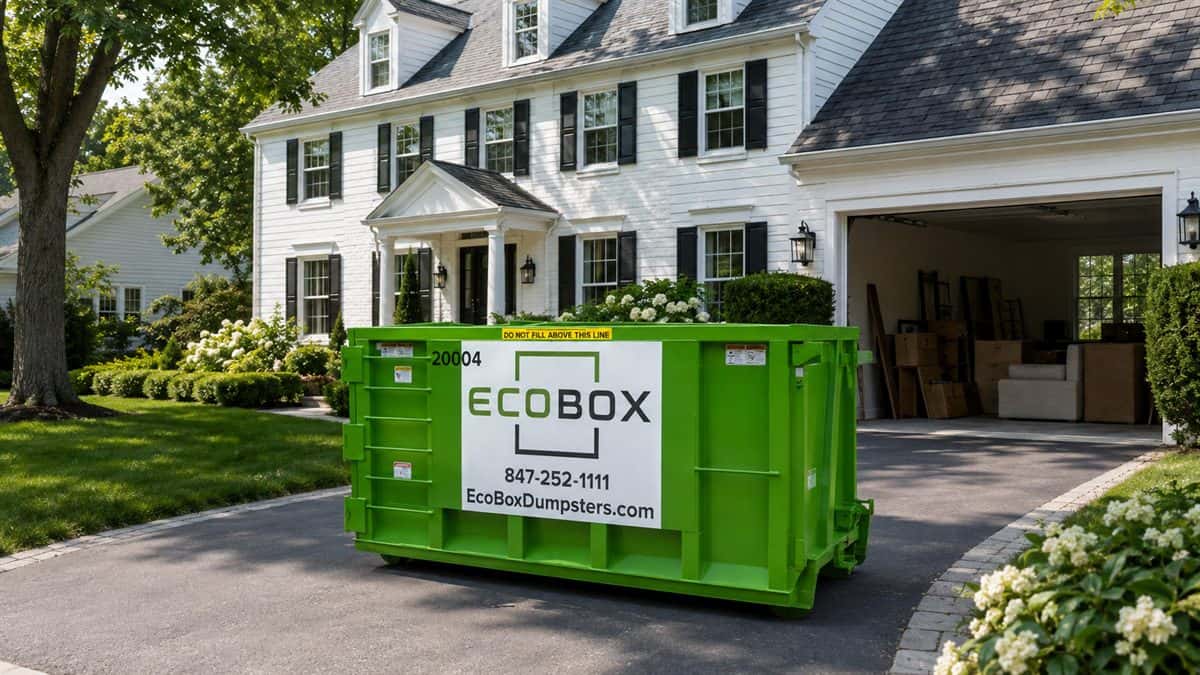
A spring garage reset is one of the easiest ways to make your home feel bigger and calmer. After months of cold weather in North Chicago, garages often end up packed with holiday décor, sports gear, broken tools, and random boxes that no one wants to open. It gets harder to find what you need, and sometimes it is not even safe to walk through.
Spring is a natural time to clear things out, let in fresh air, and set your home up for the rest of the year. A clean garage can help you park inside again, make room for hobbies, and keep kids’ gear easy to grab. It can also make your home feel more organized and even more appealing if you are thinking about selling someday.
Using a driveway-safe garage cleanout dumpster keeps the whole project simple. Instead of making trip after trip to the landfill or transfer station, you toss items once and stay focused. A set rental window also gives you a clear deadline so the project actually gets done instead of dragging out for weeks.
We know how much space and driveway layout matter in Northeastern Illinois neighborhoods, from tight North Chicago blocks to wider North Shore driveways. In this guide, we will walk through how to plan your cleanout, choose a driveway-safe dumpster, sort smarter, and keep your garage under control long after the container is gone.
A little planning goes a long way. Before any boxes move, take a few minutes to map out your weekend.
Start by choosing the right time. In our area, spring can mean sunny afternoons, light rain, or a surprise snow. Try to:
Next, decide what you want your garage to do for you. Ask yourself: Do you want to park a car inside again? Make space for bikes? Set up a small workshop, home gym, or storage wall?
Then divide the garage into simple zones, such as:
As you empty each zone, set up four clear staging categories:
This keeps decisions quick and stops items from wandering back inside by accident.
Make your plan realistic. Many homeowners like to break the project into half-day chunks:
Before you start, gather simple supplies like work gloves, labels, a permanent marker, clear bins, contractor bags, and tarps in case the weather turns. Planning around the dumpster delivery and pickup helps you keep momentum and keeps piles from sitting in the driveway for weeks.
The right garage cleanout dumpster makes your project smoother and safer for your property.
For a light cleanout, where you are mostly organizing and tossing a few broken items, a smaller roll-off dumpster can be enough. If you are doing a bigger purge, with old furniture, shelving, or leftover remodeling debris that has been sitting for years, a mid-sized container often makes more sense. When in doubt, it helps to give a quick description of what you are tossing so the right size can be suggested.
Protecting your driveway matters, especially with concrete, asphalt, or paver surfaces common in North Chicago suburbs. EcoBox places dumpsters with its RolliSkate driveway-protection system, so the container is set down on rollers instead of being dragged. This helps reduce the chance of scratches or marks where the container sits.
Professional placement is also key. A good delivery spot should:
Most spring garage projects work well with a rental period of a few days up to about a week. That gives time to pull things out, sort carefully, and do a final sweep. When you compare that to the time, fuel, and disposal fees from multiple DIY trips, a dumpster often feels much easier and less stressful.
Clear guidance on what can go in, how much weight is included, and what is not allowed keeps your bill simple and helps you avoid surprise issues.
Once the dumpster is in place, it is time to sort with a plan. Work in sections so you do not feel overwhelmed. Pull items out of one zone, then immediately sort into your four piles: keep, donate, recycle, and toss. Try not to create a fifth pile called “decide later.” Quick choices keep you moving.
Having the garage cleanout dumpster right there is a big help. Heavy, broken, or clearly useless items can go straight into the container. That opens up floor space and makes it easier to move around.
It often makes sense to start with the most cluttered or heaviest zone first, like old building materials or stacked mystery boxes. Once those are out of the way, everything else feels easier.
Many common garage items can go into a dumpster, such as:
Some things usually need special handling, like paint, solvents, automotive fluids, and certain electronics. Local rules in Northeastern Illinois can affect what is allowed. It is always smart to check the current guidelines so you stay within local regulations.
If you want to be more eco-friendly, try to:
Thoughtful sorting helps cut down on landfill waste while still clearing your space in a big way.
Once the dumpster is picked up and the floor is clear, this is your chance to set up a layout that actually works long term.
Focus on simple, easy-to-use storage:
Use clear, labeled bins so you can see what is inside. Group items by activity, like sports, holidays, lawn and garden, or travel. Put everyday items near the door into the house. Place rarely used gear higher up or farther back.
To keep clutter from creeping back in, set small habits:
A clean, organized garage makes future projects much easier, from planting the yard to small home upgrades. Many homeowners like to snap a few photos of the finished space so they can see when things start to get off track and reset quickly.
Once you know how smooth a project can be with a driveway-safe dumpster, it is easier to plan the next round, whether that is the basement, attic, or a small remodel. A clear system, a smart plan, and the right container can help your garage stay useful and calm year after year.
Take the stress out of your cleanout by letting EcoBox Dumpsters handle the hauling. Reserve a garage cleanout dumpster sized for your clutter so you can focus on sorting, not driving to the landfill. We offer straightforward pricing, flexible rental periods, and scheduled delivery and pickup. If you have questions or need help choosing a size, just contact us and we will walk you through your options.
More on this: residential rentals, current pricing, or talk to us about your project.
More on this: construction dumpster rental, what can go in a dumpster, request a pickup, swap or extension.