
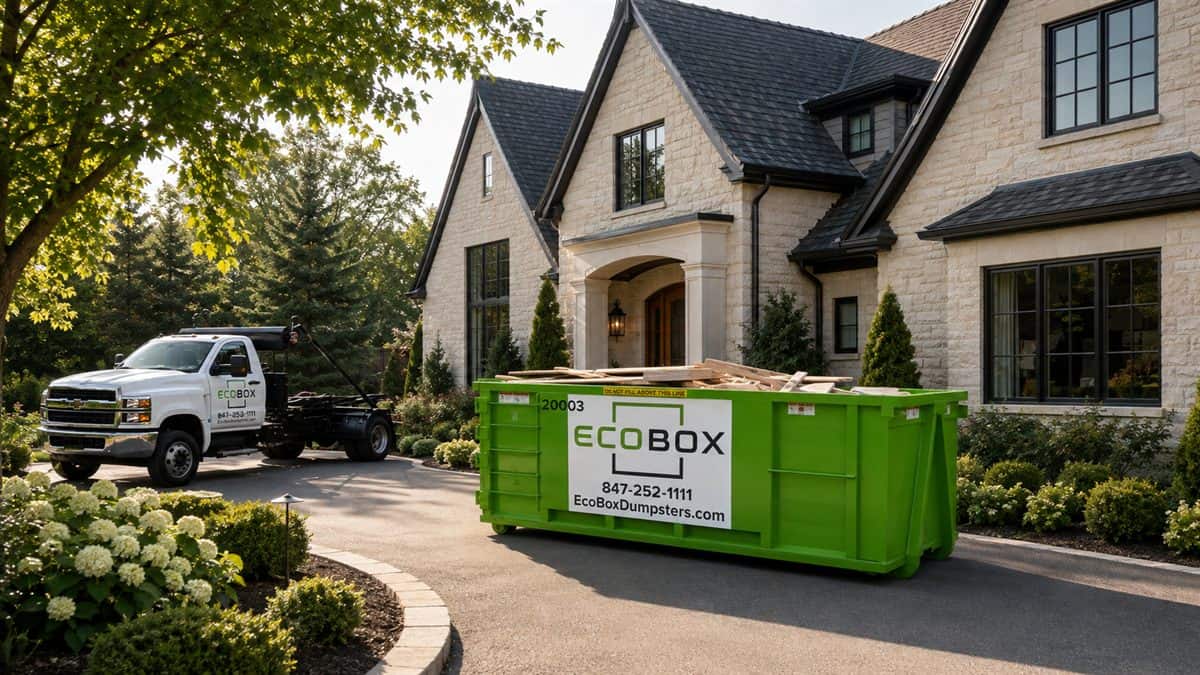
Home renovations feel exciting until the mess starts. Dust, old cabinets, broken tile, and random piles of junk can spread from the work zone into your garage, driveway, and living spaces fast. When that happens, stress goes up, and it feels like the project is taking over your whole home.
A simple residential dumpster rental plan can calm a lot of that chaos. When you plan for debris before the first hammer swing, you get a cleaner work area, fewer surprises, and a safer space for your family. Instead of guessing where all the trash will go, you have a clear, easy system in place from day one.
A dumpster is more than a big metal box for garbage. It is a planning tool that helps protect your driveway, control clutter, and keep your project moving. With a local partner that understands North Chicago and the surrounding communities, you can manage debris in a way that fits your property and your goals for a cleaner home.
Many homeowners think about paint colors and tile patterns first, and the trash pile last. But waste removal affects almost every part of a renovation. When you handle it upfront, the whole project feels smoother and less stressful.
A good dumpster plan helps you avoid:
Planning your residential dumpster rental early also helps keep your project on schedule. When the container is there on demolition day, the crew can work faster and cleaner. You are less likely to hit delays because debris is blocking paths, filling rooms, or waiting in piles for someone to load a truck.
A dumpster fits right beside other key planning steps like permits, material orders, and contractor schedules. By picking dates for delivery and pickup, you anchor your renovation timeline and reduce guesswork. That kind of structure can turn a stressful project into a more predictable experience, especially during busy seasons when many homes in Northeastern Illinois are being updated at the same time.
Not every project needs the same size or type of dumpster. Right-sizing your container helps you avoid paying for more space than you need, while still giving you enough room for all the debris.
Here are some common home projects and how they often match with dumpster needs:
When picking a container, think about:
Residential properties also need protection for surfaces. Driveway-safe containers and careful placement help protect concrete, pavers, and nearby turf. A well-placed dumpster should be close enough for easy loading but not block garage doors, walkways, mailboxes, or everyday parking spots your family needs.
A dumpster is most helpful when it shows up at the right time and in the right spot. That comes from simple planning, not guesswork. Think about when the bulk of your debris will appear, then work backward.
Good timing often means:
Placement matters just as much. A few smart choices can prevent hassles for you and your neighbors. When deciding where the dumpster should go, look at:
A local team that knows the area can suggest safe, convenient spots that keep your daily routine moving. That way, school runs, work commutes, and deliveries stay on track while the renovation moves forward.
Once your dumpster is on-site, how you load it affects how much it holds and how safe the area stays. A little strategy goes a long way.
To get the most from your residential dumpster rental, try to:
Safety is just as important as space. Spread heavy items throughout the container instead of dropping everything in one corner. Never fill past the marked fill line, since overfilling can create unsafe loads. Some materials are restricted by local rules in Northeastern Illinois, so plan to keep hazardous items out of the dumpster and handle them another way.
Careful loading helps you avoid needing a second container or an early swap. That keeps your budget in line and prevents new delays late in the project when you want to be cleaning up, not waiting on another bin.
Renovations create a lot of waste, but that does not mean everything has to end up in a landfill. Clean, separated materials can sometimes go to a local recycler instead of the dumpster.
Many common renovation materials can often be taken to recycling or recovery centers, depending on local options. These can include:
Homeowners can support greener practices by keeping clearly recyclable materials as clean as possible and not mixing them with paint, chemicals, or other hazardous waste. Avoid putting banned items in the dumpster so the load can be processed correctly downstream.
Working with a local residential dumpster rental provider lets you focus on your project. Your home gets its fresh new look, and you can feel better about how you handled the debris.
Before your next renovation begins, take a few minutes to map out a basic dumpster plan. Think about project phases, estimated debris volume, when demolition will start, and where a container can sit without disrupting daily life. Write down target delivery and pickup dates that line up with your contractor schedule.
EcoBox Dumpsters is based in North Chicago and understands how local homes, driveways, and neighborhoods work. A quick conversation about size and timing can turn debris from a constant headache into a simple, managed part of the job, so your renovation feels cleaner, calmer, and easier from start to finish.
If you are ready to clear out clutter or prep for a remodel, we can help you choose the right dumpster size and schedule for your home. Explore our residential dumpster rental options to get straightforward pricing and fast delivery from EcoBox Dumpsters. Have questions or need a custom recommendation for your timeline or budget, just contact us and we will walk you through the next steps.
More on this: residential rentals, current pricing, or talk to us about your project.
More on this: the 10-yard container roofing debris goes in, construction dumpster rental, who is responsible for a dumpster permit.