Sustainable Waste Disposal in North Chicago: EcoBox Dumpsters
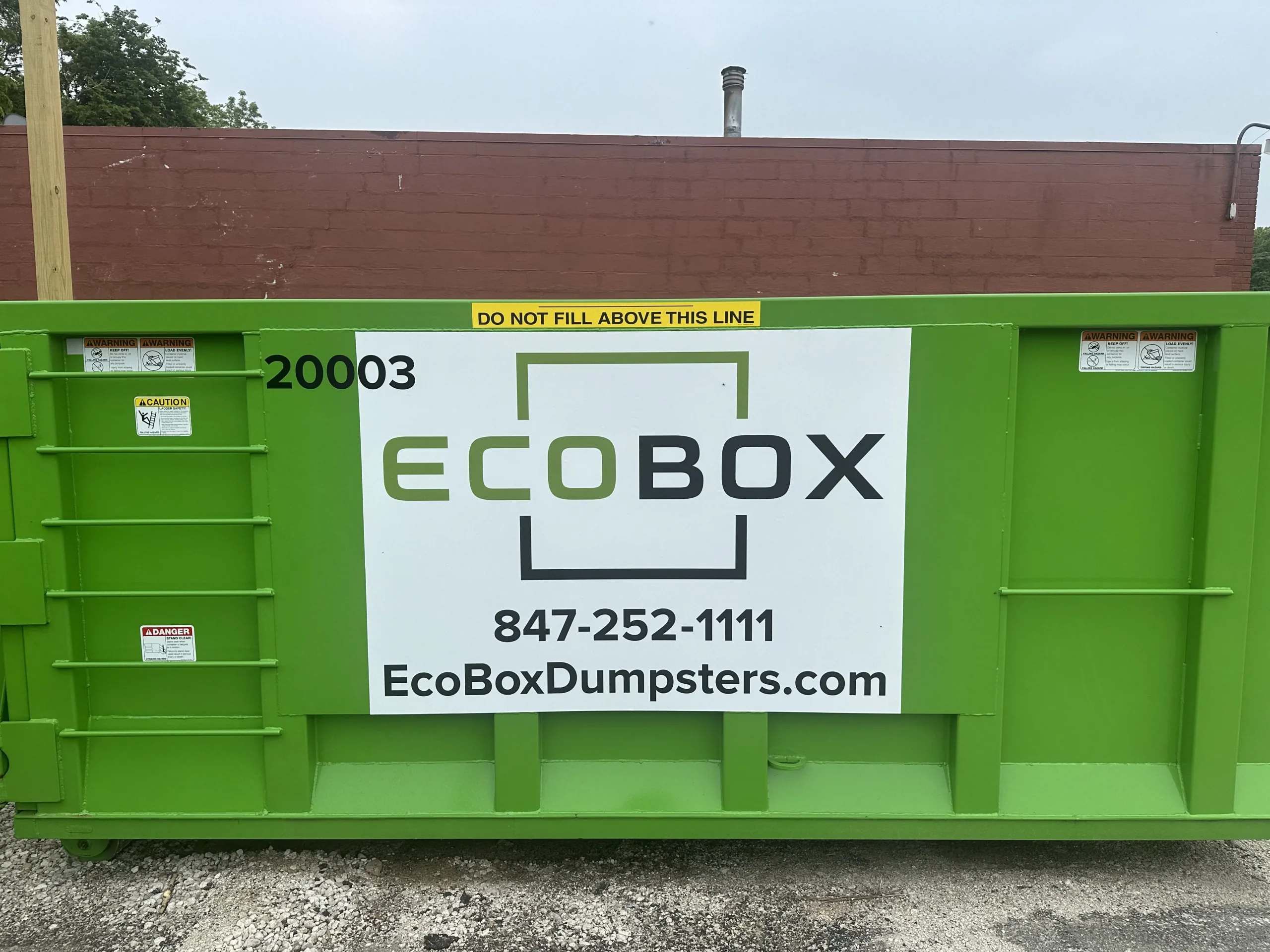
Eco-Friendly Disposal Guide for North Chicago by EcoBox Dumpsters
By Linda Ceja, EcoBox Dumpsters
Managing construction debris and yard waste poses significant challenges for both homeowners and construction companies in North Chicago. Understanding how to responsibly dispose of these materials not only aids in keeping communities clean but also protects the environment. This comprehensive guide provides practical insights and eco-friendly methods for disposing of construction debris and yard waste effectively, highlighting the importance of compliance with local regulations. By focusing on sustainable disposal practices and the role of dumpster rentals, readers will learn how to manage their waste efficiently while minimizing their ecological footprint.
The guide will cover various aspects, including the best practices for sustainable waste management, the types of dumpster rental options available, and the materials accepted in recycling programs. Additionally, we will explore the benefits of using eco-friendly disposal services and the recent municipal mandates regarding construction waste recycling in Illinois.
Guide to Managing Construction Debris and Yard Waste in North Chicago
Effective management of construction debris and yard waste requires a strategic approach to ensure compliance with local regulations and environmental standards. It involves understanding what constitutes construction debris, which typically includes materials such as wood, drywall, concrete, bricks, metal, and other discarded items from building projects. Yard waste encompasses organic materials like leaves, branches, grass clippings, and other garden-related debris.
Engaging local community resources and keeping informed about available disposal options are essential steps in this process. Being proactive in managing waste not only benefits the environment but also supports the community in maintaining a clean and healthy living space. Moreover, following eco-friendly disposal practices aligns with local regulations and promotes sustainability efforts.
Eco-Friendly Disposal Methods
Choosing eco-friendly disposal methods is crucial for minimizing the environmental impact of construction and yard waste. Here are some effective strategies:
- Recycling Initiatives: Collaborating with local recycling facilities helps ensure that recyclable materials are processed correctly. Commonly recyclable materials include metals, wood, and concrete, which can be reused in new construction projects.
- Responsible Disposal Methods: Utilize designated disposal sites that comply with local environmental regulations. This prevents hazardous materials from entering landfills and reduces the overall ecological footprint of waste management.
- Partnerships with Local Facilities: Form partnerships with community waste management services that offer eco-friendly disposal options. This could include programs specifically targeting the recycling of construction materials or yard waste.
Implementing these methods not only aids in reducing waste but fosters community responsibility in maintaining local ecosystems.
Role of Dumpster Rental Options
Utilizing dumpster rental services can streamline the disposal process of construction debris and yard waste. They offer several advantages, making waste management easier and more efficient.
Rental Benefits
- Variety of Dumpster Sizes: Various dumpster sizes are available, including 10-yard, 15-yard, and 20-yard dumpsters, allowing flexibility based on project volume. For example, a 10-yard dumpster costs approximately $300 and is ideal for small cleanouts, while a 20-yard dumpster, suitable for larger projects, costs around $400.
- Easy Booking and Scheduling: Dumpster rental services typically provide easy online booking systems, enabling users to schedule pickups at their convenience. This efficiency saves time and reduces project downtime.
- Tips for Yard Waste Management: These services often include guidelines on how to separate yard waste effectively, ensuring that organic materials are composted or recycled appropriately.
Integrating dumpster rentals into waste management strategies simplifies the process and enhances compliance with environmental standards.
Best Practices for Sustainable Waste Management
To maximize efficiency in waste management, it is important to adhere to best practices that facilitate sustainable disposal:
- Planning and Assessment: Conduct thorough assessments before starting construction projects to estimate the volume of waste and plan accordingly for disposal needs.
- Sorting Materials for Recycling: Implement sorting practices on-site, categorizing materials that can be recycled or reused. This practice not only reduces landfill waste but also allows for better recycling rates.
- Understanding Local Regulations: Familiarize oneself with local waste disposal regulations to ensure compliance and avoid potential fines. Awareness of these regulations promotes responsible waste management.
By adopting these best practices, individuals and companies can significantly impact waste reduction and environmental sustainability.
What Are the Best Eco-Friendly Dumpster Rental Options in North Chicago?
North Chicago offers various eco-friendly dumpster rental options to facilitate sustainable waste disposal. Companies in the area provide competitive pricing and specialized services catering specifically to construction projects and yard waste.
- EcoBox Dumpsters: Known for their commitment to environmentally friendly practices, EcoBox offers a range of dumpster sizes including the popular 10-yard, 15-yard, and 20-yard options. Each can be tailored to suit specific disposal needs, ensuring that waste is handled responsibly.
- Sustainable Practices: Many rental companies emphasize recycling and proper waste management solutions, ensuring that recycled materials are diverted from landfills. This emphasis on sustainable practices aligns with community goals for ecological health.
- Competitive Pricing: The pricing structure remains straightforward, with the 10-yard dumpster rental starting at $300, the 15-yard at $350, and the 20-yard option at $400, making these eco-friendly choices accessible for various budgets.
These businesses reflect a growing trend towards sustainability, providing residents and contractors with the tools necessary to manage their waste responsibly.
Which Dumpster Sizes Suit Construction Debris and Yard Waste?
When choosing a dumpster for your construction or yard waste, it is crucial to select an appropriate size to meet project demands.
- 10-Yard Dumpster: Ideal for small cleanouts or minor renovations, accommodating roughly three pickup truck loads.
- 15-Yard Dumpster: Suitable for medium-sized projects such as interior remodels, holding about 4.5 pickup truck loads.
- 20-Yard Dumpster: Best for larger construction jobs, this size can handle approximately six pickup truck loads of debris.
Matching the dumpster size to the specific needs of the project enhances efficiency and ensures compliance with disposal regulations.
How Can You Sustainably Dispose of Construction Debris in North Chicago?
Sustainable disposal of construction debris in North Chicago involves utilizing local recycling programs and understanding relevant regulations. This approach serves both ecological and community interests.
Proper disposal starts with recognizing local recycling facilities that accept construction debris. These facilities often list accepted materials, which typically include wood, metals, and concrete. Properly sorting and delivering these materials can significantly reduce the ecological footprint associated with the disposal of construction waste.
Additionally, being aware of regulations concerning the disposal of hazardous materials, such as paints and chemicals, ensures compliance with local laws and promotes responsible community practices.
What Materials Are Accepted in Local Construction Debris Recycling Programs?
Local recycling programs in North Chicago accept a variety of construction debris:
- Wood and Timber: Various types of wood can be recycled or repurposed, provided they are free from hazardous coatings such as paints and stains.
- Metals: Steel, aluminum, and other metals can be recycled and repurposed in new products, promoting circular economy practices.
- Concrete and Bricks: Many recycling facilities accept crushed concrete and bricks, which can then be used as aggregate in new construction.
These materials play a significant role in reducing landfill usage and promoting sustainable construction practices.
Which Eco-Friendly Methods Ensure Compliance with Illinois Regulations?
Compliance with Illinois regulations for waste disposal is crucial for all residents and businesses involved in construction and yard waste management. Some eco-friendly methods include:
- Utilizing Certified Recycling Facilities: Ensure all debris is taken to certified recycling centers that comply with state requirements for environmental protection.
- Following Local Disposal Guidelines: Adhere to specific local waste management guidelines regarding the disposal of hazardous materials.
- Engaging in Community Programs: Participate in local initiatives aimed at enhancing waste management practices, such as community clean-up days.
By employing these methods, residents can ensure that their disposal practices align with Illinois regulations while fostering a cleaner environment.
What Are Effective Yard Waste Disposal Options for North Chicago Residents?
North Chicago residents have various options for effectively managing yard waste:
- Composting: Home composting provides an eco-friendly way to recycle organic matter, turning it into nutrient-rich soil.
- Bulk Yard Waste Pickup: Regularly scheduled bulk yard waste pickups offered by local services provide an easy way to dispose of larger quantities of leaves and branches.
- Drop-Off Services: Local facilities often accept yard waste drop-offs, giving residents more control over their waste disposal.
Utilizing these services ensures responsible management and recycling of organic waste in the community.
How Does Bulk Yard Waste Pickup Work in North Chicago?
Bulk yard waste pickup in North Chicago operates through a scheduled service provided by local waste management companies. Residents typically need to arrange for pickups in advance, with specific guidelines regarding collection dates and acceptable materials resting upon the municipality’s regulations.
Residents are encouraged to adhere to guidelines regarding how the yard waste should be prepared, ensuring materials are bundled or bagged appropriately for collection. This process plays a vital role in maintaining a clean and sustainable community environment.
Why Choose Eco-Friendly Yard Waste Hauling Services?
Eco-friendly yard waste hauling services offer numerous benefits to customers looking to manage their waste responsibly:
- Sustainability Benefits: These services prioritize recycling and composting, helping to reduce landfill usage.
- Cost-Effectiveness of Recycling: By diverting materials from landfills, customers may find that utilizing green services may reduce their overall disposal costs.
- Local Providers with Eco-Friendly Practices: Choosing local hauling services supports community businesses that focus on sustainable practices, fostering positive environmental impacts.
By selecting eco-friendly options, residents contribute not only to their immediate community’s cleanliness but also to broader environmental sustainability.
How Do Green Construction Waste Programs Benefit North Chicago Communities?
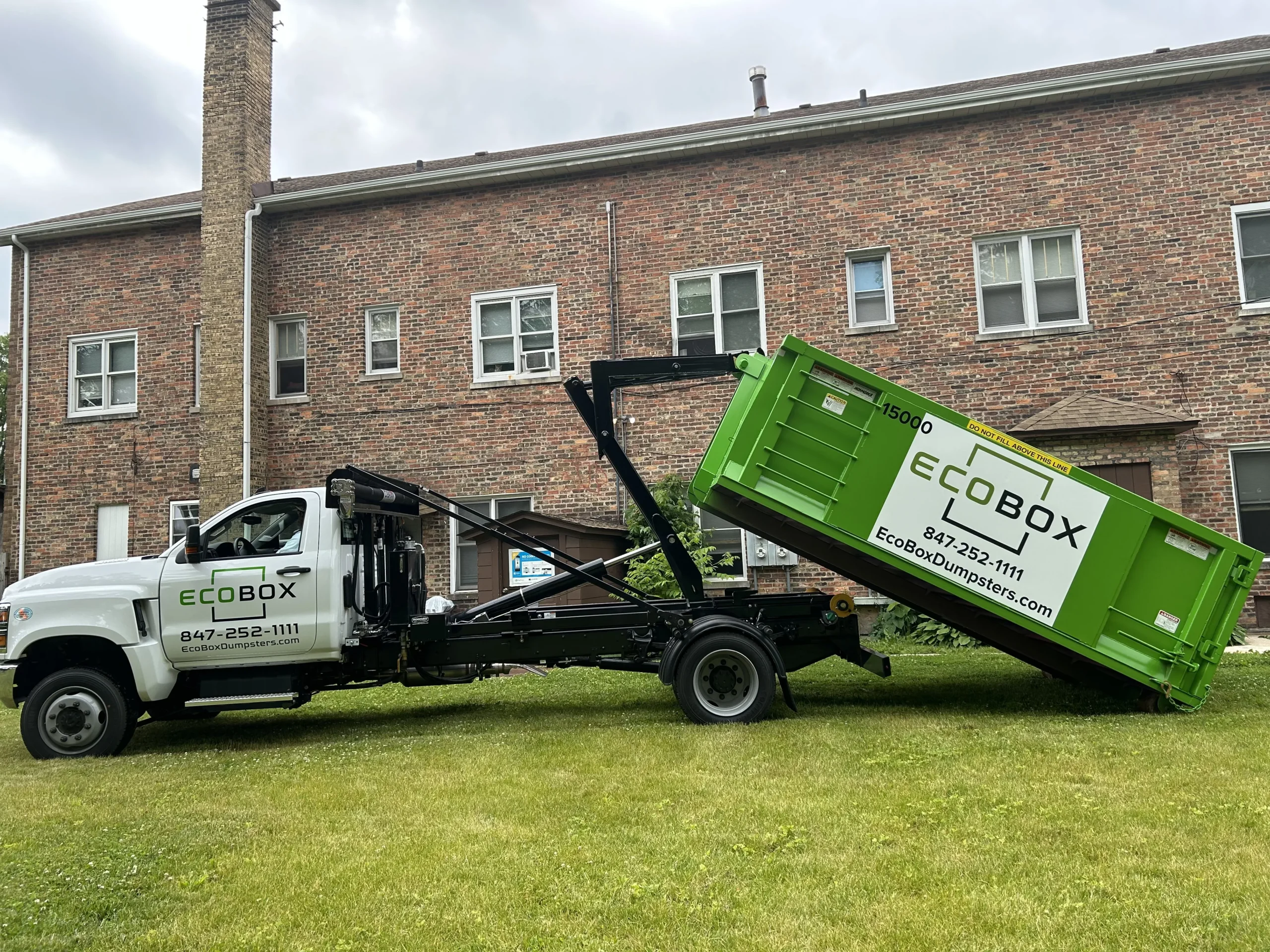
Green construction waste programs provide several advantages for the communities in North Chicago. These programs encourage recycling and responsible waste disposal, facilitating a circular economy model that reduces resource consumption and waste.
- Environmental Benefits: Through waste reduction efforts, communities can enjoy cleaner environments and improved public health.
- Economic Advantages: Communities that engage in sustainable waste practices often experience financial benefits through reduced disposal costs and potential tax incentives for green practices.
- Improvement of Community Health: Cleaner environments enhance public health, leading to reduced sickness and promoting overall well-being for residents.
These community efforts demonstrate the significant impact that eco-friendly construction waste programs can have on local environments and economies.
What Are Recent Municipal Mandates on Construction Waste Recycling?
In response to growing environmental concerns, North Chicago has implemented several municipal mandates concerning construction waste recycling. These regulations aim to enhance recycling rates and reduce the amount of waste sent to landfills.
- Mandatory Recycling Goals: Local mandates require a percentage of construction waste be recycled, pushing contractors to comply with eco-friendly disposal practices.
- Reporting Requirements: Contractors must report the amount and types of materials recycled to local authorities, ensuring accountability for waste management practices.
- Incentives for Compliance: Municipalities may offer incentives or lower fees for companies that adhere to recycling guidelines effectively.
These regulations reflect a commitment to sustainability and the importance of recycling in construction.
How Do Case Studies Illustrate Sustainable Disposal Success?
Numerous case studies illustrate the success of sustainable waste disposal practices in construction. These examples showcase how effective waste management contributes to both environmental protection and community development.
- Local Project Success: One case study involved a construction project where 90% of waste was recycled, leading to a significant reduction in landfill usage.
- Community Engagement: Projects that incorporated community input not only succeeded in waste reduction but also increased local support for future environmental initiatives.
- Innovative Recycling Techniques: Implementing advanced recycling techniques, such as deconstruction practices, has proven effective in managing waste sustainably while recovering valuable materials.
These case studies serve as models for future projects, demonstrating the tangible benefits of advocating for sustainable disposal practices in the construction industry.
Which Local Regulations Govern Eco-Friendly Waste Disposal in Illinois?
Local regulations in Illinois dictate the standards for eco-friendly waste disposal. These guidelines are essential for ensuring compliance and promoting environmental sustainability.
- Waste Disposal Guidelines: Regulations specify acceptable materials for disposal and require proper sorting of recyclables.
- Environmental Protection Standards: Stringent measures are in place to protect local environments from contamination and pollution.
- Monitoring and Enforcement: Local authorities actively monitor waste disposal practices and enforce regulations, ensuring that residents and businesses adhere to eco-friendly disposal methods.
Understanding these regulations is crucial for anyone involved in construction or yard waste management, as it ensures compliance and encourages environmentally responsible behavior.
How to Book and Use Eco-Friendly Dumpster Rental Services in North Chicago?
Booking eco-friendly dumpster rental services is a straightforward process that supports responsible waste management practices.
- Steps for Booking a Dumpster: Customers can visit rental websites or call to inquire about available dumpster sizes, pricing, and terms.
- Effective Waste Management Tips: When utilizing dumpster services, it is essential to understand what materials are accepted, how to properly load the dumpster, and follow guidelines for sorting recyclable materials.
- Pricing and Scheduling Information: The standard rental period is typically up to 7 days, with extensions available for an additional $15 per day. Costs vary based on size, with options available to fit different project needs.
By following these steps, customers can efficiently book dumpster rentals while ensuring compliance with local waste management requirements.
What Are Simple Steps to Reserve a Dumpster for Construction and Yard Waste?
Reserving a dumpster for construction and yard waste is a simple process when following these straightforward steps:
- Choosing the Suitable Dumpster Size: Assess the project’s requirements and select an appropriate dumpster size based on estimated waste volume.
- Clarifying Local Permit Requirements: Check if local permits are required for the rental, especially for larger jobs, to ensure compliance with municipal laws.
- Establishing Rental Terms and Conditions: Review rental agreements carefully to understand pricing, rental periods, and any potential extra fees.
By following these guidelines, individuals can successfully reserve a dumpster and streamline their waste disposal process.
How Do Customers Prepare Waste for Responsible Pickup and Recycling?
Preparing waste for pickup and recycling is essential for ensuring effective waste management.
- Sorting Waste Before Loading: Customers should separate recyclable materials from non-recyclables to avoid contamination.
- Understanding Accepted Materials: Familiarizing oneself with what materials are accepted in the recycling program aids in proper disposal practices.
- Scheduling Timely Pickups: Coordinating with waste management services to schedule pickups ensures that waste is cleared promptly and efficiently.
These steps help foster a responsible approach to waste disposal and assist in maintaining clean communities.
What Are Frequently Asked Questions About Sustainable Dumpster Rentals?
Sustainable dumpster rentals bring up many questions that can help customers make informed decisions.
- Available Sizes and Prices: Customers can inquire about different dumpster sizes, such as 10-yard ($300), 15-yard ($350), and 20-yard ($400), to find one that suits their needs.
- Rental Duration Details: Most rentals are available for up to 7 days, with extensions available for an additional fee of $15 per day.
- Accepted and Prohibited Waste Materials: Knowing what can and cannot be disposed of in dumpsters helps avoid fines and ensures compliance with local regulations.
Addressing these questions promotes a better understanding of sustainable dumpster rentals and their role in waste management practices.
Which Items Are Prohibited from Eco-Friendly Dumpsters?
Certain items are prohibited from disposal in eco-friendly dumpsters, ensuring compliance with local regulations.
- Hazardous Materials: Items like paint, batteries, and chemicals fall under hazardous waste and must be disposed of through designated facilities.
- Electronics: Many jurisdictions have specific recycling programs for electronic waste, which should not be included in regular dumpster rentals.
- Medical Waste: Sharps and other medical waste require special handling and cannot be disposed of in regular dumpsters.
Understanding these restrictions is essential for maintaining compliance and ensuring that waste is disposed of responsibly.
How Are Pricing and Rental Periods Typically Structured?
Pricing and rental periods for dumpster services are generally structured to provide customers with flexibility and transparency.
- Structure of Pricing Based on Size: Rental prices vary based on the size of the dumpster, with larger sizes costing more due to their increased capacity.
- Duration of Rental and Extensions: Standard rental periods are typically up to 7 days, with options to extend for additional fees, ensuring customers can complete their projects without rushing.
- Factors Influencing Pricing: Pricing may also depend on the type of waste, geographic location, and any additional services, such as same-day delivery.
Understanding this pricing structure helps customers make informed decisions and select the best dumpster rental options for their needs.