
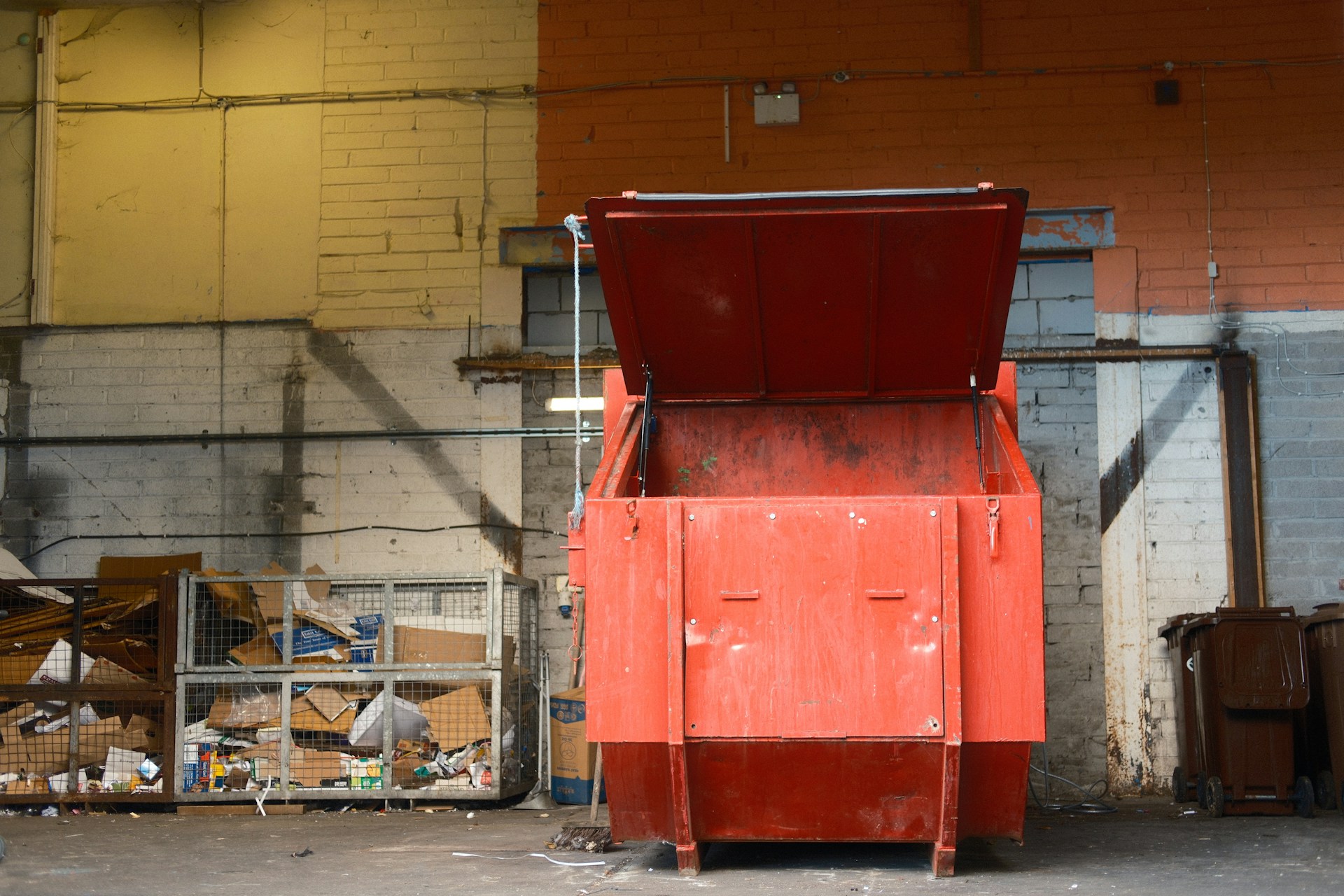
Tight driveways and alleys are part of daily life across Northeastern Illinois. Many homes in North Chicago, Waukegan, Evanston, and nearby suburbs sit on smaller city lots with older pavement and narrow access. When it is time for a cleanout, remodel, or roof job, fitting a dumpster into that limited space can feel tricky.
The main challenge is getting a dumpster in and out without scraping trees, catching low wires, blocking the street, or cracking your driveway. The good news is that with smart planning, even small properties can handle a dumpster safely. It comes down to delivery access, placement, and choosing the right size container.
We focus on driveway-safe dumpster-rental service with compact, shorter containers that are made for these tighter spaces. Late June and the rest of summer bring a lot of home projects in Illinois, so thinking ahead about access and container size keeps your project moving instead of waiting on a truck that cannot reach your property.
Good access planning starts before the truck ever turns onto your block. A few minutes of prep can prevent delays and help the driver place your dumpster on the first try.
Think about:
Start with how the truck will get in. Roll-off trucks need room to swing wide and then back into a driveway or pad. On tight city blocks or cul-de-sacs, sharp corners and parked cars can block that path.
Helpful steps for truck access:
Overhead clearance is just as important. When the driver loads or unloads the dumpster, the front of the container tilts up. Low wires or branches can get in the way.
Walk the route from the street to the planned placement spot and look up. Watch for:
If you spot anything close, take a few photos from different angles. Sharing those photos with the rental team before you schedule helps them decide if the truck can safely raise and lower the container.
Next, think about the surface and slope. Steep driveways, rutted gravel, or soft ground after a heavy summer rain may not support the weight of a dumpster and truck.
To keep things safe:
Driveway-safe dumpster rental often includes ways to protect the surface, like boards under the container to spread the weight. That is especially helpful on older concrete and warm asphalt that can soften in hot weather.
Once the truck can reach you, the next step is choosing the exact spot for the dumpster. On a tight property, a few feet in one direction can make a big difference.
Ideal spots usually include:
Think about how you will use your property while the dumpster is there. You may want to keep access to:
Most roll-off containers have a rear door that swings open. If you plan to walk large items in, make sure there is space for that door to swing without hitting a wall, fence, or parked car.
For alley placement, you also need to think about:
Protecting your driveway and yard is a key part of driveway-safe dumpster rental. Smaller, lighter containers are easier on residential pavement. Placing boards or plywood under the rails of the dumpster adds another layer of protection, especially on hot days when asphalt softens. Mark any sprinkler heads, decorative curbs, or fragile edging so the driver can clearly see what to avoid.
Some Illinois neighborhoods and HOAs have rules about visible dumpsters, especially if the container will sit partly on the street. Before delivery, it helps to:
Keeping debris inside the container and not piled around it also goes a long way toward keeping everyone happy.
On a small lot, the size and style of the dumpster matters just as much as the placement. Shorter, compact containers are usually the best match for tight Illinois properties.
Low-profile, driveway-safe dumpsters help you by being:
A compact footprint allows you to keep part of your driveway or lot open for parking while still having room to load debris.
Different projects call for different sizes. On tight residential lots, common choices include:
Right-sizing your dumpster helps in two ways. You are not paying for unused space, and you are less likely to end up with a container that simply does not fit.
You can also fit more into a smaller container with a little planning. Try these space-saving tips:
With smart loading, many mid-sized summer projects can be handled with a smaller container that works with your limited space instead of fighting against it.
Home cleanouts, remodels, and roof work often ramp up from late June through the rest of the warm season across Northeastern Illinois. That means dumpsters book up quickly, especially the compact sizes that work best on tight lots.
A few timing tips help everything go smoother:
If you are working with roofers, remodelers, or landscapers, ask them when they actually need the dumpster on site and how close it should be to their work area. On some jobs, it may make sense to schedule:
This keeps your narrow driveway clearer between phases and avoids having a large container sit unused.
Illinois weather can also affect tight-lot deliveries. Heavy summer storms can soften ground or make steep drives slick. Morning deliveries often work best, with cooler temperatures and good light for spotting low wires, branches, and obstacles. If storms or high winds are in the forecast, cover lighter debris with a tarp or close any lids to keep material from blowing out.
With some planning around access, placement, container size, and timing, even very tight Illinois lots can handle a dumpster safely and efficiently for your next project.
If you are ready to clear out clutter or tackle a renovation without damaging your property, schedule a driveway-safe dumpster rental with EcoBox Dumpsters. Our team will help you choose the right size, set up a convenient delivery window, and walk you through what can go in the bin. Have questions about timing, pricing, or placement? Just contact us and we will make sure your cleanup is simple from start to finish.