Eco-Friendly Dumpster Rental Habits for Illinois Contractors
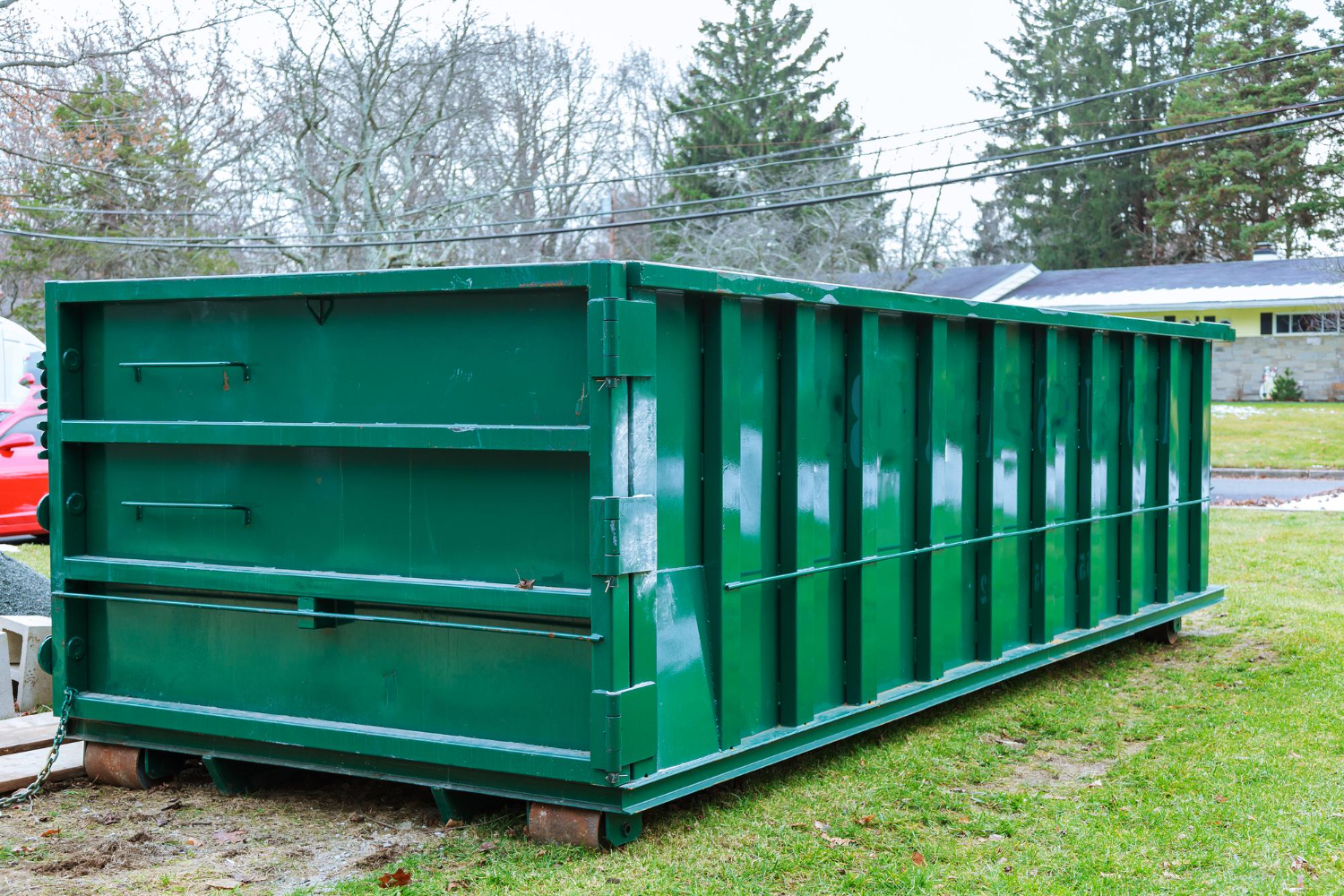
Eco-Friendly Dumpster Rental Habits for Illinois Contractors
By Linda Ceja, EcoBox Dumpsters
Cut Construction Waste While Protecting Illinois Communities
Eco-friendly dumpster rental is not just about feeling good; it is about running smarter jobs. Contractors across Illinois are under more pressure from clients, inspectors, and neighbors to keep waste under control and out of landfills when possible. When you manage debris well, you protect local streets, storm drains, and nearby homes.
The good news is you do not need to slow down a fast schedule to do better with waste. Small shifts in how crews load dumpsters, how material is sorted, and when containers are swapped can make a big difference. With a little planning, you can keep jobs moving, keep sites cleaner, and send less material to the landfill.
As a North Chicago-based dumpster provider, we work with contractors across Northeastern Illinois who deal with tight timelines, seasonal weather, and local rules. We see every day how simple habits and the right containers can support greener jobs without adding headaches.
Why Eco-Friendly Dumpster Rental Matters for Contractors
Eco-friendly dumpster rental habits are not just about the planet; they also help you win work and keep it. Many commercial bids now include sustainability language, and even homeowners ask where their waste goes. When you can show that you handle debris in a thoughtful way, you stand out.
Here is how better waste practices can help contractors:
- Stronger bids for projects with green building goals
- Better fit with LEED-style standards and local recycling rules
- Fewer problems with inspectors and neighbors over messy sites
Cleaner, better-organized dumpsters can also lower your costs over time. When crews load more carefully and sort smarter, you are less likely to:
- Pay overage fees from overfilled containers
- Haul half-empty boxes that waste fuel and time
- Lose reusable or recyclable material in general trash
There may also be local tax credits or rebate programs for recycling construction and demolition debris in some parts of Illinois. Even when there are no direct rebates, the reputational boost matters. A neat, driveway-safe dumpster on a visible site shows people that you care about their block, not just your deadline.
Smarter Jobsite Sorting That Maximizes Recycling
Recycling more construction debris starts with clear sorting. When summer work is busy and crews are racing from one task to the next, sorting only works if it is simple and obvious.
A few practical steps:
- Set up labeled ground zones for wood, metals, concrete, drywall, and general trash
- Keep these zones close to the work area so crews do not skip them
- Use colored tape, cones, or pallets so the layout is clear at a glance
If you talk with your dumpster provider before the job starts, you can plan which loads have the best chance of being recycled. In parts of Northeastern Illinois, there are facilities that accept sorted C&D materials. Planning ahead can help more of your debris head toward recycling instead of a landfill.
Crew training does not need to be long or formal. Quick toolbox talks can cover:
- Which materials belong in which container or ground zone
- What counts as contamination in a recycling load
- Who is the “materials lead” on that project to watch the loads
Simple signs in both English and Spanish can make a big difference too. When everyone on site sees the same messages, they are more likely to follow the plan, even when things get hectic.
Choosing the Right Container for Leaner Waste Streams
The type and size of dumpster you use can either help or hurt your eco-friendly goals. Compact, driveway-safe roll-off containers are a smart choice on many residential and light commercial jobs. They reduce surface damage on concrete and asphalt, which keeps property owners happier. They can also fit better on narrow city lots or tight alleys.
When a dumpster is easier to place in the right spot, crews tend to load it more carefully. They are less likely to toss everything from far away or mix materials just to reach the box. That leads to better sorting and more controlled waste streams.
Matching dumpster size and swap timing to each project phase is another big win:
- Demolition phase: heavier materials like plaster, brick, roofing
- Framing phase: lumber offcuts, banding, wrap, metal straps
- Finish phase: cardboard, plastic, trim scraps, flooring pieces
When containers are matched to what you are throwing away, you cut down on half-empty hauls and avoid sending extra trucks on the road. Fewer trips mean less fuel burned and lower emissions from hauling.
Working with a local provider also helps you adjust for seasonal conditions. In Northeastern Illinois, that might mean planning for:
- Summer storm risks and high winds around open containers
- Busy renovation periods when you expect frequent swaps
- Tight city permits that affect where and how long you can stage a bo
Seasonal Best Practices for Summer Projects in Illinois
Summer is often the busiest season for contractors across Illinois. Roofing, siding, decks, patios, and outdoor upgrades all tend to pile up. Eco-friendly dumpster rental habits can keep things under control when your schedule is packed.
For warm weather projects, it helps to:
- Plan extra dumpster capacity ahead of peak weeks
- Think about separate containers or sorting plans for roofing and siding
- Leave room for surprise add-on work, like extra tear-outs or change orders
Heat and storms bring special dumpster challenges. High winds can send lightweight debris down the street, and warm, wet conditions can cause odor and pest issues. Simple habits make a big impact:
- Schedule pickups before a big storm when possible
- Cover open containers when they are not being filled
- Keep food waste and organics in sealed bags or separate cans
Local rules and holiday patterns also matter. Around early July, for example, there may be more parked cars, street closures, or neighborhood events. Planning dumpster placement so haulers have safe access, and keeping noise and traffic in mind, helps keep neighbors on your side.
Partnering with EcoBox Dumpsters for Greener Jobsites
Eco-friendly habits do not have to be perfect to be useful. A smart first step is to review your current waste process on one active project. Look for just one or two changes that could make a difference, such as:
- Adding one dedicated load for recyclables
- Switching to driveway-safe containers on residential work
- Adjusting swap timing so you are not hauling half-empty boxes
When contractors share project details up front, including job type, size, location, and any sustainability goals, we can suggest container sizes and rough swap schedules that support those goals. Clear communication helps keep jobs on track while sending more material to the right place.
By pairing better crew habits with the right dumpsters, Illinois contractors can run cleaner sites, protect local streets and yards, and support long-term community trust. Eco-friendly dumpster rental is simply a smarter way to build.
Make Your Cleanup Easier While Protecting the Environment
If you’re ready to clear out clutter without wasting resources, we’re here to help at EcoBox Dumpsters. Schedule an eco-friendly dumpster rental and we’ll deliver the right size container so you can keep your project moving smoothly. Our team walks you through disposal guidelines to help divert as much as possible from the landfill. Have questions about sizing, pricing, or scheduling? Just contact us and we’ll get you set up.