
Dumpster Rental FAQ: Services, Pricing, and Disposal Rules Explained
By Linda Ceja, EcoBox Dumpsters
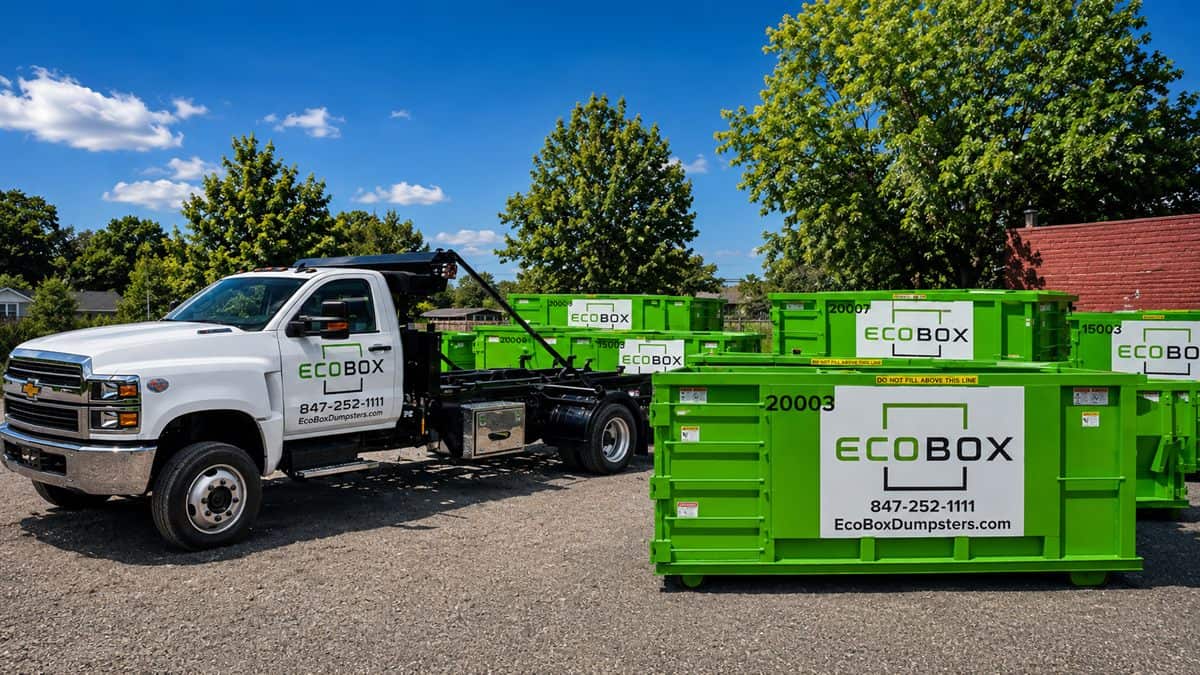
When it comes to waste management, understanding dumpster rental services is crucial for efficient project execution. This comprehensive guide addresses common questions regarding dumpster sizes, pricing structures, and disposal rules, ensuring you have all the necessary information before making a rental decision. Many homeowners and contractors find themselves overwhelmed with improper waste disposal and the potential consequences of ignoring regulations. This article will cover everything from choosing the right dumpster size to understanding the regulations surrounding waste disposal.
What are the common dumpster sizes and capacities available for rental?
Dumpsters come in various sizes to suit different project needs. Common dumpster sizes include 10-yard, 15-yard, and 20-yard options, each designed for specific capacities and types of waste. Knowing the right size is essential to effectively manage your waste without overspending on rental fees. Selecting the correct dumpster size can also minimize the potential for overage charges while ensuring that your project proceeds smoothly.
How do I choose the right dumpster size for my project?
Choosing the right dumpster size involves understanding the unique requirements of your project. Factors to consider include the type of waste you will be disposing of, the volume of material, and the duration of the rental.
Estimating waste volume accurately will help you select the appropriate dumpster size and avoid unnecessary costs.
What are the volume measurements of standard roll-off dumpsters?
Standard roll-off dumpsters vary in volume, with sizes ranging from 10 to 20 yards. The measurements indicate what types of projects each size is suitable for and how much waste they can hold. Understanding these volume specifications can assist in planning your disposal needs effectively, ensuring you achieve a smooth project timeline.
How is dumpster rental pricing structured and what are typical cost ranges?
The pricing for dumpster rentals generally depends on several factors, including the size of the dumpster, the duration of the rental, and your location. Typical costs for various dumpster sizes may vary significantly.
- 10-Yard Dumpster: Starting at $395
- 15-Yard Dumpster: Starting at $445
- 20-Yard Dumpster: Starting at $495
It’s essential to consider not only the base rental fee but also any additional charges that may apply based on extra weight. This detailed understanding of rental pricing enables you to budget effectively for your project.
What is the difference between flat rate and per ton dumpster pricing?
Flat rate pricing offers a single fee that encompasses the entire rental period, minimizing surprises by including delivery, pickup, and a specified weight allowance. In contrast, per ton pricing involves a base rental fee that can escalate based on excess weight. Understanding which model best fits your project’s requirements can lead to cost savings and a clearer financial overview throughout the rental process.
Are there additional fees or deposit requirements I should know about?
Renting a dumpster may come with additional fees that can affect your overall cost. Be aware of:
- Excess Weight Fees: Charges for weight over the amount included in your rental agreement.
- Permit Costs: Fees for acquiring any necessary permits for placing a dumpster on public property.
- Deposit Requirements: Initial deposits required by rental companies, which may be returned after the completion of the rental period if conditions are met.
Being aware of these potential additional costs helps you avoid unexpected expenses during your rental experience.
What types of dumpster rental services are available for construction and home cleanouts?
Across the waste industry you will see several container types. EcoBox rents only the first of them:
- Roll-off dumpsters: What EcoBox rents, in 10-, 15- and 20-yard sizes, delivered to a driveway or job site and collected when you request pickup.
- Front-load dumpsters: Commonly used for commercial properties and emptied by a front-loading garbage truck. EcoBox does not supply these.
- Compactor services: Used by businesses that manage very large volumes of waste. EcoBox does not supply these.
Understanding the criteria for selecting the right type of service can greatly enhance your waste disposal efforts.
What makes construction dumpster rentals different from home cleanout dumpsters?
Construction dumpster rentals differ from those intended for home cleanouts primarily based on sizes, included weight, and pricing structures. Construction projects typically produce heavier debris, and roofing, concrete, dirt or soil, rock, brick and asphalt go in the 10-yard dumpster only. In contrast, home cleanout dumpsters are designed to accommodate lighter household materials, enabling flexibility in choice for residents undergoing personal projects.
How flexible are rental periods and what are the typical rental durations?
Most rental companies offer flexible rental periods, accommodating various project timelines. Every EcoBox rental includes 7 days, and extra days can be added at the current rate. Understanding the flexibility in rental duration ensures that you can manage project timelines without undue pressure for early returns.
What waste disposal regulations and permit requirements should renters know?
Waste disposal regulations can vary significantly by location and type of waste being managed. It is crucial to understand:
- Permit Requirements: Some municipalities require permits for dumpster placement on public roadways or sidewalks, which may involve fees and processing time.
- Local Regulations: Specific local ordinances dictate what materials can be placed in dumpsters and how they should be handled.
Being informed about these regulations helps you avoid potential fines and ensures compliant waste disposal.
Do I need a permit to place a dumpster in my neighborhood?
In many cases, placing a dumpster in a neighborhood does require a permit, particularly if the placement obstructs public pathways or affects traffic. The process for obtaining permits may vary by jurisdiction, so it’s essential to check local regulations before arranging for a dumpster drop-off.
How do regulations vary by location and waste type?
Regulations regarding waste disposal can differ widely based on local laws as well as the types of materials being discarded. For instance, hazardous materials are typically subject to stricter regulations and may require special handling.
Understanding these differences ensures compliance with local laws and safe waste disposal practices.
What happens to the waste after pickup?
What happens to the container after pickup?
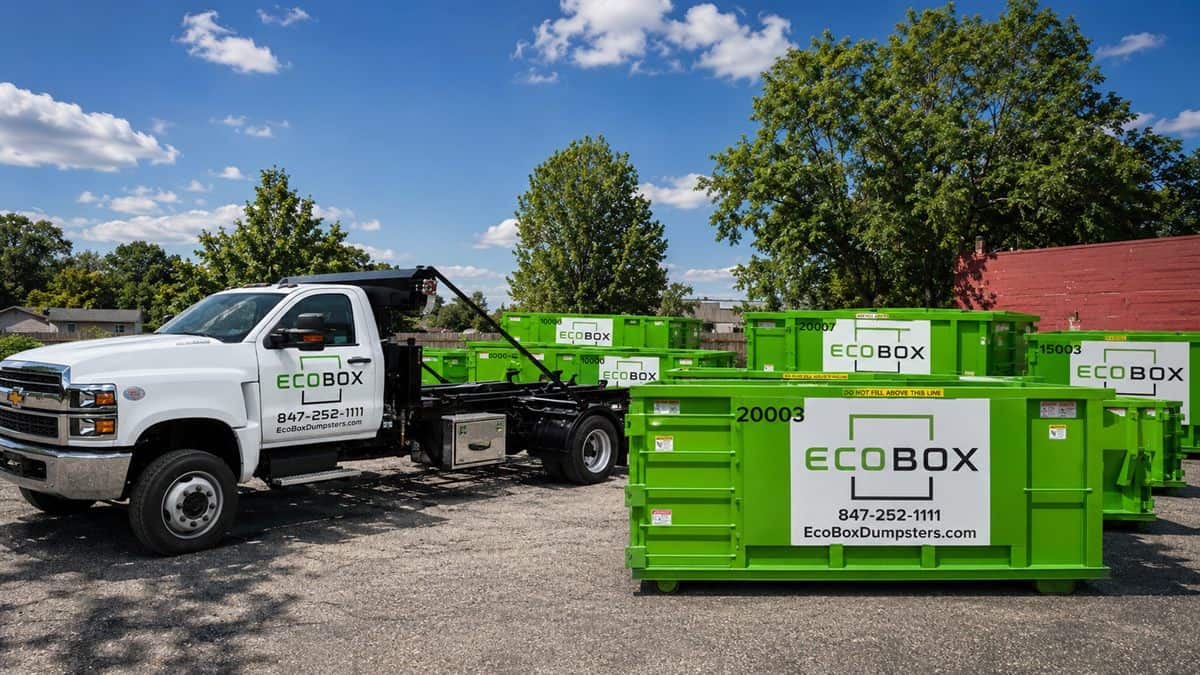
EcoBox hauls the container to a licensed disposal facility. We do not sort the load and we do not publish a recycling or diversion rate. If there is material you would rather keep out of the container, set it aside before the container arrives.
How can customers help with proper waste disposal?
Customers can keep prohibited materials out of the container and ask us before loading anything they are unsure about.
Being proactive about waste disposal contributes to broader environmental preservation efforts.
What materials are accepted or prohibited in dumpster rentals?
Knowing what materials can be placed in rented dumpsters is critical to prevent contamination and potential fines. Accepted materials typically include:
- Household items such as furniture and appliances
- Construction debris like drywall, wood, and metal
- Yard waste such as branches, leaves, and grass clippings
However, certain materials are strictly prohibited, including:
- Hazardous waste (paints, chemicals)
- Electronics (TVs, computers)
- Medical waste (needles, pharmaceuticals)
Familiarizing yourself with these guidelines ensures compliance and increases the efficiency of your waste disposal process.
Which waste types can go into residential versus construction dumpsters?
Residential dumpsters are tailored for household waste, encompassing items commonly discarded during routine cleanouts. In contrast, construction dumpsters are designed to handle heavier materials, such as concrete, metal, and wood debris generated during building or renovation projects.
Understanding these distinctions is crucial for effective waste management and optimizing your rental experience.
What items are strictly prohibited and why?
Certain items are prohibited from being placed in dumpsters due to safety and environmental concerns. Examples include hazardous materials like chemicals and fertilizers that can leach into soil and water supplies, electronics that contain toxic components, and other items that can pose risks to landfill workers. Ensuring compliance with waste regulations helps mitigate the risks associated with improper disposal.
How does the dumpster rental process work from booking to pickup?
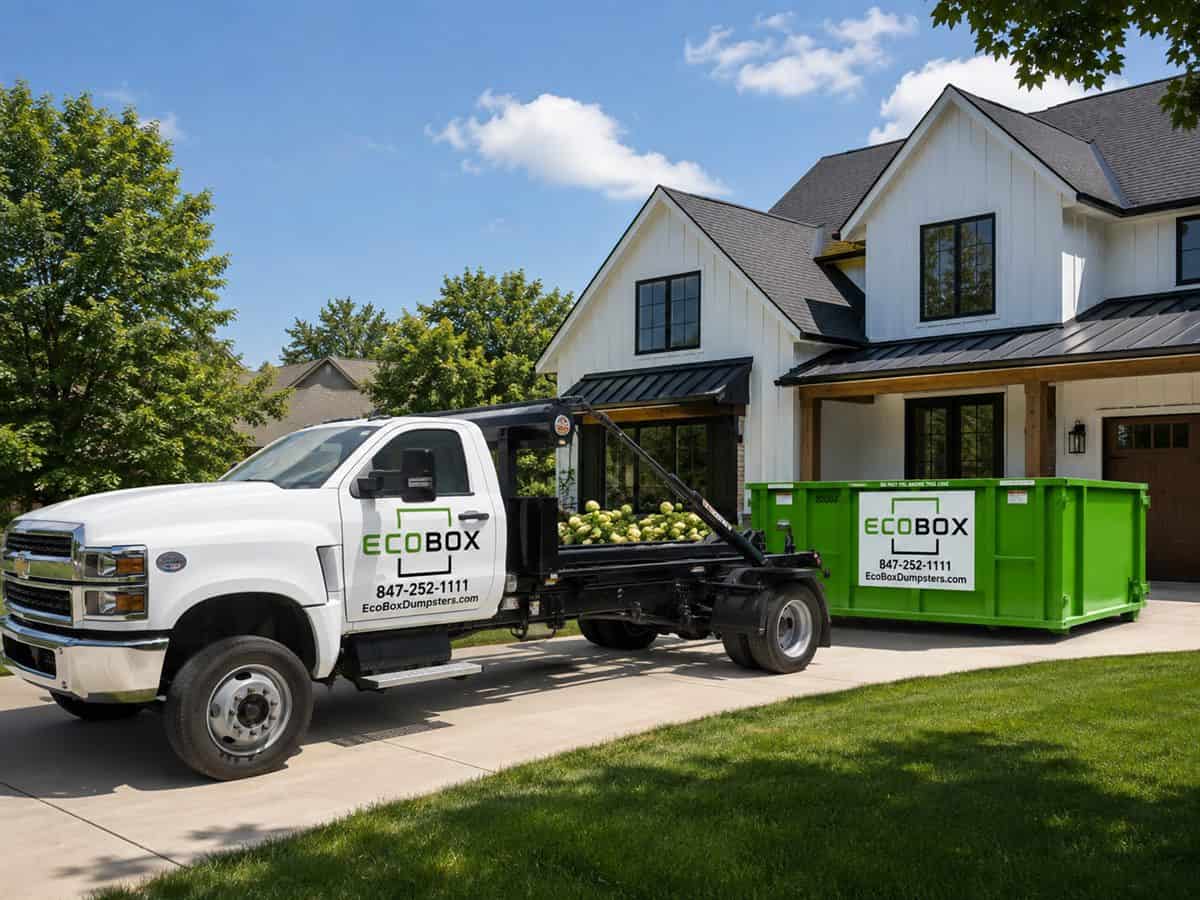
The dumpster rental process involves several clear steps. Customers typically start by assessing their needs, contacting a rental service, and providing details about the project. From there, you can select the appropriate dumpster size based on the discussed specifics. After the booking confirmation, the dumpster is delivered to your designated location, and when you are finished, you request a pickup.
Following these steps ensures a seamless waste management experience, with minimal disruptions to your ongoing projects.
What are the step-by-step procedures for renting a dumpster?
The journey to renting a dumpster involves several critical steps:
- Determine Your Needs: Evaluate the type and volume of waste you expect to collect.
- Contact Rental Services: Reach out to companies to compare options and pricing.
- Select Your Dumpster: Choose the dumpster size that aligns with your project requirements.
- Schedule Delivery: Finalize arrangements for the dumpster drop-off.
- Prepare for Pickup: Ensure the dumpster is filled correctly and ready for pickup at the end of the rental period.
These steps create a structured approach to renting a dumpster, allowing you to stay organized throughout your project.
What should I expect during delivery and pickup?
During the delivery of the dumpster, you can expect the rental service to provide a specific time window for drop-off. The driver will position the dumpster in the agreed-upon location, ensuring that it is accessible for filling yet compliant with any local regulations.
For the pickup process, the rental company will contact you to schedule the pickup after your rental period ends. They will ensure the dumpster is emptied safely without causing disruptions to the surrounding area.
What are the best practices for optimizing dumpster rental costs and eco benefits?
To optimize dumpster rental costs and enhance eco benefits:
- Estimate Waste Volume Accurately: Understand your project needs to avoid unnecessary oversizing.
- Consider Recycling Options: Clean, separated materials such as scrap metal or cardboard can sometimes go to a local recycler instead of the dumpster.
- Keep the Dumpster Organized: Separate recyclables and avoid mixing materials to streamline disposal processes.
Implementing these strategies can save money on your waste disposal.
How to plan waste volume accurately to avoid overpaying?
Estimating waste volume accurately involves conducting a thorough assessment of your project. Here are a few tips to optimize planning:
- Measure Waste: Use equivalent metrics such as truckloads or cubic feet to gauge how much waste you’ll generate.
- Account for Unexpected Waste: Factor in additional materials that may arise during the project to ensure flexibility.
- Consult Experts: Reach out to rental services that can provide guidance based on your project specifics.
Taking these steps can prevent over-sizing your dumpster rental, thereby avoiding excessive costs and wastage.
Tips for loading efficiently and staying within your weight allowance
To contribute positively to recycling efforts while minimizing landfill use:
- Sort Recyclables: Separate out recyclable materials to direct them to proper facilities.
- Educate Others: Encourage your team or family members to participate actively in sorting and responsible waste management.
Implementing these practices can make a significant impact on reducing overall waste and fostering environmental sustainability.
Related reading
- How Much Does a Dumpster Rental Usually Cost?
- Budget-Stretching Cleanup: Choosing an Affordable Dumpster Rental
- How to Avoid Dumpster Overage Fees
More on this: what the price covers, current pricing, find the right size, or talk to us about your project.
More on this: construction dumpster rental, commercial dumpster rental, residential dumpster rental.