
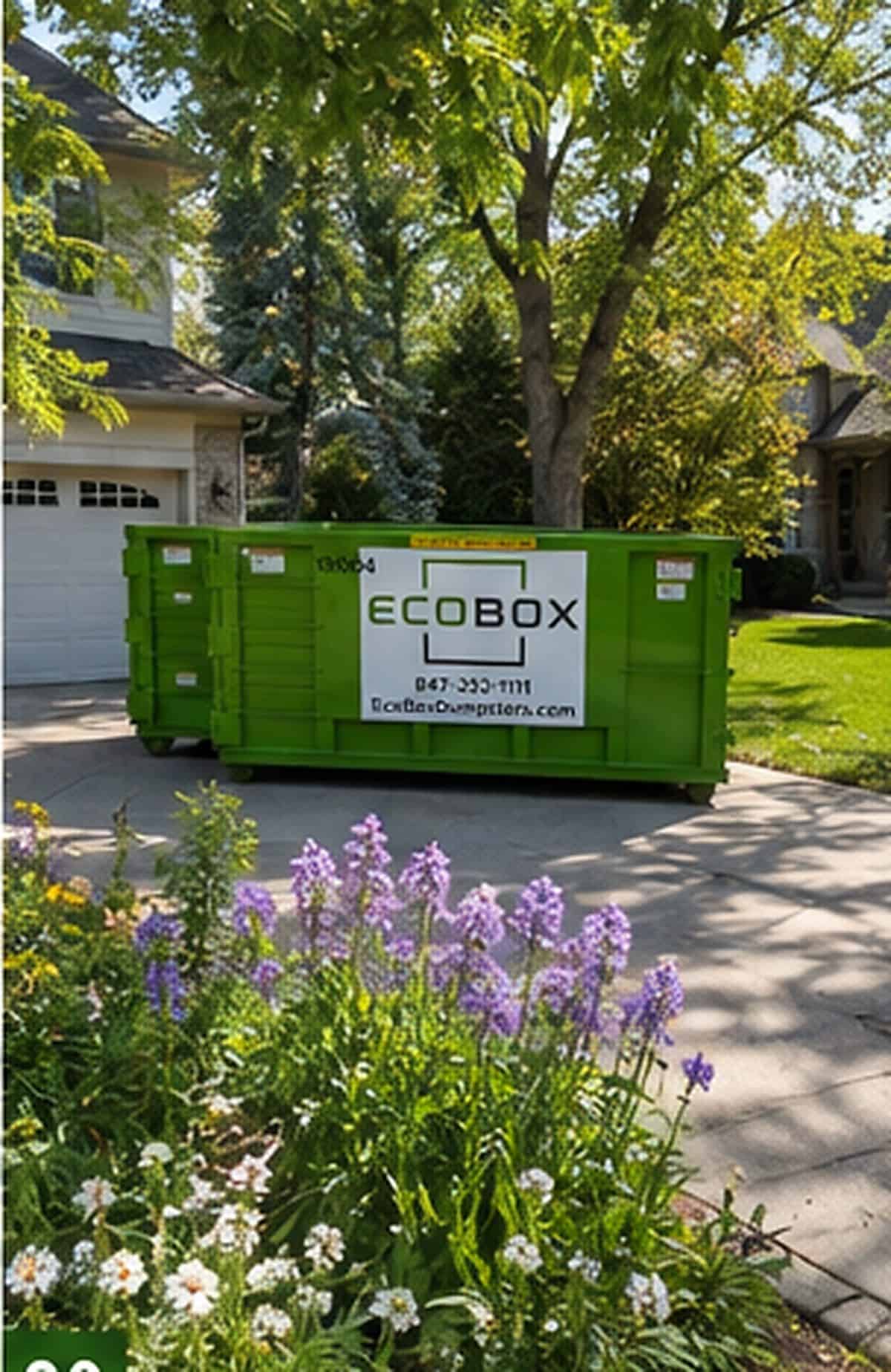
Every cleanup project has a choice baked into it. You can send everything straight to the landfill, or you can slow down a bit and keep a lot of that material in use through recycling and reuse.
Here in North Chicago and across Northeastern Illinois, late winter and early spring are busy times for decluttering. Garages get cleared, basements get sorted, and job sites start gearing up for warmer weather work. When you plan ahead, you turn that seasonal push into a chance to cut waste instead of adding to it.
With flexible rental periods, it is easier to sort, recycle, and toss only what truly needs to go. The goal is simple: load your dumpster in a smarter way.
Cutting waste is not a one-time decision. It is a set of habits that you build into your cleanup or project.
At its core, it means you are:
Those habits start with what you do on your driveway, job site, or behind your business.
Common projects around North Chicago and Northeastern Illinois where your loading habits really matter include:
On all of these, simple steps like keeping cardboard clean and dry or separating metal from trash can make recycling much easier later on.
The best dumpster projects do not start at the dumpster. They start inside, where you sort what you own before it ever hits the container.
A simple way to do this is to set up four zones:
As you go room by room, place items into these piles. The “toss” pile should be your last resort, not your first. Try to shrink it by asking yourself what could be useful to someone else or what could be recycled if you separated it.
For smoother recycling, group materials like this:
Late winter and early spring cleanouts often bring a few special items:
Planning around these materials before you rent your dumpster makes the whole project smoother.
How you load your dumpster affects your budget. A well-loaded dumpster lets you use a smaller container and fewer trips.
Use these basic loading tips:
Breaking down furniture by removing legs, arms, and cushions takes up far less space. Bundling similar materials, such as tying lumber together, makes the load tighter.
Placement matters too. Dumpsters should sit where:
A bit of planning on placement and access helps keep your project moving without unplanned swaps or additional hauls.
Every dumpster rental starts with picking the right size container. Ordering one that is too big means empty air gets hauled back and forth. Ordering one that is too small can mean multiple trips, which adds cost and time.
In general:
Flexible rental periods also help. When you are not rushed, you have time to:
That slower, more thoughtful pace usually means less waste in the end.
Some materials should never go into a standard dumpster, both for safety and environmental reasons. In Illinois, many common items from homes and job sites need special handling.
These often include:
Putting these items into your dumpster can cause issues at disposal facilities. Instead, it is a good idea to check local recycling and household hazardous waste programs in Northeastern Illinois to see how they should be handled.
During any cleanup or renovation, set up a “do not toss” corner for these materials. Keep them out of the dumpster, then plan a separate trip to a drop-off location that accepts them. This one habit alone can keep harmful materials out of the landfill.
A good dumpster rental is really a set of simple habits that stack up: planning ahead, sorting what you own, loading the dumpster with care, choosing the right size, and keeping special items out. When you put these pieces together, a standard cleanup often runs smoother.
At EcoBox Dumpsters, we focus on compact roll-off containers, clear service, and flexible rental periods so you are not rushed. For your next late winter cleanout, office refresh, or small construction job, try adding just one new habit, like setting up sorting zones or breaking everything down before you load it. Once that feels normal, add another.
Tackle your next home project with less hassle by choosing our dumpster rental. At EcoBox Dumpsters, we provide the right size container and clear pricing so you can focus on the work that matters. If you have questions about sizing, timing, or pricing, simply contact us and we will help you schedule the perfect dumpster for your needs.
More on this: what we take, current pricing, or talk to us about your project.
More on this: construction dumpster rental, commercial dumpster rental, request a pickup, swap or extension.