Choosing the Right Dumpster Size: Key Factors for Your North Chicago Project
Choosing the Right Dumpster Size for Your North Chicago Project: Complete Guide to Accurate Estimation and Affordable Rental Rates
By Linda Ceja, EcoBox Dumpsters
Selecting the appropriate dumpster size for your project in North Chicago can significantly impact the efficiency and cost-effectiveness of waste management. With numerous sizes available, understanding the specific requirements of your project will help you make an informed choice that meets both your needs and budget. This comprehensive guide will explore the estimation methods, key factors influencing size requirements, and provide insights into dumpster rental rates. By the end of this article, you will be equipped with the knowledge needed to accurately assess and select the right dumpster size for your construction or cleanout projects. We will also highlight tips for finding affordable rental rates and essential local regulations to consider throughout the rental process.
Estimation Methods
To accurately determine the right dumpster size for your project, several estimation methods can be employed. The first step is to assess the scope of your project to estimate the volume of debris generated. Evaluating the type of materials you’ll be disposing of, whether they are construction debris or household waste, is crucial. Consulting local experts who understand the regional requirements can also provide valuable insights into dumpster sizes that are frequently utilized. These methods are vital in ensuring that you do not overestimate or underestimate your needs, which could lead to unnecessary costs or project delays.
Key Factors Influencing Size Requirements
When choosing a dumpster, several key factors come into play that can influence size requirements. It’s essential to consider the type of waste you will be handling, as the dimensions of certain materials may necessitate larger dumpsters. Space constraints on your property can also be a determining factor; if you have limited room for placement, you may need to select a smaller size. Additionally, weight restrictions associated with specific dumpster sizes can impact your choice. Understanding these factors will streamline your selection process, ensuring you secure a dumpster that aligns with both your project needs and logistical limitations.
Overview of Dumpster Sizes
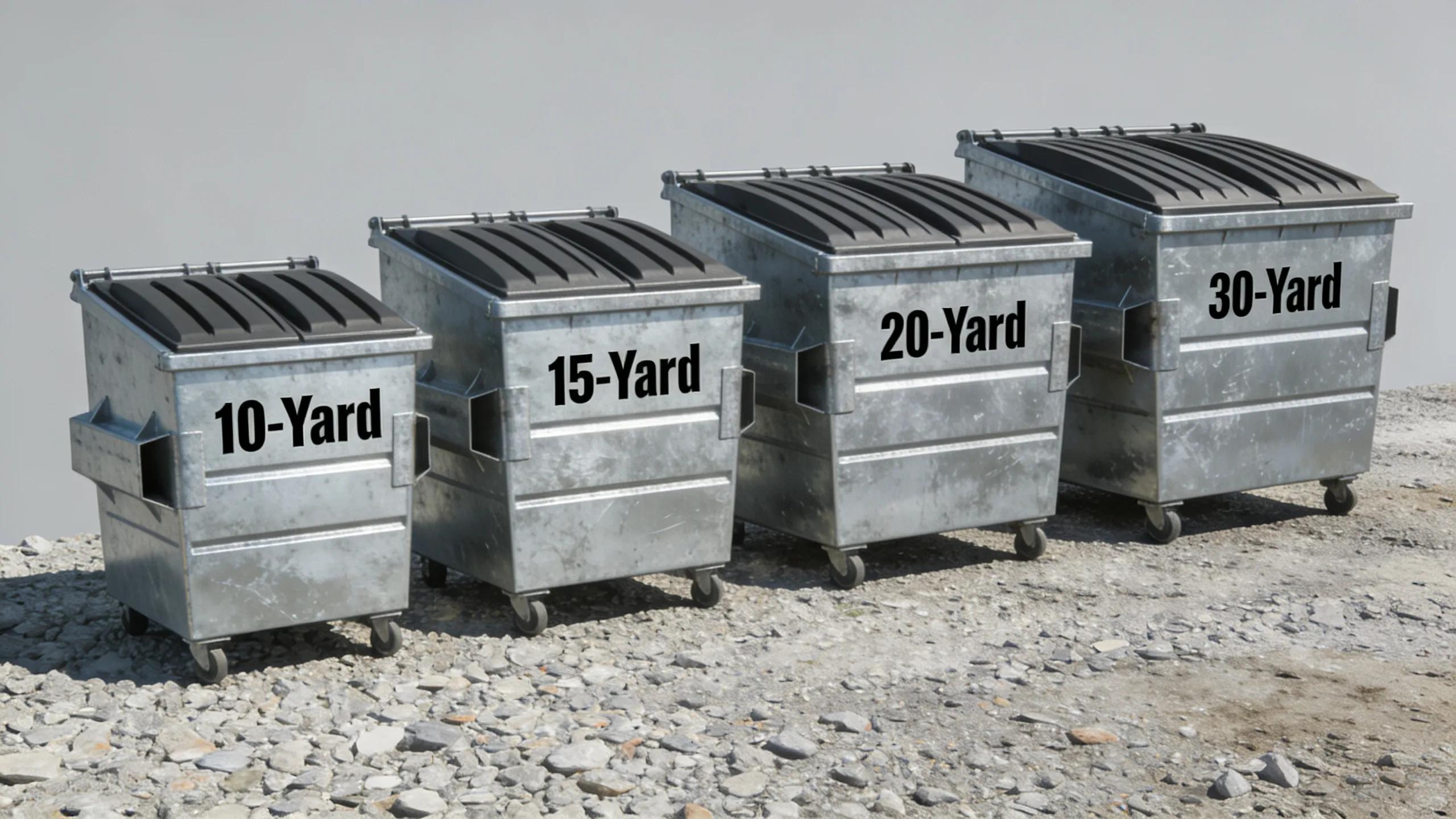
There are several standard dumpster sizes available for rental, each tailored for various project types and waste volumes. Below is a brief overview:
| Dumpster Size | Capacity | Typical Uses |
|---|---|---|
| 10-Yard | Approximately 3 pickup truck loads | Small renovations or cleanouts, landscaping projects |
| 15-Yard | About 4.5 pickup truck loads | Mid-sized projects like home remodeling |
| 20-Yard | Roughly 6 pickup truck loads | Major renovations and large clean-outs |
This table outlines the capacities and uses associated with common dumpster sizes, aiding your selection process.
Tips for Finding Affordable Rental Rates
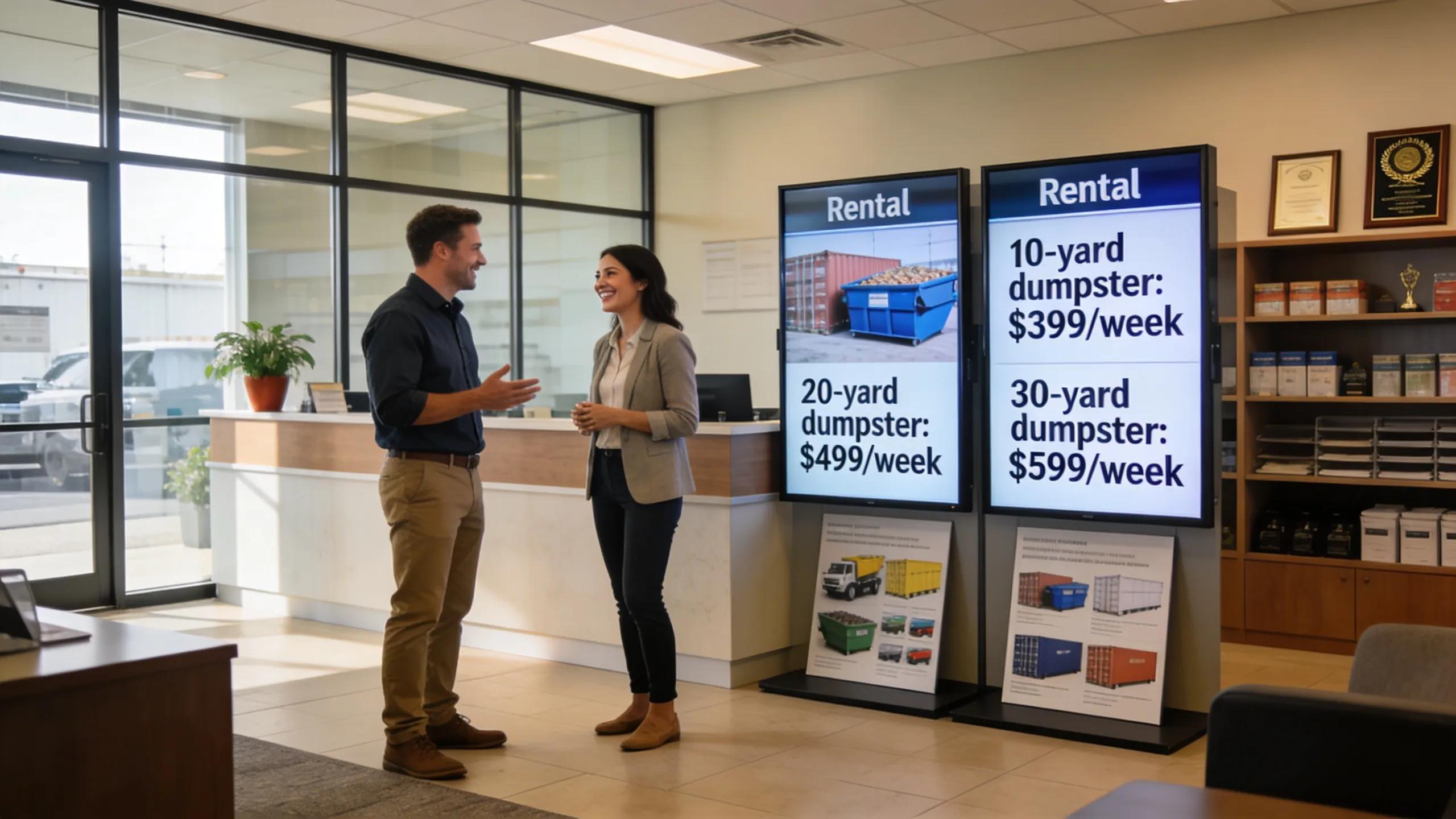
Finding a dumpster rental at an affordable price can alleviate some financial strain during your project. Here are some tips to ensure you secure competitive rates:
- Compare Pricing: Gather quotes from multiple rental companies to compare transparent pricing structures.
- Look for Inclusive Services: Ensure the rental price includes delivery, pickup, and any required permits to avoid hidden fees.
- Plan Ahead: Booking your dumpster in advance can help you obtain better rates, especially during peak seasons.
Understanding these pricing strategies will empower you to make a more informed choice when renting a dumpster.
How Do I Determine the Best Dumpster Size for Construction or Cleanout Projects in North Chicago?
Determining the best dumpster size requires a thorough assessment of your project’s waste type and overall scale. Begin by identifying the materials to be discarded and estimating their total volume. Consulting with local experts can provide further guidance and ensure you select a size that meets regulatory standards in North Chicago. Also, evaluating the anticipated volume to be disposed of is crucial. This approach will not only keep your project within budget but also help you avoid the pitfalls of ordering too much or too little capacity.
What Are the Common Dumpster Sizes and Their Capacities?
Common dumpster sizes, along with their capacities, are essential for understanding what fits your project. Here’s a detailed breakdown:
| Dumpster Size | Capacity | Recommended Usage |
|---|---|---|
| 10-Yard | Approximately 3 pickup truck loads | Small cleanouts and minor renovations |
| 15-Yard | About 4.5 pickup truck loads | Medium-sized home renovations and substantial cleanouts |
| 20-Yard | Roughly 6 pickup truck loads | Large cleanouts or commercial waste |
This table gives you a clearer understanding of the common dumpster sizes and their typical applications, helping you make an informed decision.
Which Dumpster Types Suit Different Project Needs?
Different types of dumpsters cater to various project needs. Understanding these options can optimize your choice:
- Open-Top Dumpsters: Ideal for large volumes of bulky items like furniture, construction debris, and large renovation waste. They allow easy loading from above but may require more space.
- Closed-Top Dumpsters: Suitable for projects involving hazardous waste or when weather protection is essential. They prevent rain from accumulating inside and reducing waste volume.
Choosing the right type based on your project characteristics will enhance efficiency during waste disposal.
What Factors Affect Dumpster Rental Rates in North Chicago?
Several factors influence dumpster rental rates in North Chicago, including:
- Location: Prices may vary based on your proximity to disposal facilities and local regulations.
- Size and Weight Limits: Larger dumpsters typically come at a higher cost, especially if they exceed weight limits, leading to additional fees.
- Seasonal Demand: Rates can fluctuate depending on demand during specific times of the year, especially in spring and summer when construction projects peak.
Understanding these factors will help you navigate the rental landscape and budget more effectively.
How Does Rental Duration Influence Pricing?
The rental duration plays a pivotal role in determining the overall cost of your dumpster. Typically, rental companies set standard pricing for specific duration periods, such as a week. However, if your project requires an extended rental, you may incur additional fees. Planning your rental duration to align with project timelines can optimize costs. Specifying your needs clearly during the booking process will aid in mitigating any unexpected expenses.
What Local Costs and Fees Should I Expect?
Local costs and fees associated with renting dumpsters in North Chicago include base prices for each dumpster size, understanding potential weight limit penalties, and disposal fees charged by local facilities. Here’s a general overview of starting prices:
| Dumpster Size | Starting Price |
|---|---|
| 10-Yard | $395 |
| 15-Yard | $445 |
| 20-Yard | $495 |
Being aware of these costs can help you plan your budget effectively and avoid surprises later on.
How Can I Accurately Estimate Dumpster Capacity for My Project’s Waste?
Accurately estimating dumpster capacity involves evaluating your project’s specific waste requirements. Begin by calculating the total volume of waste produced, considering the dimensions and material types. Gathering data on the weight and quantity of materials will further refine your estimate. Consulting with local dumpster rental services can also provide insights into common practices in your area, ensuring that your dumpster size aligns with project needs.
What Are Effective Methods to Calculate Waste Volume?
Calculating your waste volume can be achieved through several effective methods:
- Volume Measurement: Using cubic feet or yards to measure the total area of waste materials you plan to dispose of.
- Estimate Load Numbers: Counting the number of loads that relate to your project size. For instance, knowing that a standard pickup truck can carry around 2 cubic yards can help translate material amounts into necessary dumpster sizes.
- Consult Local Experts: Engaging professionals who understand regional practices can lead to a more accurate approximation.
These strategies collectively contribute to a more effective estimation process.
Which Types of Waste Are Permitted or Restricted in North Chicago Dumpsters?
Identifying what waste types are permitted or restricted is critical for compliance with local regulations. Generally acceptable materials include:
- Construction Debris: Wood, metals, drywall, and other debris from renovations.
- Yard Waste: Grass clippings, branches, and leaves are typically allowed.
- Household Junk: Old appliances and furniture can often be disposed of without issue.
Conversely, hazardous materials such as paints, chemicals, and car batteries are strictly prohibited and must be handled through specialized disposal services. Understanding these regulations ensures compliance and prevents unnecessary fines.
What Local Regulations and Waste Disposal Tips Should I Know for North Chicago Dumpster Rentals?
Familiarizing yourself with local regulations surrounding dumpster rentals is essential to avoid penalties. These may include:
- Permit Requirements: Depending on where you place the dumpster, you may need a city permit, particularly if it obstructs public roads or sidewalks.
- Prohibited Disposal Items: Certain materials, particularly hazardous waste, cannot be placed in dumpsters. Always check local guidelines to understand restrictions.
- Weight Restrictions: Many configurations will have weight limits, and exceeding these can lead to additional charges.
Staying informed will facilitate a smoother rental process and help you avoid costly fines.
Which City Permits Are Required for Dumpster Placement?
When placing a dumpster in North Chicago, you should check for local permit requirements. Typically, permits are necessary if the dumpster is located on public property or if it impedes vehicle or pedestrian traffic. Municipal regulations will dictate the process for obtaining a permit, which often includes submitting an application, paying a small fee, and adhering to placement guidelines. Contacting the local city office can clarify specific requirements and streamline the permitting process.
How Do Environmental Guidelines Impact Dumpster Use?
Engagement with environmental guidelines affects how you manage waste disposal. Various local regulations promote recycling and proper waste management. These practices may mandate the separation of recyclable materials from general waste, leading to better environmental outcomes. Following established guidelines not only ensures compliance but also contributes positively to community efforts for sustainable waste management. Companies emphasizing recycling may provide options for separating materials, simplifying adherence to ecological standards.
What Is the Step-by-Step Process to Book an Affordable Dumpster Rental in North Chicago?
Navigating the rental process for a dumpster can be straightforward with a methodical approach. Here’s a clear breakdown:
- Identify Your Needs: Assess the size and type of dumpster required based on your project.
- Research Local Rental Services: Explore multiple providers to compare prices and services.
- Arrange Delivery and Pickup: Coordinate your rental dates to ensure timely delivery and collection, allowing for project continuity.
By following this process, you can simplify your booking experience and secure an affordable rental.
How Do I Choose a Local Dumpster Rental Service?
Selecting a reliable local dumpster rental service is crucial for project success. Begin by considering multiple providers in North Chicago, evaluating their pricing structures and the range of services offered. Customer reviews can provide insight into the quality of service you can expect. Additionally, assessing the providers’ local expertise and reputation will help ensure you partner with a company that understands your specific needs and regulatory requirements.
What Are the Key Booking and Scheduling Considerations?
Several key considerations should guide your booking and scheduling process. It’s essential to assess the timing for delivery, ensuring it aligns smoothly with your project schedule. Understanding the rental terms is equally critical; clarify the rental duration, potential late fees, and policies on weight restrictions. Lastly, scheduling for project completion allows you to arrange timely pickup and avoids unnecessary costs related to extended rental periods.
What Are Frequently Asked Questions About Dumpster Size Selection and Rental in North Chicago?
Addressing common inquiries can clarify many uncertainties surrounding dumpster rentals:
- What size do I need for my project? Typically, it depends on the volume and type of waste generated.
- How long can I keep the dumpster? Duration can vary based on company policies, but standard rentals are for one week.
- Can I place a dumpster on the street? You often need a permit for street placement; check local regulations for the specifics.
These questions help demystify the process and prepare you for a hassle-free rental experience.
How Can I Avoid Overpaying by Choosing the Wrong Dumpster Size?
To prevent overpayment, begin by accurately assessing your project scope and waste volume. It’s essential to understand the capacity needs of the materials you’ll be disposing of. Consulting with local rental providers can yield insights into the most commonly used sizes for similar projects, allowing you to make an informed decision without unnecessary costs. Proper planning and expert advice can effectively circumvent the pitfalls associated with incorrect sizing.
Are There Alternatives to Traditional Dumpster Rentals for Small Projects?
For smaller projects, alternative waste solutions can provide efficient and cost-effective choices. Consider options such as bagged waste removal, which entails purchasing specialized bags that are collected directly by waste services. Local community resources or drop-off centers can also be viable solutions for minor renovations or cleanouts. These alternatives streamline the disposal process while still allowing for responsible waste management without incurring the costs associated with larger dumpster rentals.