
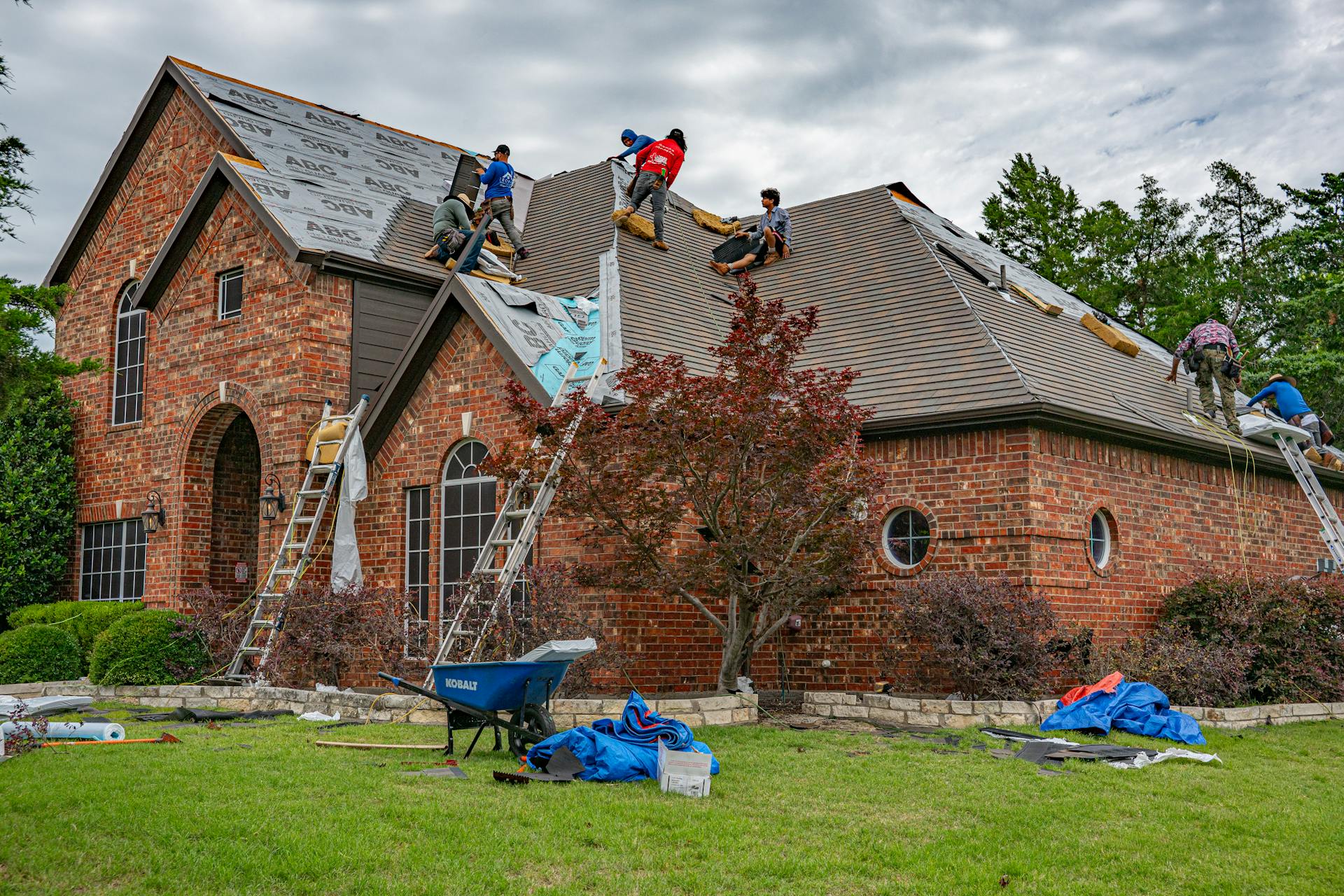
Roof tear-off projects create a lot of debris in a short amount of time. In Illinois, that debris is not treated like regular household trash. Landfills, haulers, and local governments all have rules that cover roofing waste, worker safety, and environmental protection. If the wrong materials end up in your roofing dumpster rental, you can face delays, extra fees, or even fines.
Whether you are a homeowner, landlord, or small roofing contractor, it helps to know what can and cannot go into a roofing dumpster before the first shingle comes off. Summer is a busy roofing season in Northeastern Illinois, and dumpsters can book up fast. A little planning keeps your project moving and keeps everyone on the right side of state and local rules.
Roof tear-offs are messy, loud, and fast. Old shingles, nails, and underlayment start flying, and it is easy to toss everything into the dumpster without thinking. The problem is that not every roofing material is treated the same under Illinois disposal rules.
Illinois landfills limit what they will accept, especially when it comes to older materials that may contain asbestos, lead, or certain chemicals. Haulers have to follow those rules, which means your roofing dumpster rental has to stay within them too. When a load is rejected at a facility, it can come back to you as a big headache.
To stay compliant, it helps to:
When you plan ahead, you keep your crew working, your property cleaner, and your project on schedule.
Most of what comes off a typical asphalt shingle roof is considered standard roofing debris and can go into a dedicated roofing dumpster. That usually includes:
These materials are expected in a roofing dumpster, but they are heavy. Shingles and underlayment add up fast, especially on larger roofs. Weight matters because dumpsters are limited by how much they can legally carry on local roads.
When sizing a roofing dumpster, think about:
Mixed debris is sometimes allowed in a roofing dumpster, but only in limited amounts. Small quantities of wood sheathing, trim, or gutter material might be acceptable. If you plan to remove large sections of decking, siding, or other construction debris along with the roof, you may need a different type of container or a separate load so that everything is handled correctly.
Most asphalt shingles from typical residential roofs in Northeastern Illinois can go straight into a roofing dumpster rental. Depending on local options, loads may go directly to a landfill or to a facility that recycles shingles into other products. That routing is usually handled on the back end, but it still depends on the load being clean and limited to roofing materials.
Here is how common roofing items are usually handled:
Nails and other fasteners are an unavoidable part of any roof tear-off. They can go into the roofing dumpster along with the shingles, but you do not want them ending up in your lawn or driveway. Driveway-safe containers, careful placement, and smart loading go a long way toward keeping nails contained. It also helps to:
Not all roofing materials are allowed in a standard roofing dumpster in Illinois. Some items fall under special handling or hazardous waste rules. Common problem materials include:
Older homes may also have materials that raise safety questions. Vermiculite insulation, for example, can sometimes be linked to asbestos. Lead-based paint may be present on older trim, flashing, or metal details around chimneys and dormers. Rotted or mold-infested decking might need to be handled differently, depending on the condition and local disposal rules.
This is why it is important to share details about your roof when scheduling your dumpster. Helpful details include:
With that information, the right type of container and disposal plan can be lined up from the start.
In North Chicago and nearby Northeastern Illinois communities, local rules can change from one town to the next. Some cities require a permit if a dumpster is placed in the street. Others may have time limits on how long a container can sit in one spot.
Before your roofing dumpster rental arrives, it is smart to:
Homeowner associations often have their own rules. These may include driveway-only placement, limits on how long a container can be visible, or guidelines about keeping common areas clean. A driveway-safe dumpster helps protect your pavement and keeps the front of the home looking better while the work is going on, which many neighbors appreciate.
Dumpster providers that work in the area regularly can usually guide you on the basic questions and point you toward the right local office for permits.
How you load the dumpster matters for safety, cost, and the environment. Good loading habits help make sure the container can be hauled safely and, when possible, that roofing debris is a good candidate for recycling.
Simple best practices include:
You should also keep obviously prohibited items out of the roofing dumpster from the start. Set up a separate area or bin for things like:
Nail and debris control is especially important when the weather is warm and people are outside more. To keep your yard and driveway safer:
Roof work moves fast once it starts, which is why the dumpster should already be in place before the crew begins. During busy late spring and summer months in Illinois, roofing dumpsters often need to be reserved in advance so they are ready right when you need them.
Working with an eco-conscious, driveway-safe provider gives you clear guidelines on what can go in the container, help avoid prohibited materials, and options that support recycling where available. At EcoBox Dumpsters, we focus on making roof tear-off debris disposal straightforward and compliant for homes, rental properties, and small commercial jobs across Northeastern Illinois.
Make your roofing cleanup simpler and safer by letting EcoBox Dumpsters handle the debris. Schedule your roofing dumpster rental with us and get the right size dumpster delivered on time, right where you need it. If you have questions about sizing, timing, or pricing, just contact us and we will walk you through every step.